




Shipping + Delivery

Easy Returns
Not satisfied? Return items within 30 days. Learn More

Design Concierge
Need help designing your space? Learn more about our complimentary interior design services

Authenticity Guaranteed
This is an original, authenticated product.
Warranty
5-year warranty
Terms and conditions apply. Learn more

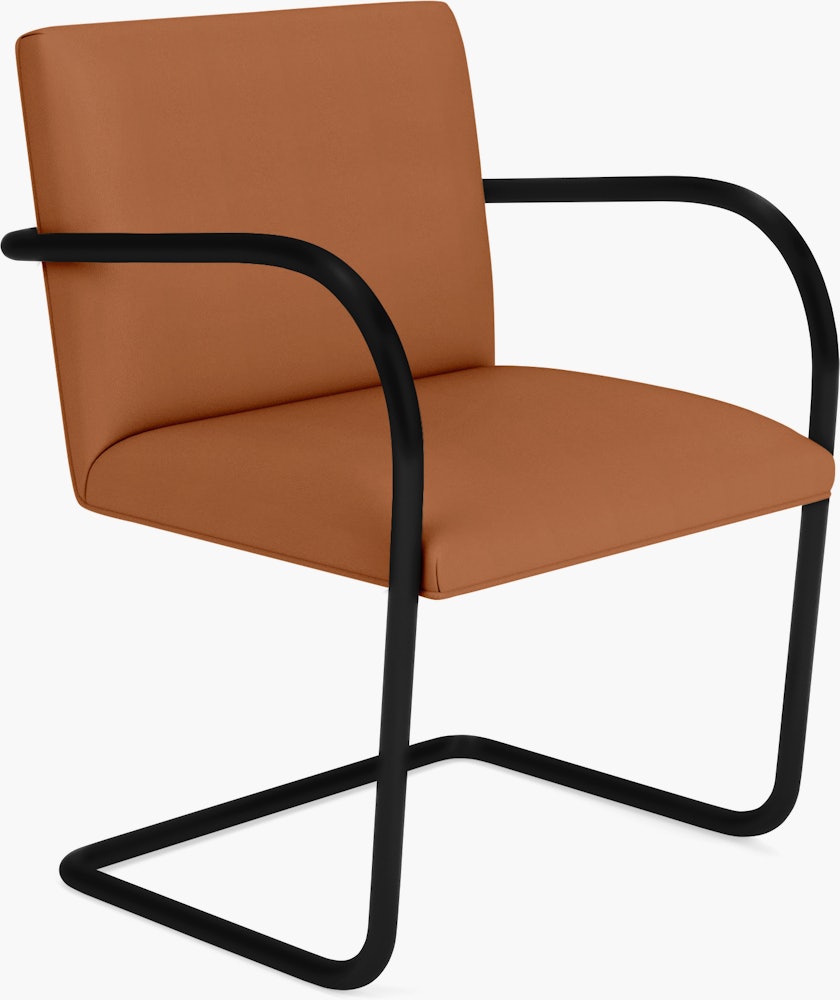
Brno Tubular Chair
Details
- One of the first cantilevered chair designs to be produced.
- Stamped with the KnollStudio logo and the designer’s signature.
- Made in Italy.
- Measure for a perfect fit with our delivery guide: https://www.dwr.com/furniture-delivery-guide.html
- Brand
- Knoll®
- Collection
- Brno Collection
- General Dimensions
-
- 31½" H 22¾" W 22½" D
- Product Weight
- 24 lbs
- Assembly
- Comes fully assembled
- Warranty
-
5-year warranty
Terms and conditions apply. Learn more

Brno Tubular Chair
- Height (in): 31½
- Width (in): 22¾
- Depth (in): 22½
- Seat Height (in): 17¼
- Arm Height (in): 25¾
- Weight (lbs): 24
- 11-gauge chrome-plated or powder-coated steel frame
- Inner hardwood frame
- Variable-density foam
- Dymetrol® seat suspension
- Full-grain semi-aniline Spinneybeck® leather
- Plastic floor glides
- Notification of Filling Contents
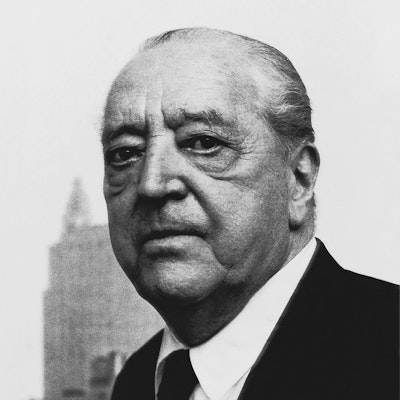
Ludwig Mies van der Rohe
The modern city, with its towers of glass and steel, can be at least in part attributed to the influence of architect Ludwig Mies van der Rohe. Equally significant, if smaller in scale, is Mies’ daring design of furniture, pieces that exhibit an unerring sense of proportion as well as minimalist forms and exquisitely refined details. In fact, his chairs have been called architecture in miniature.
More on Ludwig Mies van der Rohe