3.3 out of 5 Customer Rating
Item No.
384315
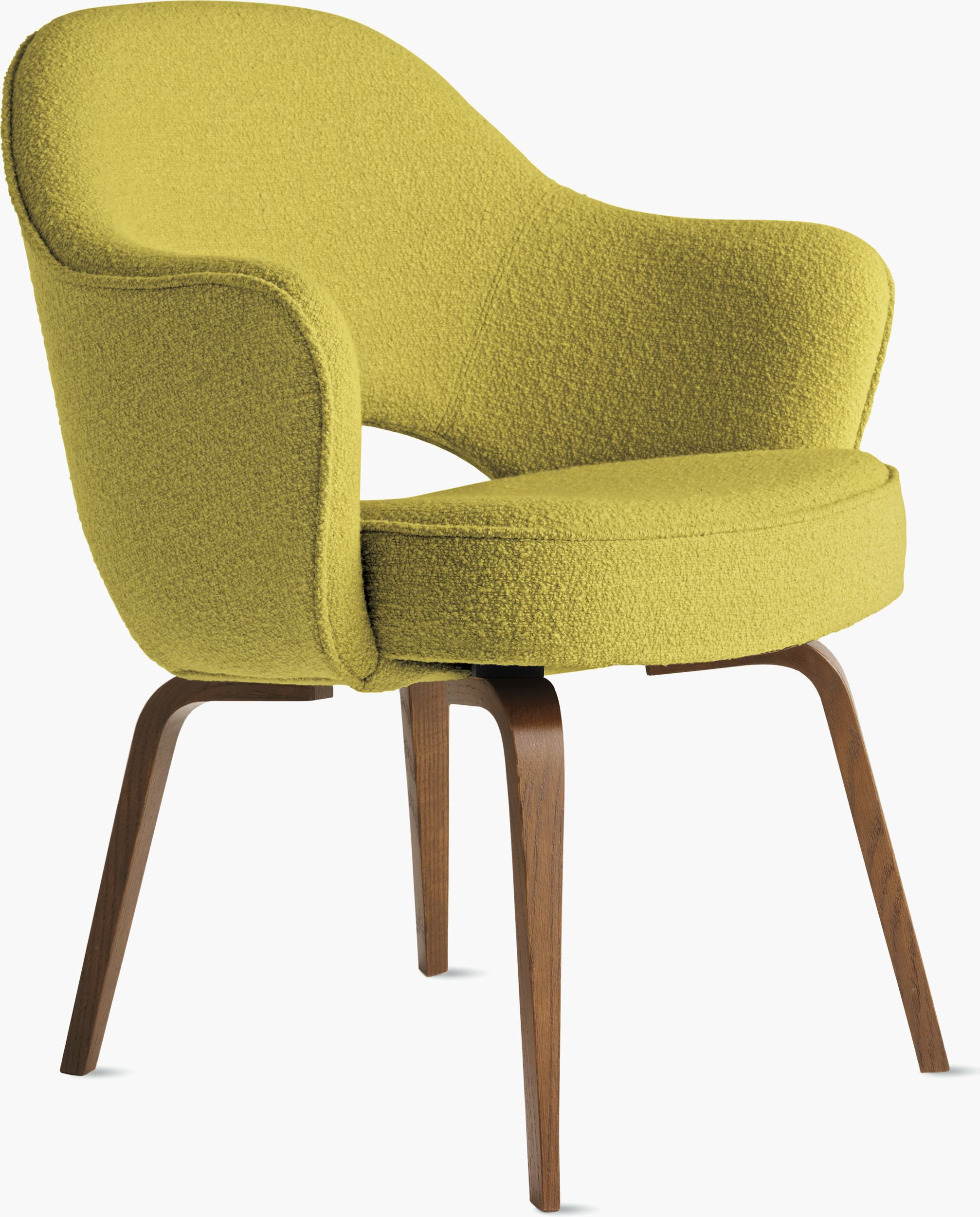
Saarinen Executive Armchair
$2,596.00


3.3 out of 5 Customer Rating
Item No.
384315
Saarinen Executive Armchair
$2,596.00
Cato
Brown
Fire Red
Gray
Green
Ivory
Natural
Orange
Sand
Yellow
Classic Boucle
Aegean
Black Iris
Chartreuse
Crimson
Flax
Neutral
Onyx
Pearl
Pumpernickel
Smoke
Hourglass
Caviar
Latte
Mocha
Sandbar
Knoll Velvet
Aviator
Ebony
Espresso
Graphite
Marina
Palomino
Penny
Sage
Silver
Swan
Teal
Tomato
Wine
Rivington
Aubergine
Bittersweet
Dragon
Orchard
Palm
Paprika
Parchment
Sapphire
Scarlet
Spruce
Sunflower
Ash Grey
Tempest
Aurora
Calm
Midnight
Mist
Ultrasuede
Alpine
Black Onyx
Cement
Chamois
Charcoal
Citron
Coffee Bean
Crystal
Elephant
Fawn
Flannel
Indigo
Lavender
Lime
Mica
Midnight
Mink
Pebble
Plum
Silver
Steel Blue
Stone
Wood
Tapioca
Tamarind
Dark Navy
Chinchilla
Deep French Grey
Tea Rose
Tinted Gold
Berry Rose
Hide
Volo Leather
Black
Cadet
Casablanca
Chocolate
Clay
Coffee Bean
Constantinople
Flint
Garnet
Ivory
Lichen
Mink
Ojai
Papyrus
Parchment
Russet
Tan
Teal
Toast
Tobacco
White
Ocean Deep
Diva
Coal
Green Tea
Lagoon
Moon
Platinum
Starlet
Wallflower
Rebel
Lava Rock
Lavender
Tourmaline
Turquoise
Wow Factor
Sunset
Moonbeam
Holiday
Tea Leaf
Heaven
Excursion
Topos
Cliff
Dolphin
Papyrus
Fresco
Lowland
Prestini
Black / White
Yellow / White
Copper / White
Beige / White
Purple / White
Gray / White
Request free swatches
Arrives in 4-7 business days
Ebonized Walnut
Metal
Oak
Walnut
In Stock
- Greenguard Indoor Air Quality Certified for its use of low-emitting products.
- Bent wood or tubular steel legs.
- Fabric or leather upholstery.
- 31½" H 26" W 24¾" D
Shipping Options
- In-Home Delivery
Return Options
Not satisfied with your purchase? We'll work with you to make it right. Contact us within three (3) days of your order’s delivery. Learn more.
5-year warranty (terms and conditions may vary)
Designed by Eero Saarinen for Knoll®
Manufacturer SKU:
Saarinen Executive Armchair
Saarinen Executive Armchair
$2,596.00
You May Also Need
Item Number:100193331
Available to ship in:
Gallery
Details
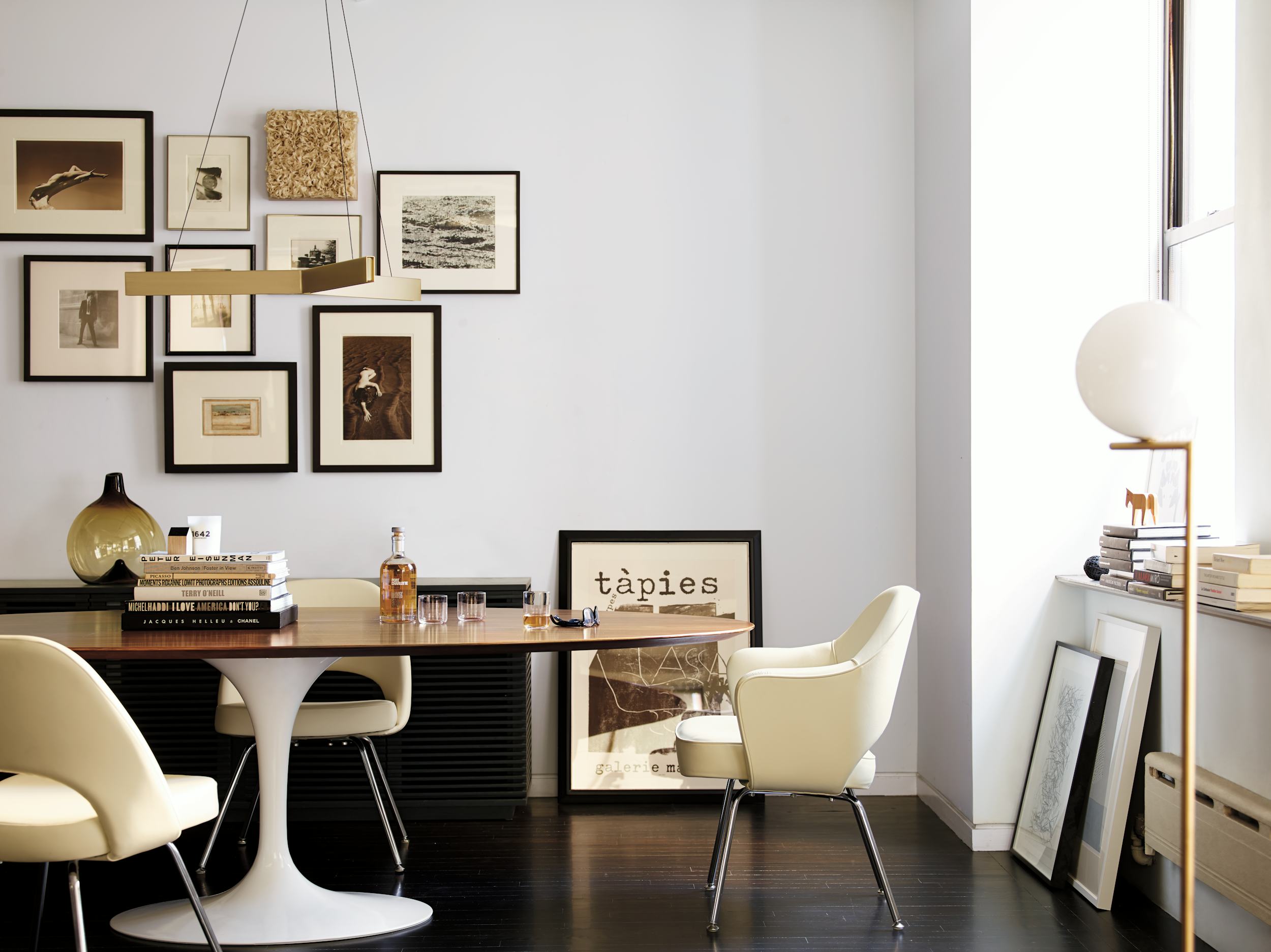
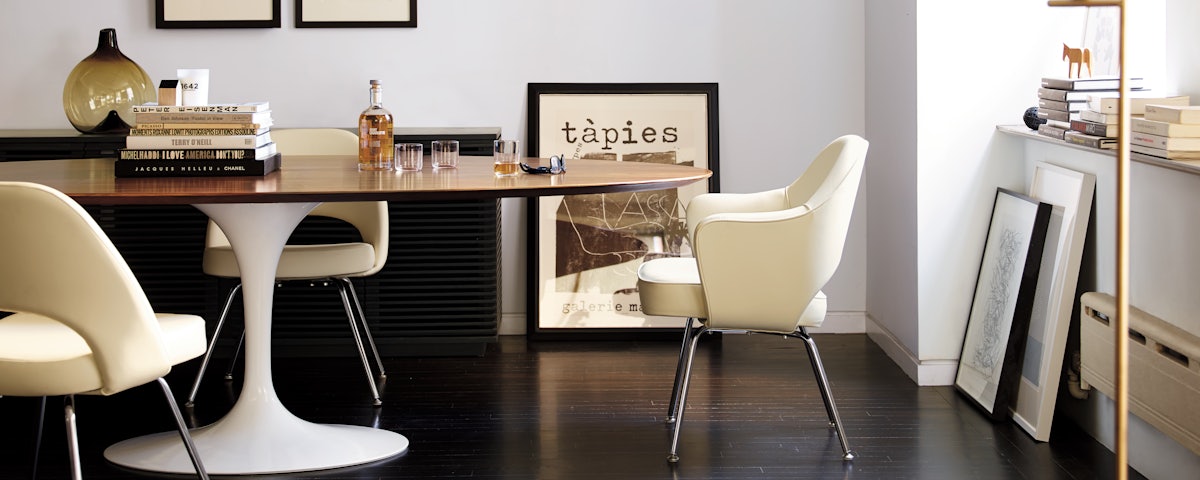
The Saarinen Executive Chair (1946) was originally made of fiberglass but was later updated in polyurethane. The feel remains unchanged as the molded shell flexes slightly with the sitter. The contoured plywood seat is supported by metal or wood legs. This chair is Intertek Clean Air Certified for its use of low-emitting products. Manufactured by Knoll according to the original and exacting specifications of the designer. Backed by a five-year manufacturer’s warranty.
- Intertek Clean Air Certified for its use of low-emitting products.
- Bent wood or tubular steel legs.
- Fabric or leather upholstery.
- Brand
- Knoll®
- Collection
- Saarinen Executive Collection
- General Dimensions
-
- 31½" H 26" W 24¾" D
- Product Weight
- 18 lbs
- Assembly
- Comes fully assembled
- Warranty
- 5-year warranty (terms and conditions may vary)
- Item No.
- 384315

Armchair - Wood Legs
- Height (in): 31½
- Width (in): 26
- Depth (in): 24¾
- Weight (lbs): 18
- Seat Height (in): 18
- Arm Height (in): 25

Armchair - Metal Legs
- Height (in): 31½
- Width (in): 26
- Depth (in): 24¾
- Weight (lbs): 19
- Seat Height (in): 18
- Arm Height (in): 25
- Molded reinforced polyurethane shell
- Contoured plywood seat
- Steel leg base
- Solid steam-bent wood legs or seamless tubular steel legs with chromed finish
- Fabric, suede, or leather upholstery
- Notification of Filling Contents
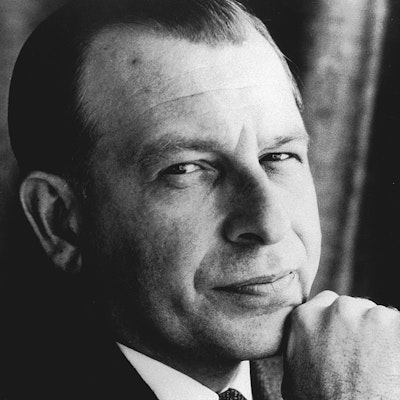
Eero Saarinen
“The purpose of architecture is to shelter and enhance man’s life on earth and to fulfill his belief in the nobility of his existence,” said Eero Saarinen in 1959. Saarinen’s architectural legacy communicates this sentiment of giddy potential and unfettered optimism in post-war America seen in iconic projects like the Gateway Arch in St. Louis and in his sculptural furniture designed for Knoll.
More on Eero SaarinenYou may also like
12 colors
12 colors
$2,654.00
-
$5,112.00
133 colors
New colors
$2,287.00
-
$2,940.00
131 colors
22 colors
12 colors