



Susan Clark
Susan Clark has forged her own path, one craft at a time. The accomplished designer is trained in glassblowing, metal fabrication, weaving, and woodworking – an expansive practice rooted in curiosity and care. That hands-on spirit continues to shape her work today. “Championing the handmade – working with materials that still require the human hand – is central to my mission, both in the work I create and the work I choose to support,” she says.


Helle Mardahl
Following careers in fashion and fine art, Danish designer Helle Mardahl trusted her instincts – and a childhood dream of a Willy Wonka-like world – to guide her to glass. That sense of wonder lives on in her “candy objects”: tableware and decorative objects crafted in mouth-blown glass. Each piece celebrates the beauty of imperfection, shaped by heat, breath, and hand. “Quirkiness, color, fun, and imperfection are at the heart of everything I do,” she says. “At its core, I hope my work simply makes people happy.”


Kirsten Møller
Kirsten Møller grew up with stories of her grandfather, Niels Otto Møller, who founded J.L. Møllers Møbelfabrik in Aarhus, Denmark in 1944. Now in her tenth year as CEO – the first woman to hold the role – she thoughtfully carries his legacy forward. For Kirsten, that means evolution without erasure, balancing innovation with time-honored traditions to preserve the identity and craftsmanship that helped define Danish modernism.


Nani Marquina
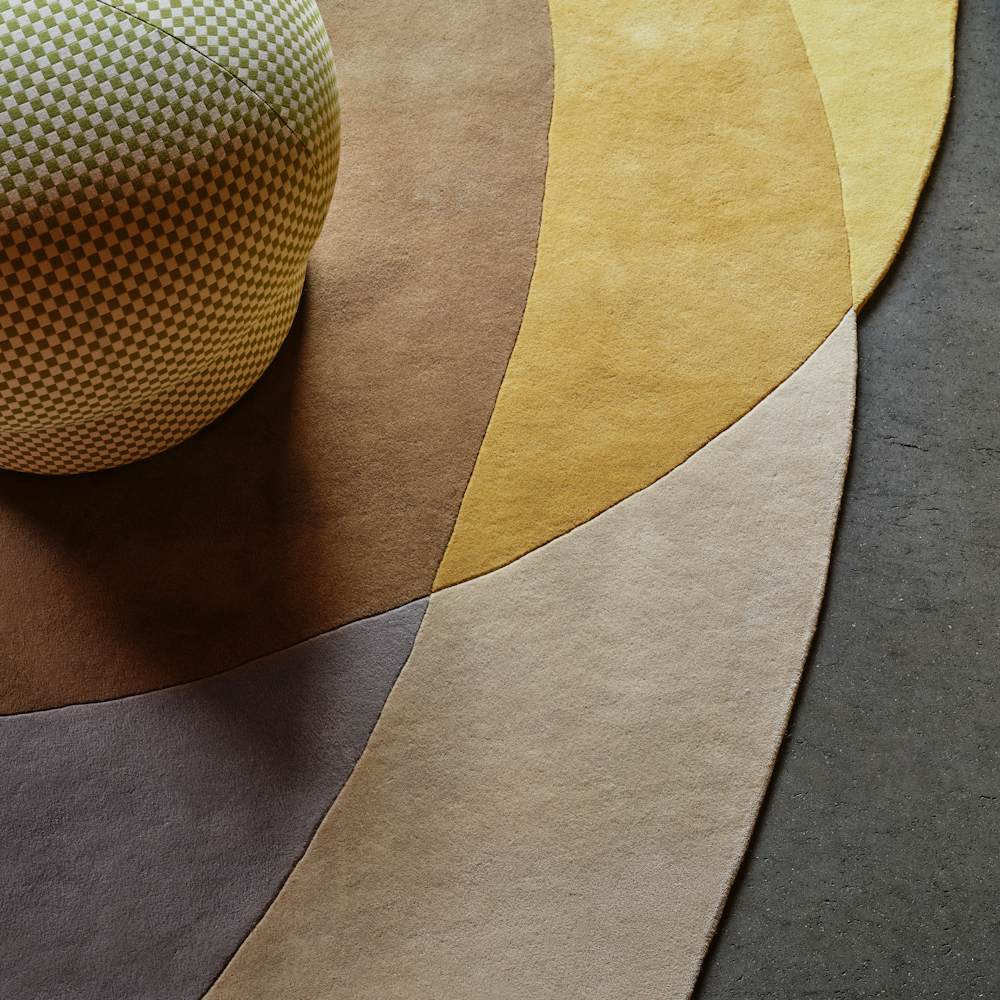
When the right rug didn’t exist, Nani Marquina designed it herself – setting the foundation for her eponymous studio now approaching its 40th year. “We were pioneers in combining traditional craftsmanship with contemporary design,” the Spanish designer and founder says. “That innovative spirit continues to define our work today.” Marquina brought contemporary design to the traditional craft of rug-making, enlisting a wide range of talented artists to design flooring as art.


Paola Paronetto
Paola Paronetto spent years searching for an approach to ceramics that would allow room for experimentation. Unwilling to be limited to traditional techniques, the Italian artist developed her own expressive language in paper-clay – a hybrid of paper pulp, natural fibers, and clay. Layered by hand, each sculptural object carries the marks of its making, from visible brushstrokes to organic textures that play with light and shadow, translating joy, lightness, and poetry into form.


