Sectionals

Featured Sectional Collections


View


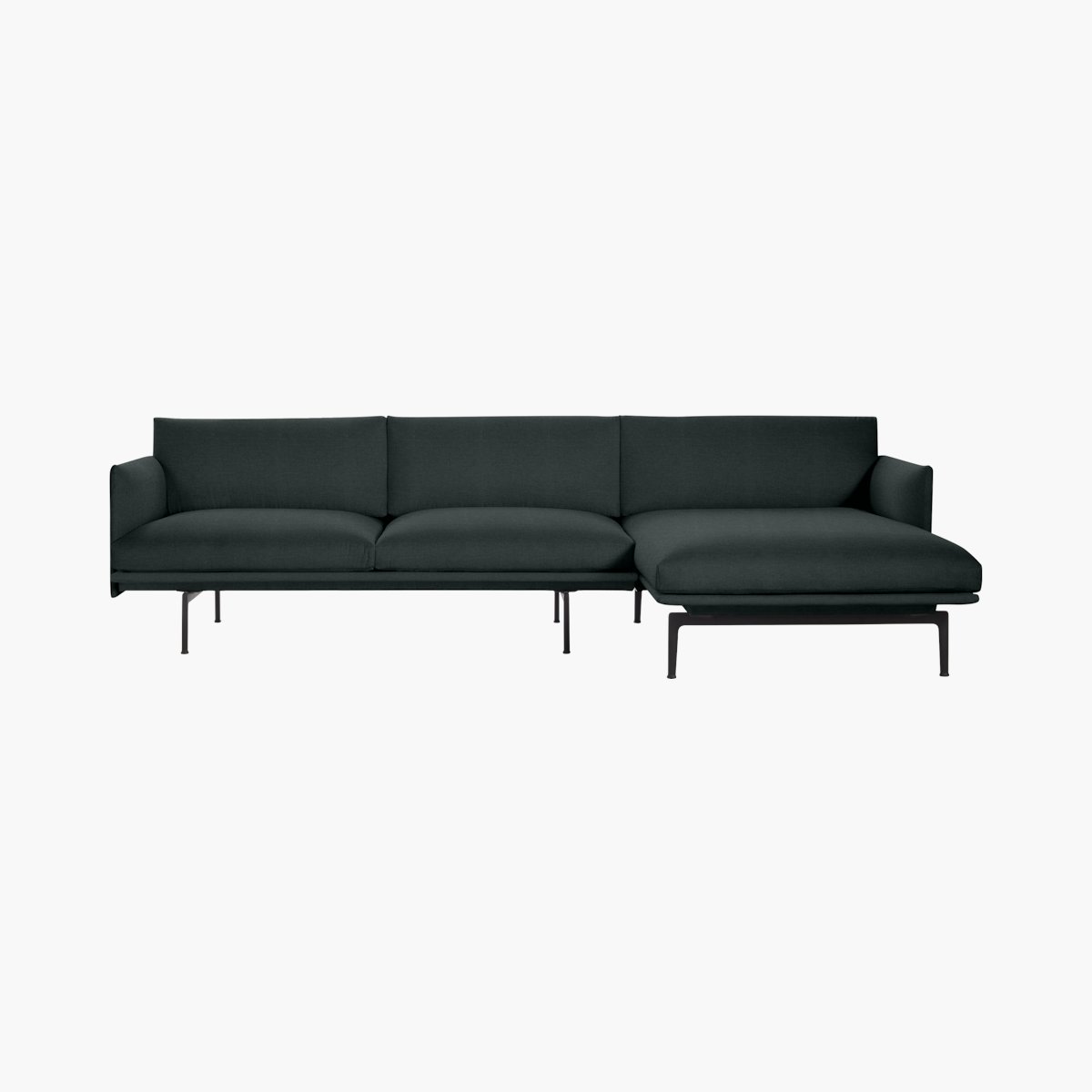


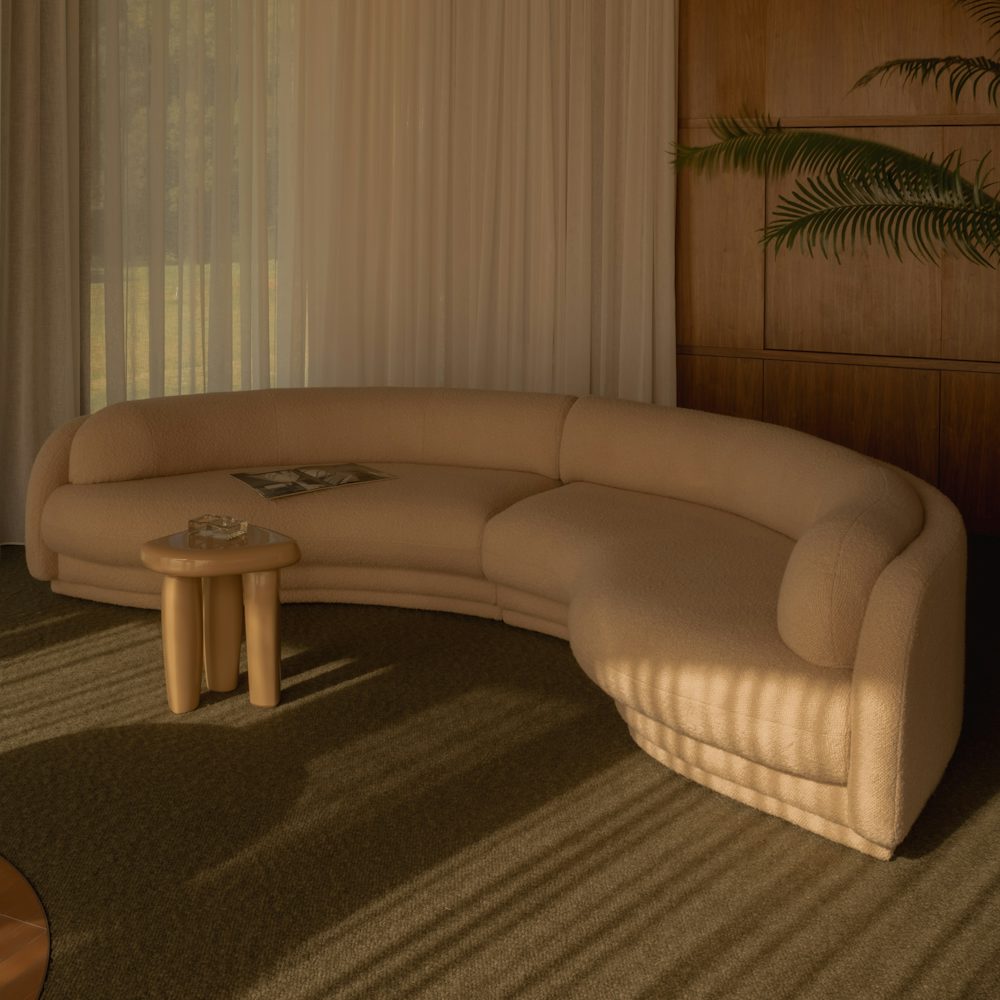


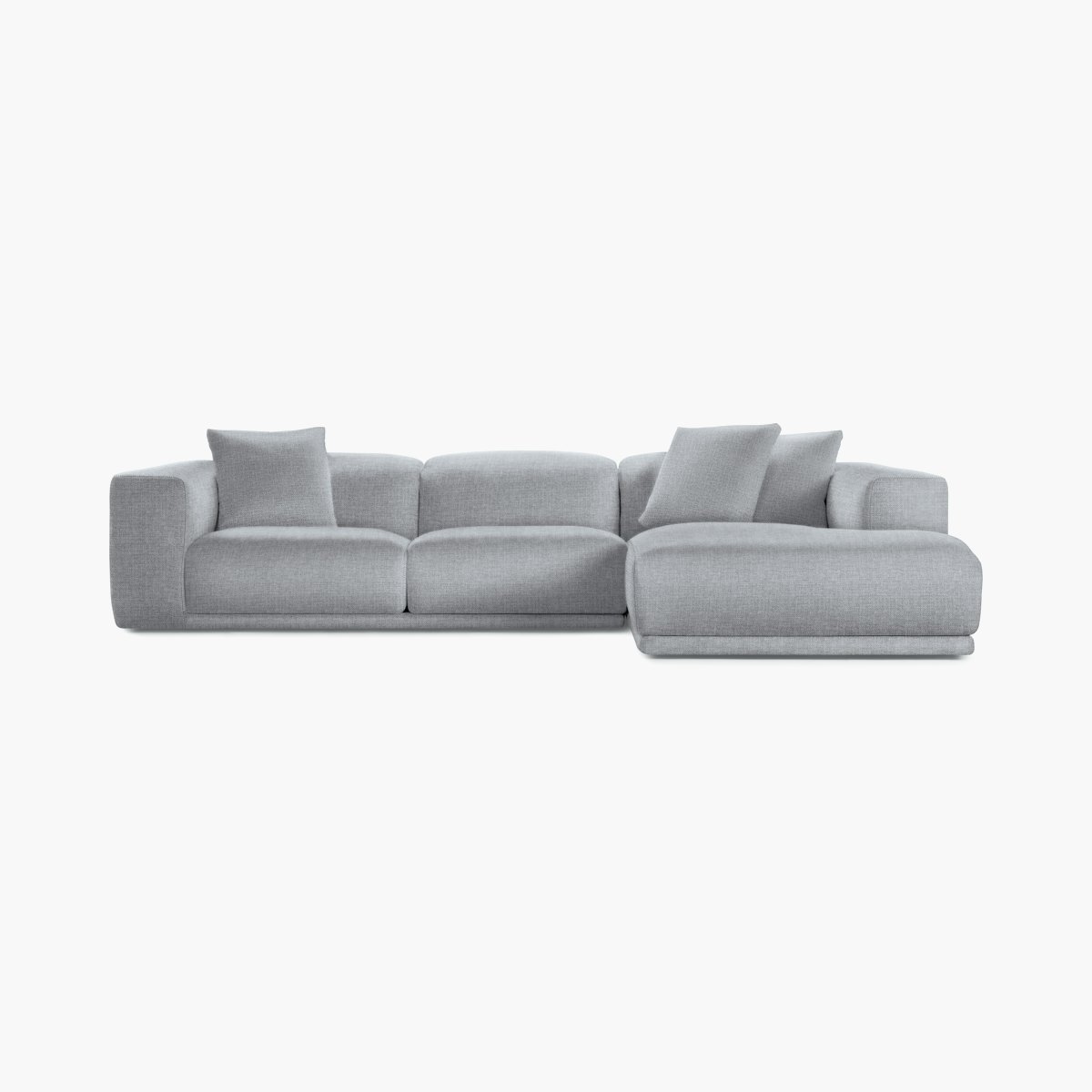


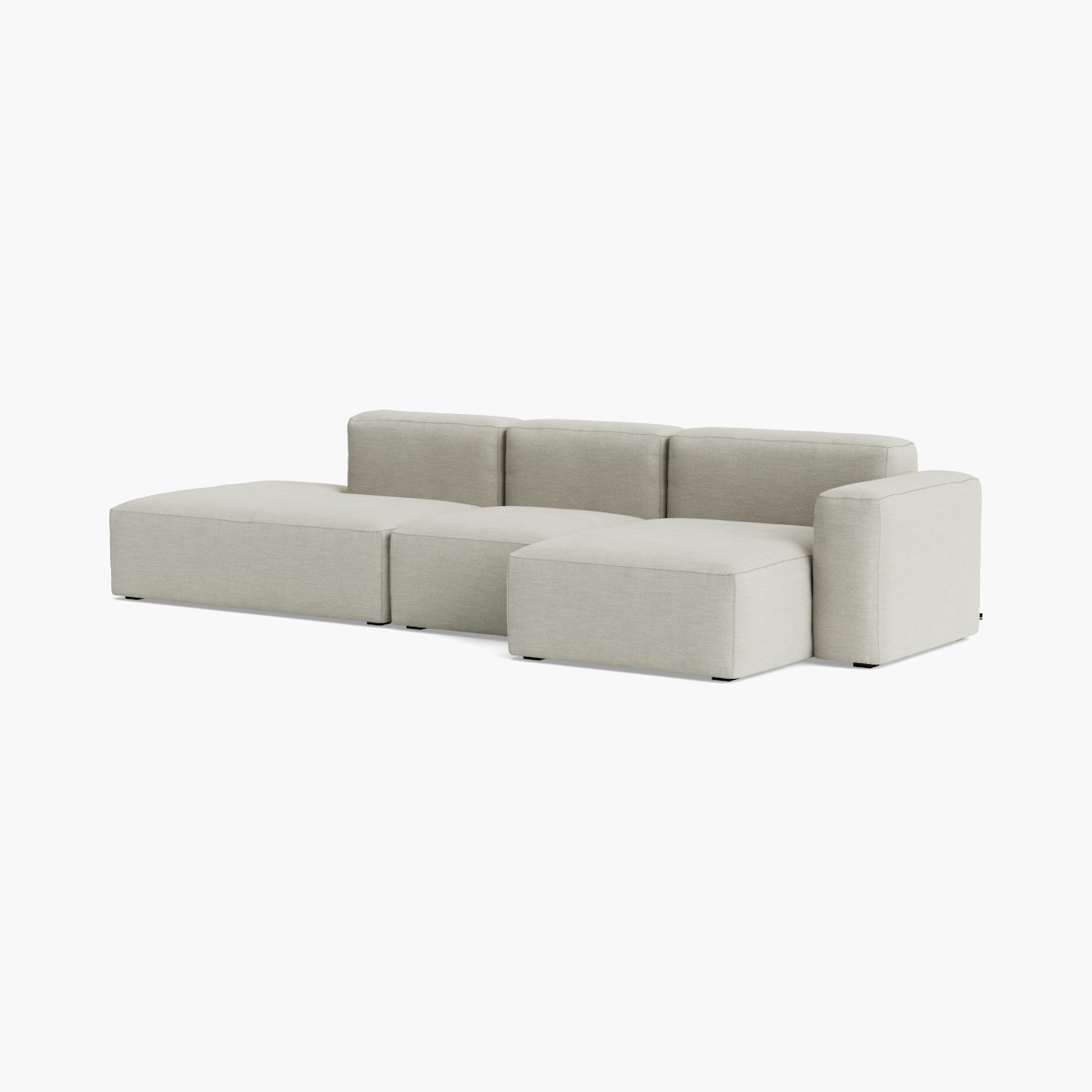


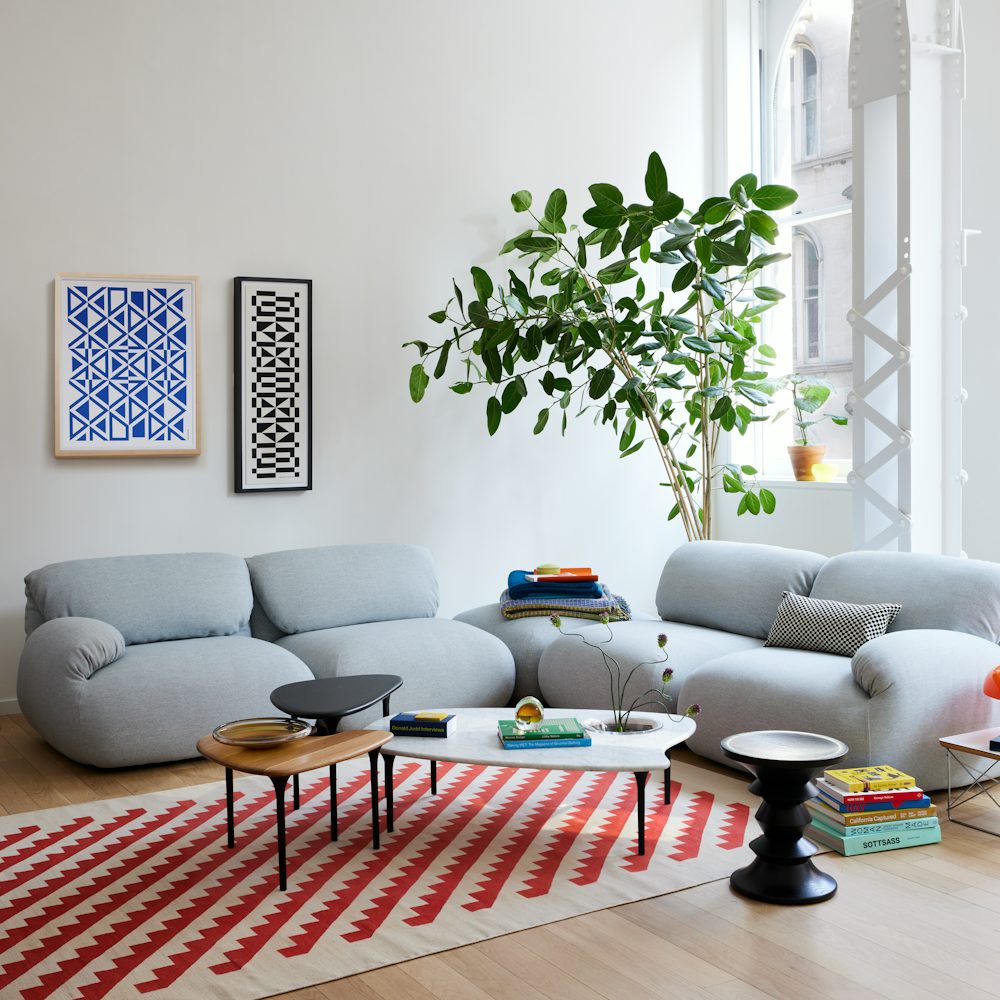

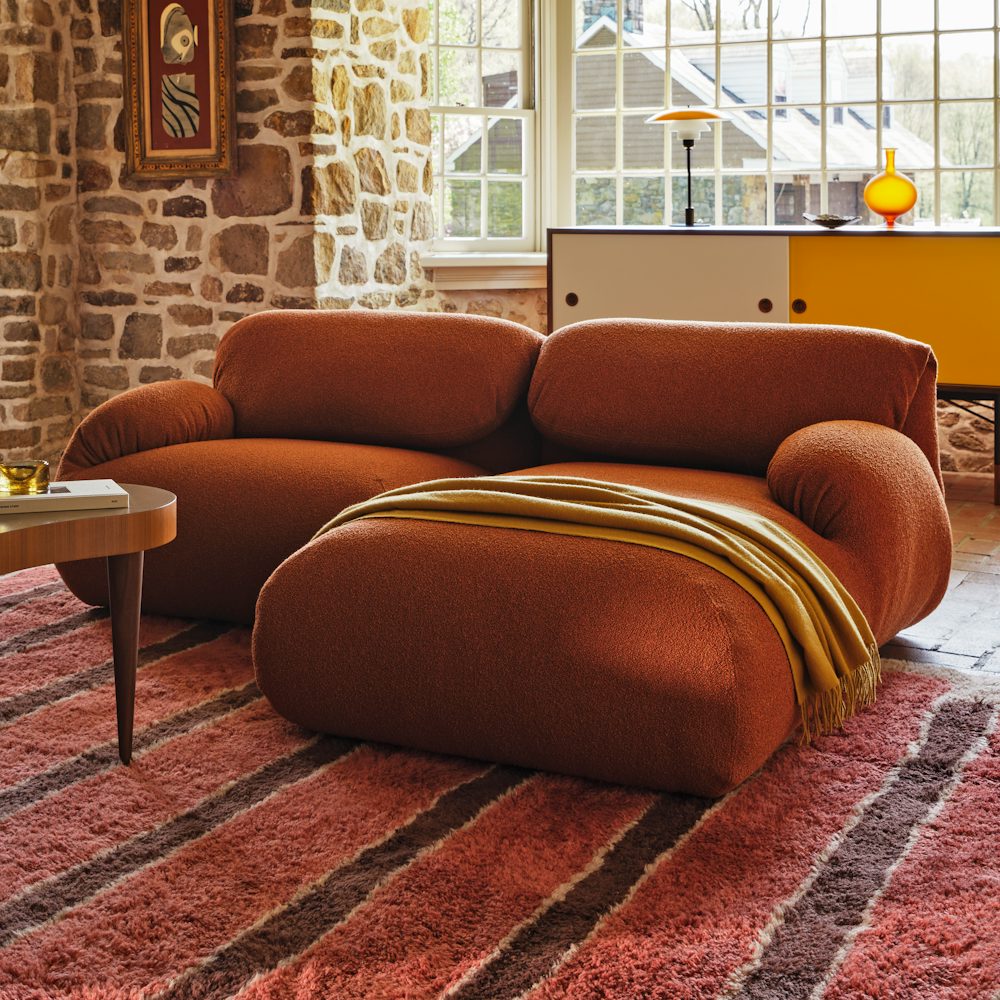




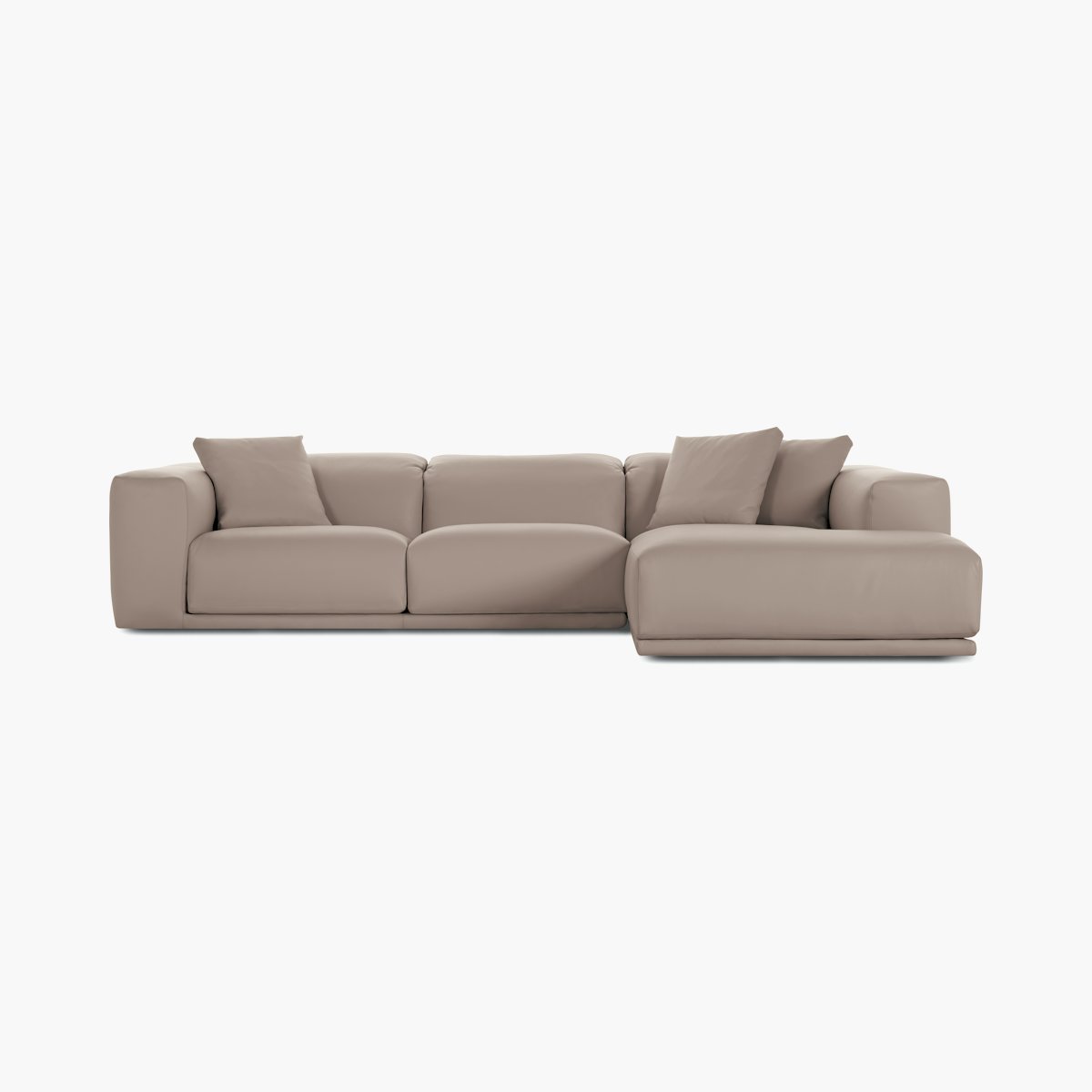
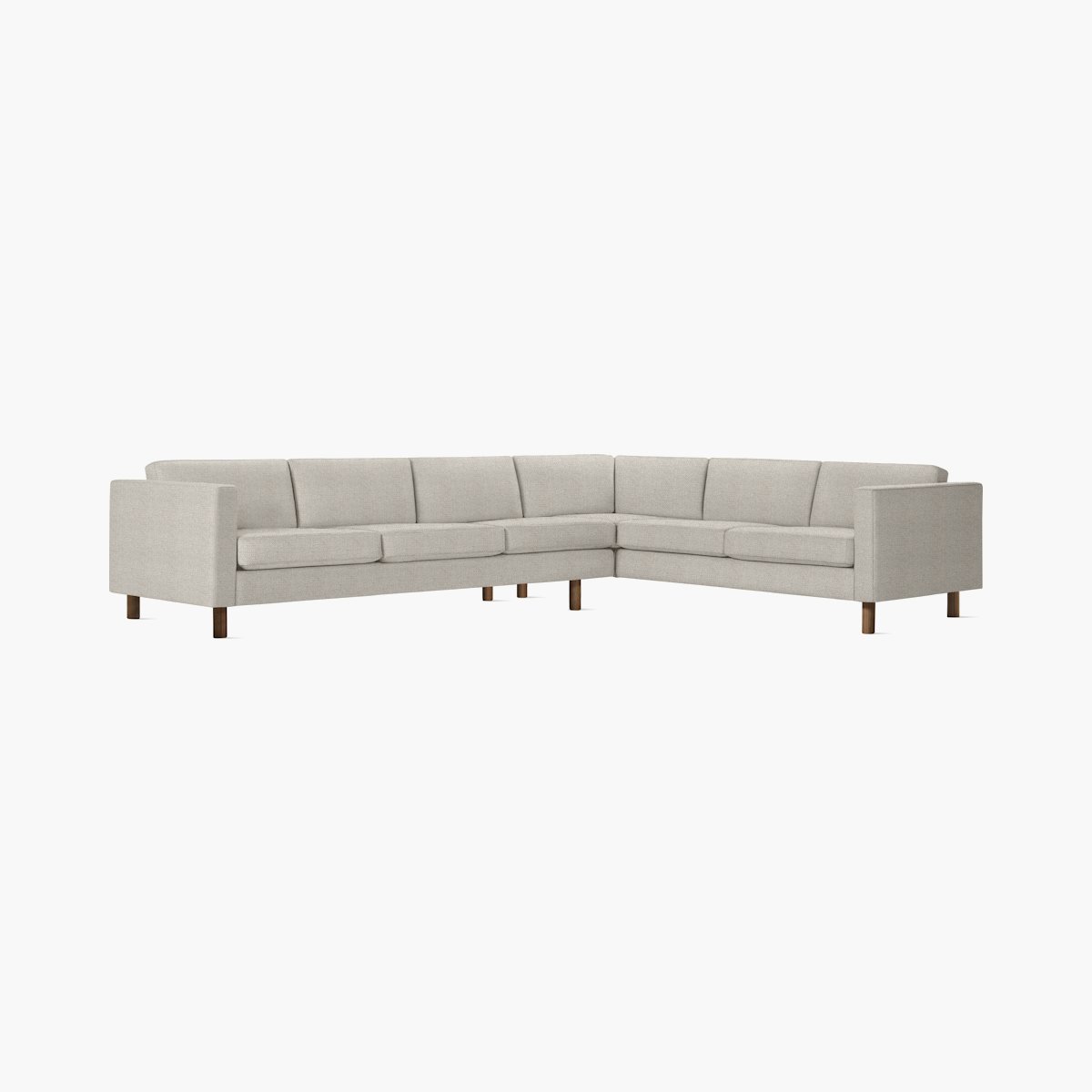
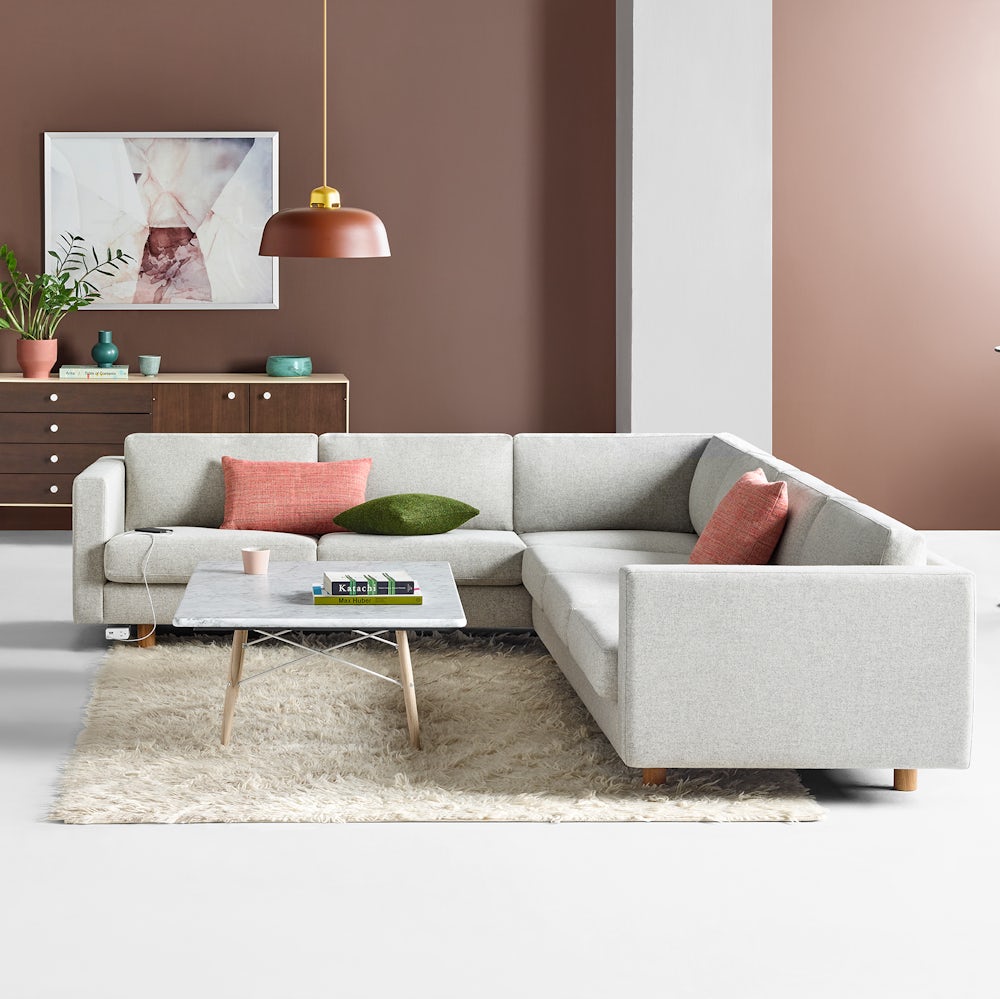
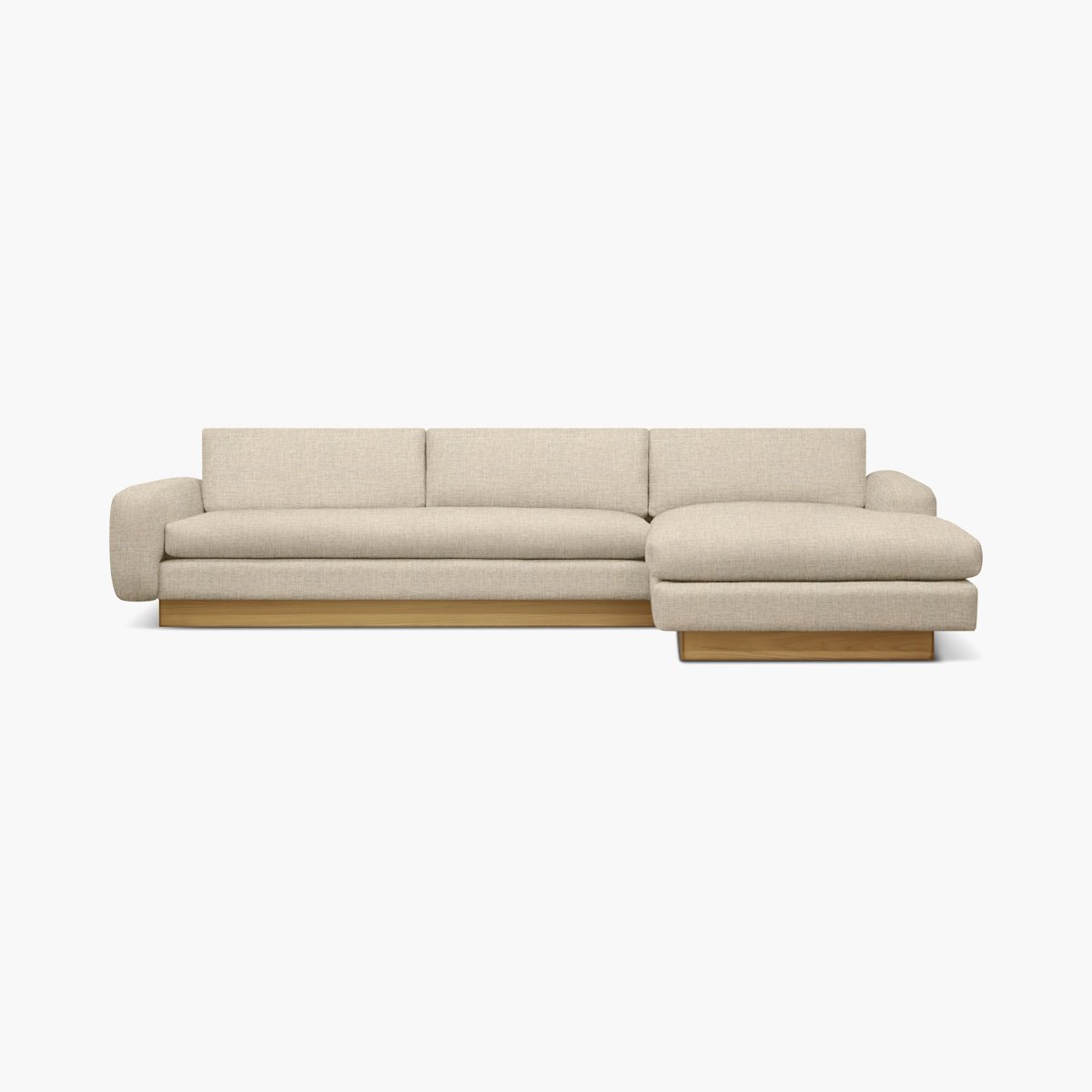
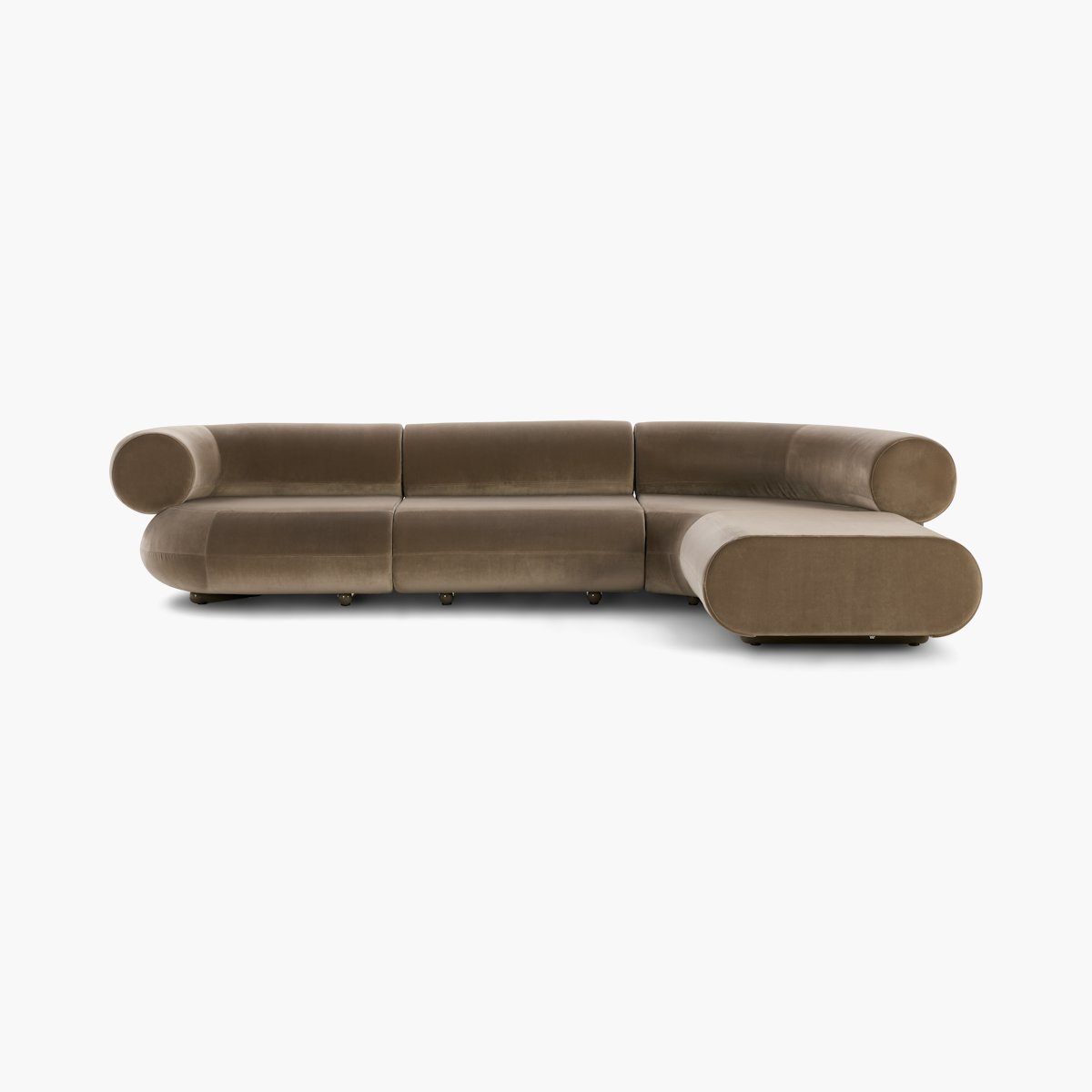


The Rise of the Modern Sectional Sofa
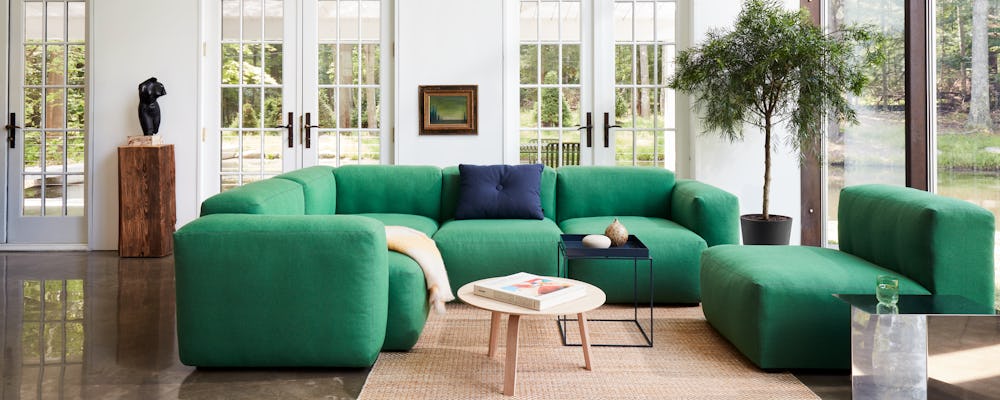
The modern sectional sofa is spacious, comfortable, and designed for real life—perfect for lounging, entertaining, and everyday living. While sectional sofas feel like an obvious living room solution, they are actually a relatively recent invention. The sectional’s popularity can be traced back to a major shift in how homes were designed, used, and lived in.
Understanding where sectional sofas came from helps explain why they remain one of the most versatile seating options for modern and contemporary interiors.
Living Rooms Before Sectionals: Victorian Sitting Rooms
In Victorian-era homes, living room furniture served more symbolic than practical purposes. Parlors featured sofas, loveseats, and chairs, but they were not arranged for comfort or casual conversation.
Common traits of Victorian sitting rooms included:
• Ornate, decorative furniture meant to display wealth and status
• Rigid seating arrangements with assigned social roles
• Little concern for lounging or flexibility
Each piece of furniture had a prescribed function:
• Armchairs were reserved for the head of the household
• Armless “ladies’ chairs” enforced upright posture
• Side chairs were meant for children
• Sofas were formal guest seating
Conversation happened, but it was structured, stiff, and secondary to decorum.

Postwar Design and the Birth of the Modular Sectional
The mid-20th century marked a turning point in interior design. After World War II, homes became more casual, open, and centered on shared activities. Open-concept living and dining areas created central gathering hubs where families entertained, relaxed, and interacted together.
Traditional, static furniture layouts no longer worked.
Mid-Century Modern Design Solves the Problem
The mid-century modern (MCM) movement rejected Victorian formality in favor of:
• Function-first design
• Minimal padding and subtle tufting
• Comfort and usability
• Affordable, mass-producible furniture
• Human-centered ergonomics
This environment gave rise to modular furniture—pieces made of individual components that could be configured and reconfigured to suit different spaces and needs.
American designer Harvey Probber is widely credited with inventing the modern sectional sofa through his 1946 Sert Group modular collection. Built on earlier functional design principles introduced by Gilbert Rohde for Herman Miller, modular sectionals quickly became popular throughout the 1950s and 1960s.
By the mid-century, sectional sofas were a staple of modern living rooms, offering:
• Flexible seating arrangements
• High seating capacity
• Adaptability for entertaining

From Modular Flexibility to Fixed Sectionals
As habits continued to evolve, so did furniture design. By the late 1950s, television had become a focal point in American homes. This shift changed the way living rooms were arranged and used.
Rather than rearranging furniture for conversation, families needed:
• Clear sightlines to a TV
• Seating for multiple people in fixed positions
In response, manufacturers moved away from fully modular designs and introduced:
• Fixed L-shaped sectionals
• U-shaped sectionals
• Sofas with built-in chaises
These high-capacity, monolithic sectionals prioritized shared viewing and comfort over constant reconfiguration.
Sectional Sofas Today: Designed for Flexible Living
Modern living rooms are once again evolving. Post–COVID-19 lifestyles, smaller apartments, frequent moves, pets, and work-from-home setups have renewed interest in adaptable sectional sofas.
Today’s buyers have practical considerations, such as:
• Is a fabric or leather sectional better for pets?
• Which sectional layout works in a combined living-and-office space?
• Will it fit through narrow doors or up a walk-up apartment?
• Can one sectional work for entertaining, working, and relaxing?
Contemporary and modern sectionals are now designed to answer all these needs, balancing comfort, flexibility, and clean design.
Types of Modern and Contemporary Sectional Sofas

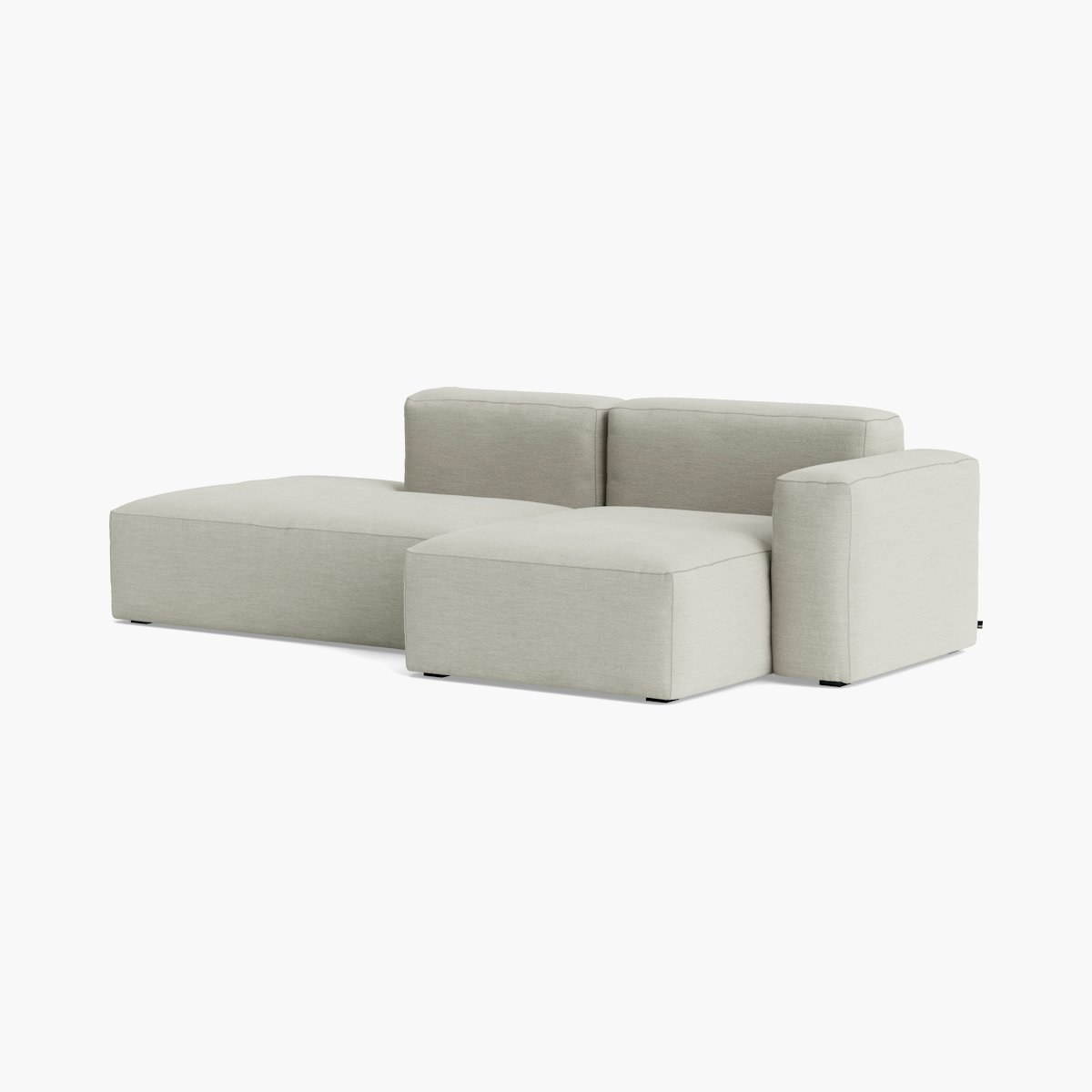
Sofas with Chaises
A chaise is an extended seat that supports the legs for reclining.
Sofas with chaises are ideal for smaller living spaces that still want the comfort of a sectional.

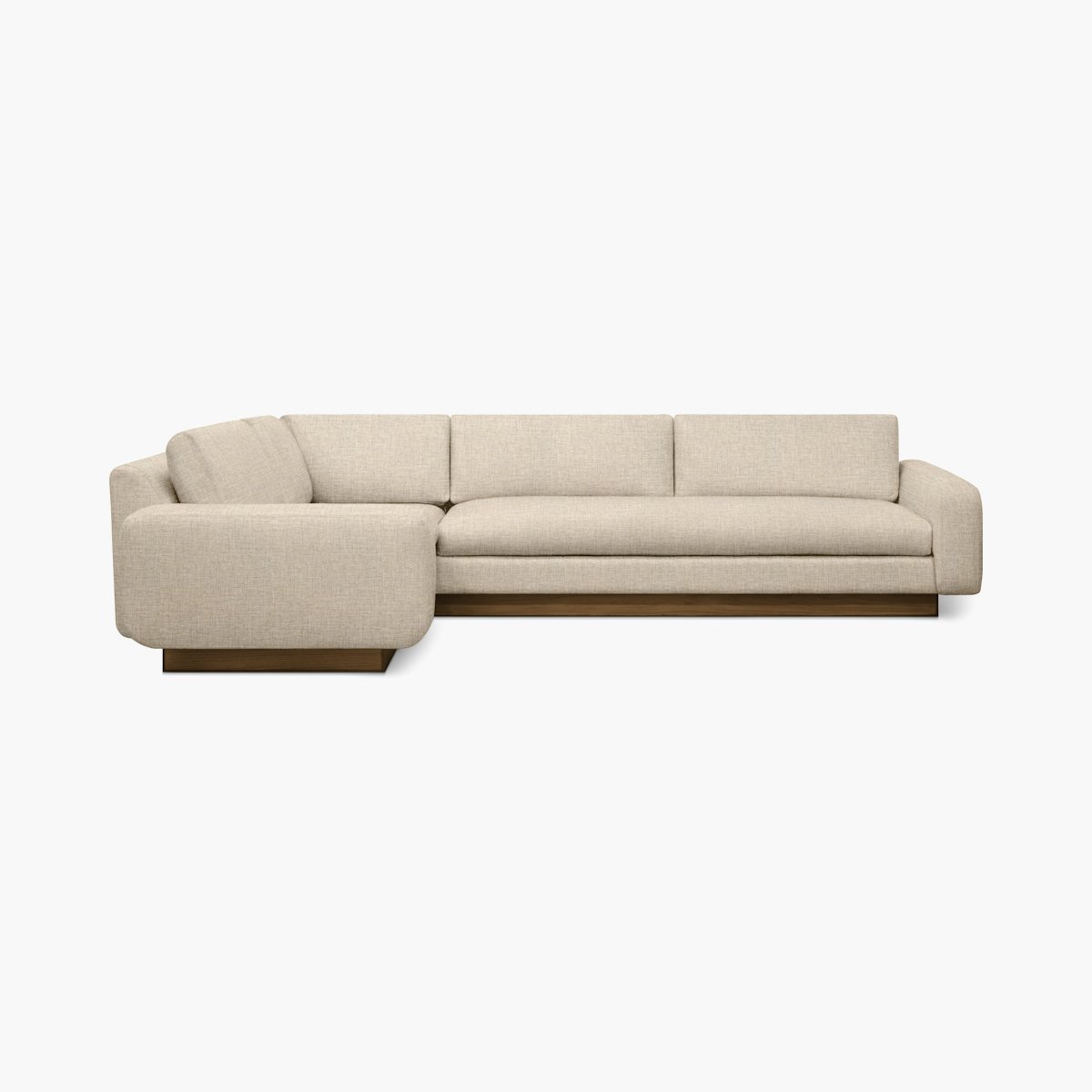
L-Shaped Sectional Sofas
L-shaped sectionals consist of two seating sections joined at a right angle.
When placing an L-shaped sectional, the back typically faces the TV or fireplace, while the arm opens toward the rest of the room.

U-Shaped Sectional Sofas
U-shaped sectionals are the largest sectional option available.
These sectionals resemble classic conversation pits, centered around coffee tables and shared seating.

Modular Sectional Sofas
Modular sectionals are made from individual components that can be rearranged or expanded.
Modular pieces typically come from the same collection to ensure compatibility and consistent design.

Sectionals with Storage
Sectionals with storage combine seating and organization.
Some sectionals with storage also function as sleeper sofas, offering space for bedding and overnight guests.
Why the Modern Sectional Sofa Endures
Sectional sofas have survived because they adapt. From mid-century modular designs to today’s multifunctional sectionals, they continue to evolve alongside how people live.
A modern sectional sofa offers:
• Comfort for everyday life
• Flexibility for changing needs
• Seating for gathering and relaxation
• Design that complements modern interiors
To explore layouts, materials, and delivery considerations in more depth, consult our comprehensive Sofas + Sectionals Buying Guide or work with a design expert to find the right sectional for your space.