Flos

Founded in Merano, Italy, in 1962, Flos was built on the “idea of giving birth to objects suitable to change the way of living.” A defining example is the brand’s early collaboration with brothers Achille and Pier Giacomo Castiglioni: The Arco Floor Lamp, with its sweeping arc and marble base, made overhead light possible without ceiling installation.
Later rooted in Italy’s industrial hub of Brescia, Flos gave designers the freedom to experiment and turn bold ideas into lasting objects. Today, the brand continues to balance innovation, craftsmanship, and technical precision through collaborations with designers including Philippe Starck, Piero Lissoni, and Ronan Bouroullec.
View




















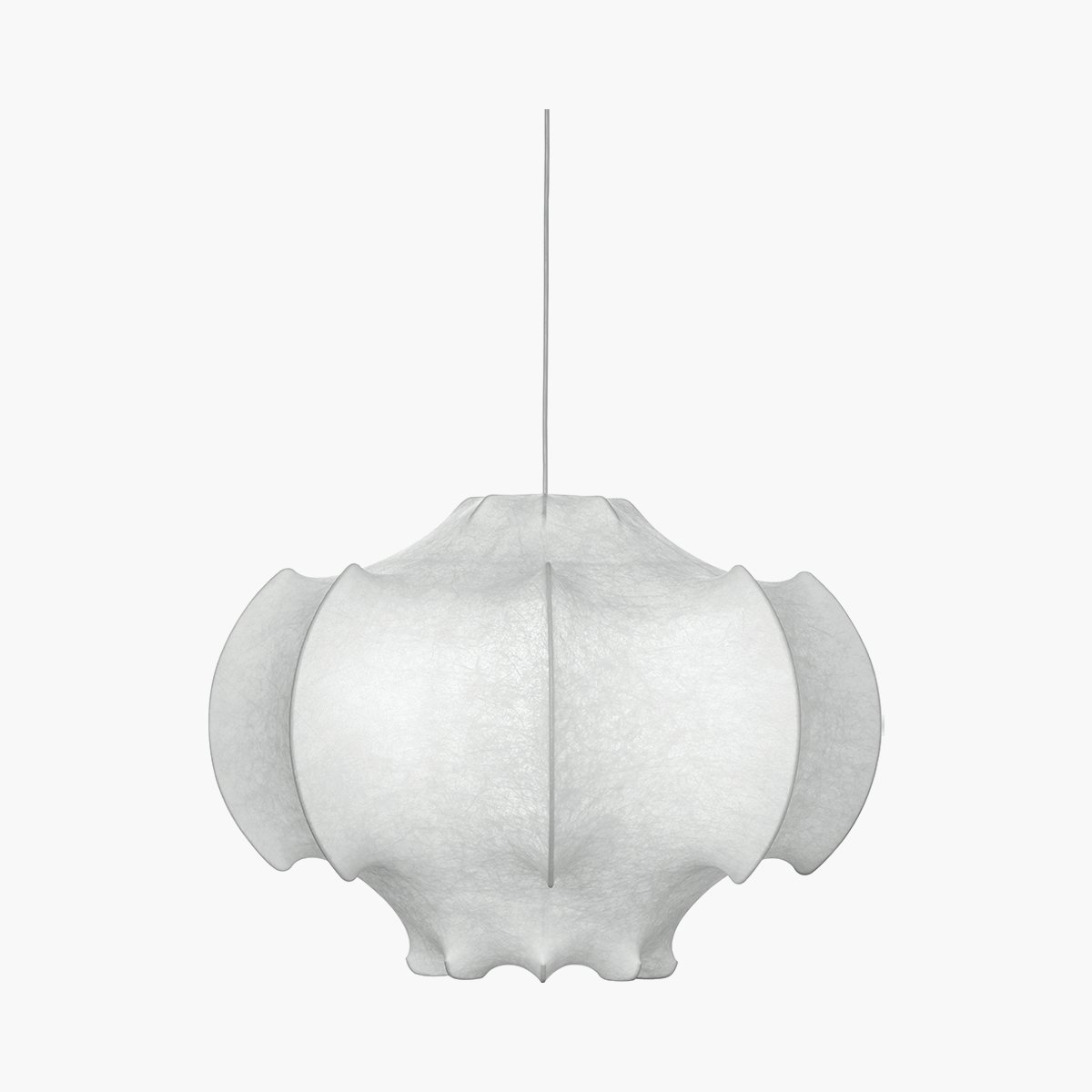

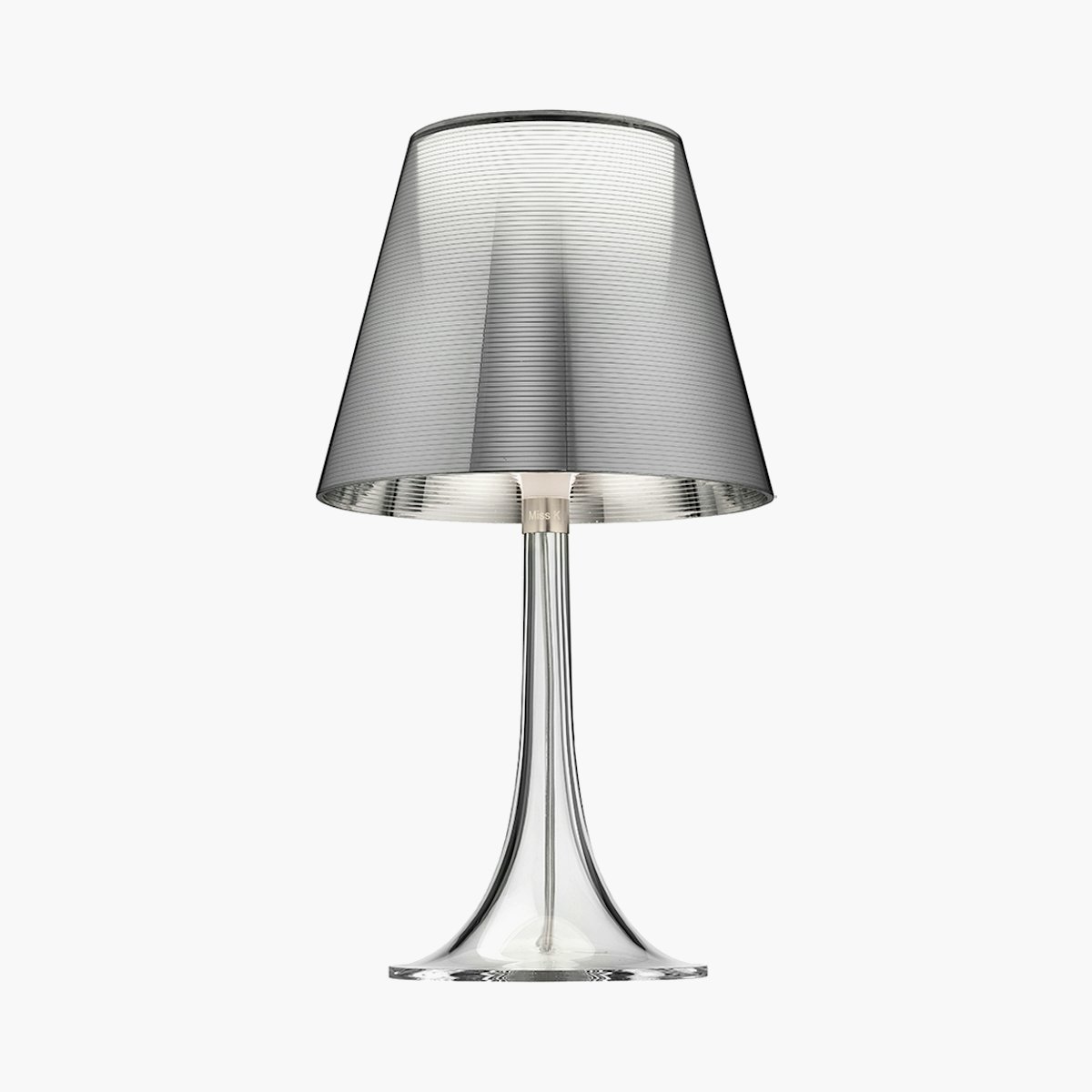
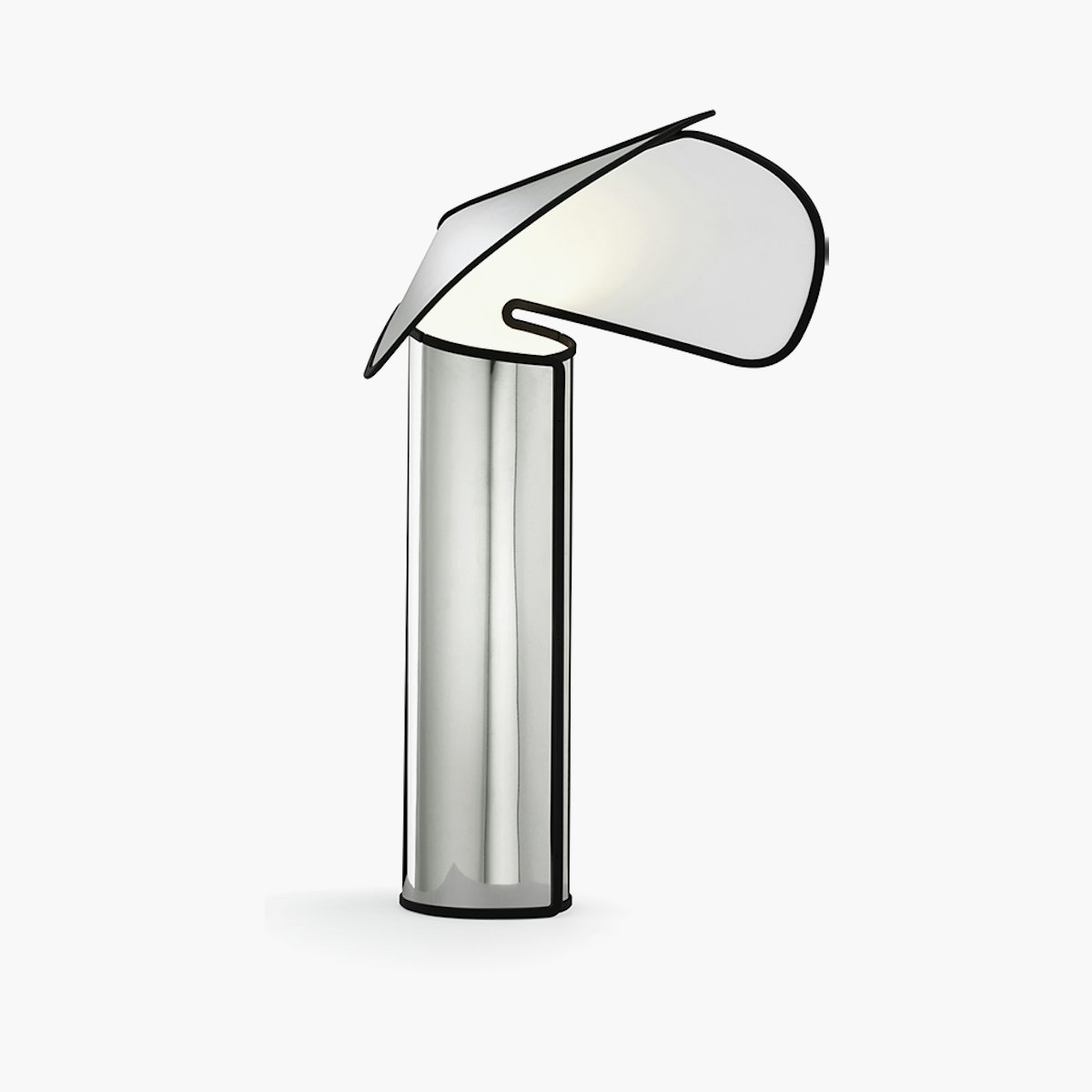


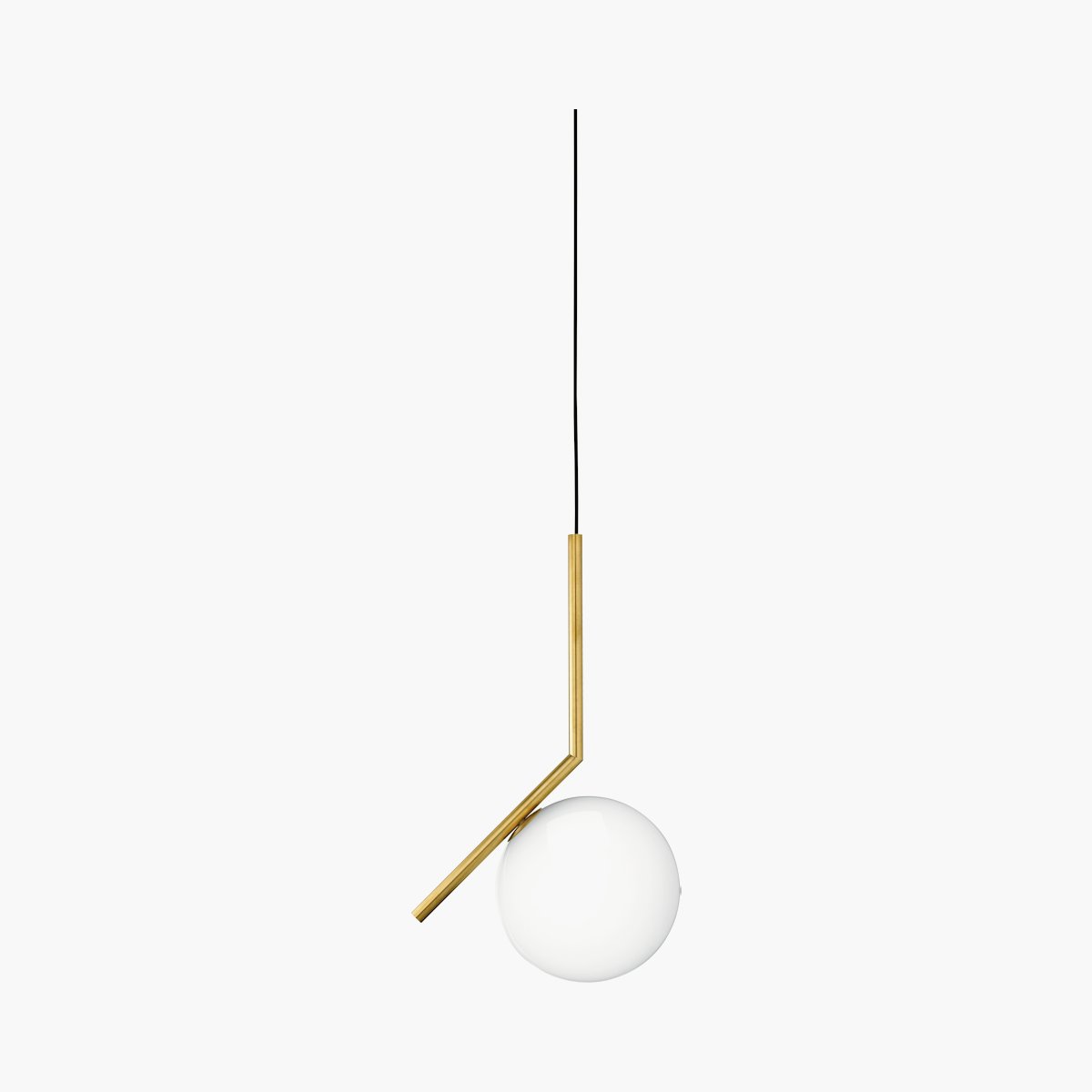

















In conversation: Erwan Bouroullec
We chat with the celebrated designer about his new Maap Lamp for Flos.
How would you describe Maap to someone who hasn’t experienced it?
Maap is a very emotional experience. It’s a light source that can very softly create an atmosphere that surrounds you. Its nature is very simple to understand while constantly questioning your eyes – a little like a landscape that’s is easy to read yet always intriguing through its details, movements, and shadows.
Where did the process begin, and how did you find the right material?
Paper was always the inspiration, but I wanted to create an enduring design. Paper alone was not meeting many of the performances I wanted to achieve. We therefore evolved towards an ultra-thin polyethylene sheet. It offers similar translucency and lightness – actually even lighter – while also being tear-resistant, waterproof, washable, and durable.
Maap is shaped by hand during installation, making every piece slightly different. Why was it important to leave room for that?
I love the fact that people engage in the making because they shape it themselves. Somehow, a meaningful bond is created with the end user: She understands the object, she can maintain it more easily, and she remembers that she built it herself, so she naturally becomes attached to it.
The best thing design can achieve is to give people a sense of achievement and also the feeling of engaging in a wise and simple practice. I tried to embed those sentiments into Maap.
What kind of atmosphere do you envision Maap creating in a space?
From a pure lighting experience, Maap provides a very large surface of energy that creates a very soft and natural feeling of light. Maap is not a point source; it’s a surface – a large one – meaning that when you are close to it, it feels almost like a window through which sunlight enters. It’s soft, broad, never too defined, and yet somehow creates these large, blurred, gentle shadows.
On the other hand, the appearance of Maap is very unconventional while still resembling many things that we intuitively know: For some it looks like a cloud, and for others it evokes a mountain or a flower. All eyes are, at the same time, comforted and intrigued. This makes Maap a focal point, a little like an art piece.
What is certain is that it completely transforms a room – in a soft manner – yet the room somehow becomes a landmark.