Noguchi Table


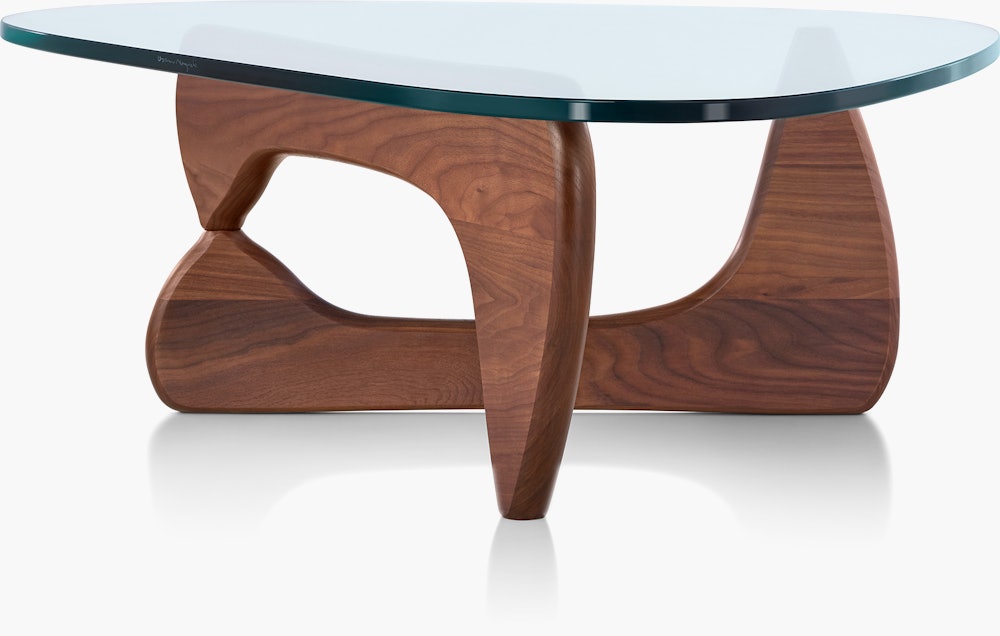
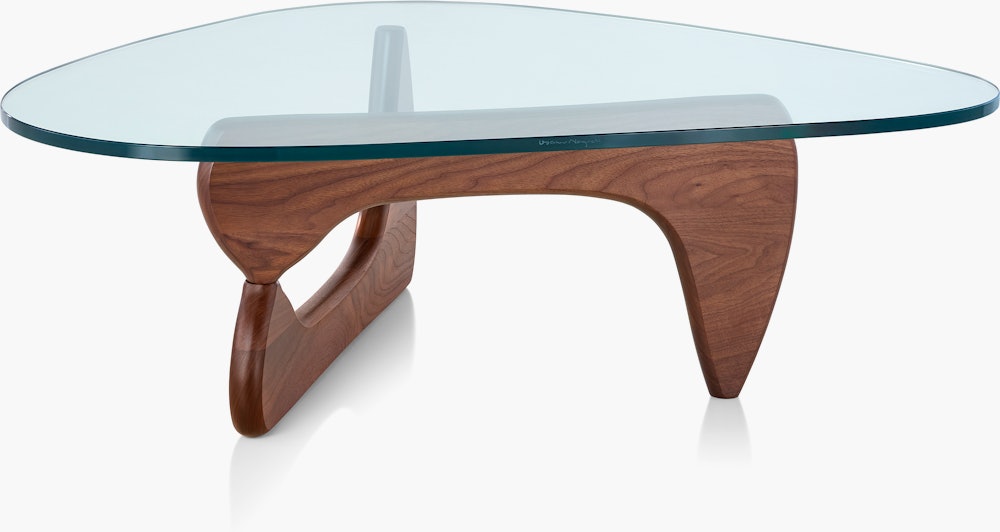
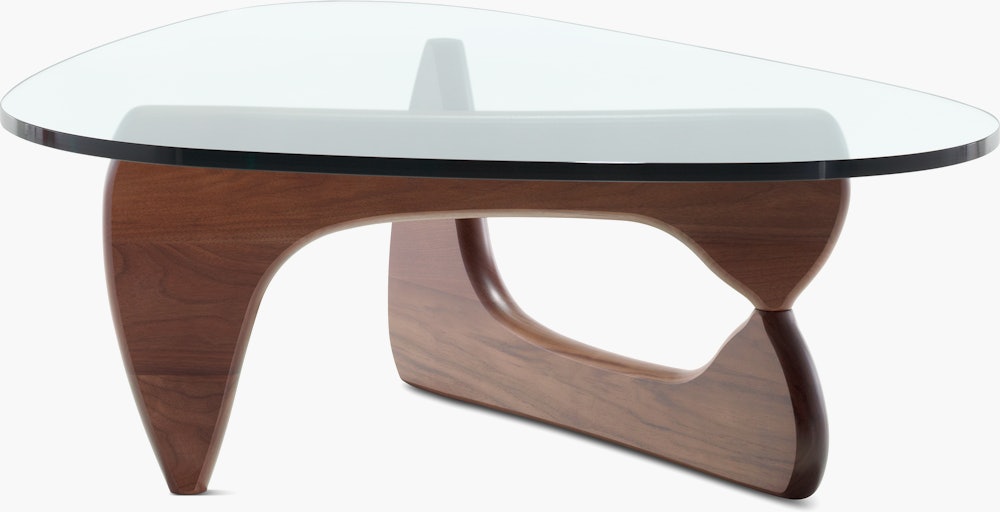





Noguchi Table
Shipping + Delivery

Easy Returns
Not satisfied? Return items within 30 days. Learn More

Design Services
Need help designing your space? Learn more about our complimentary interior design services

Authenticity Guaranteed
This is an original, authenticated product.
Warranty
5-year warranty
Terms and conditions apply. Learn more

Noguchi Table
Details
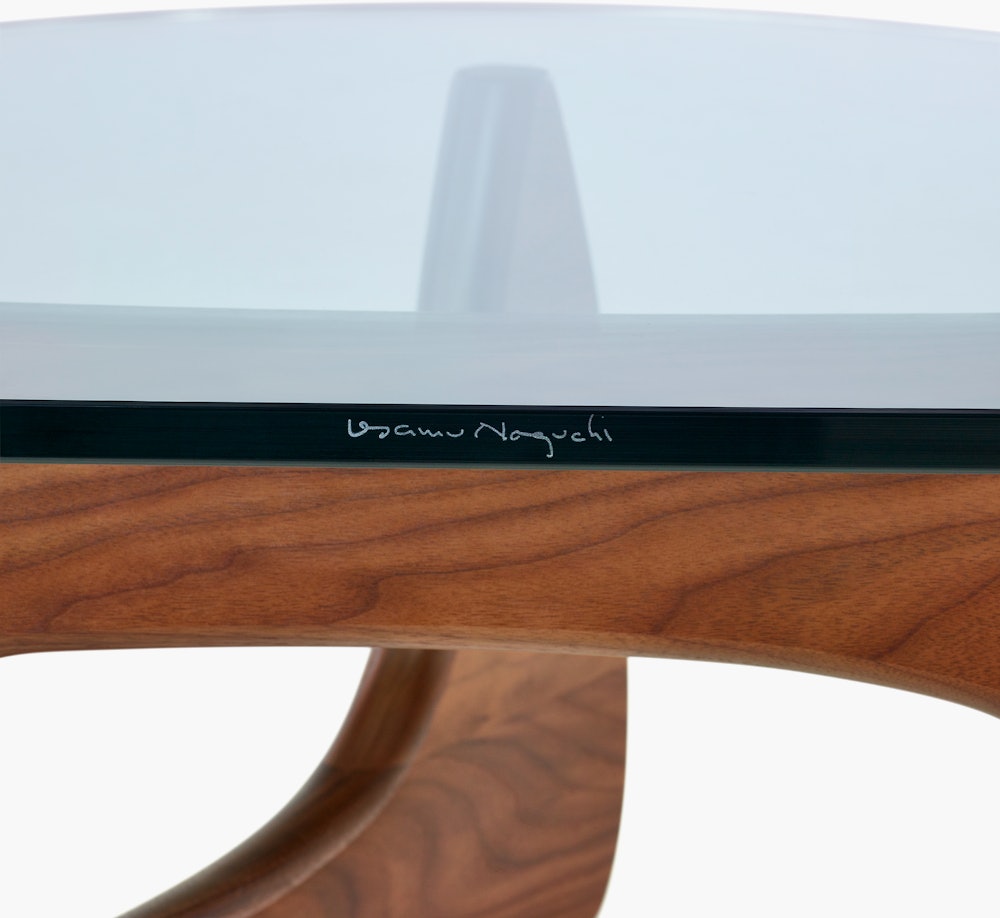
A stamp of authenticity.
To signify its authenticity, this table etched with Noguchi's signature in two places: on the longest edge of the glass tabletop and on a medallion underneath the base. It also holds a registered trademark for its unique configuration.
- An iconic piece for homes and offices since 1948.
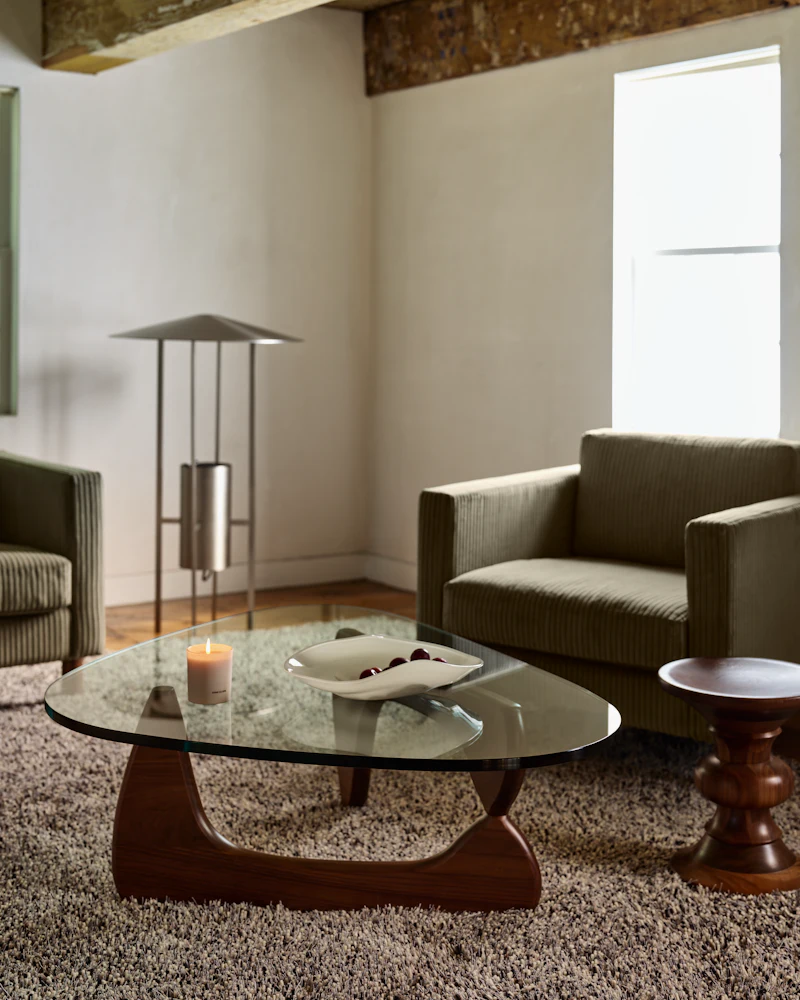
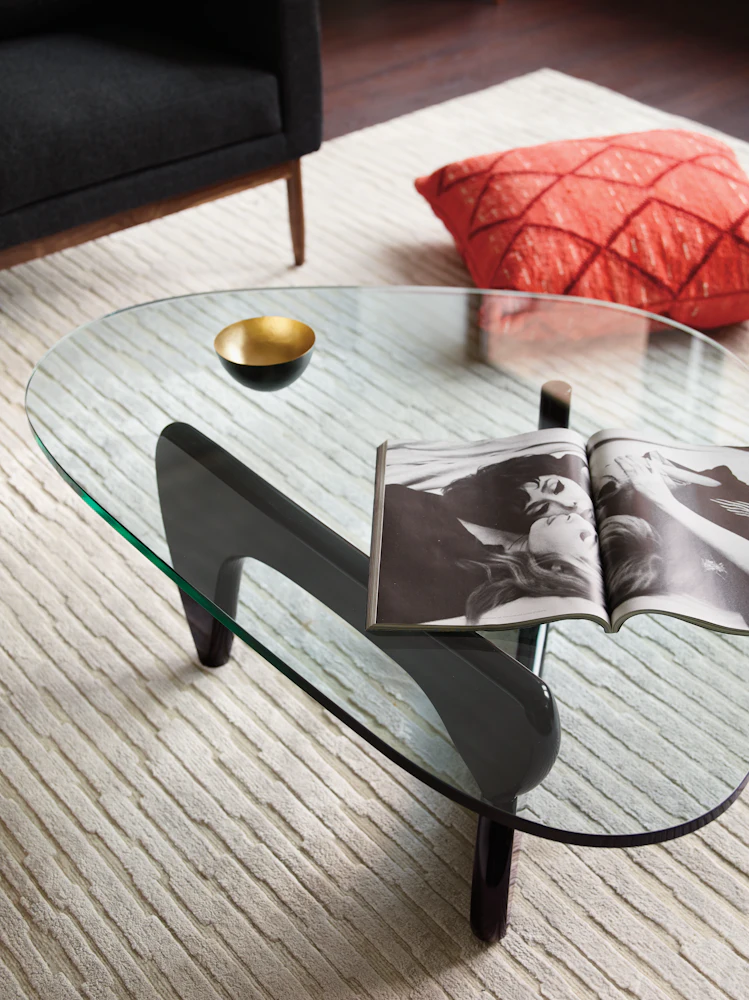
- Instantly recognizable sculptural base and organically shaped top.
- Holds a registered trademark for its unique configuration.
- Sculptural base looks different from every angle.
- To signify its authenticity, it's etched with Noguchi's signature in two places.
- Brand
- Herman Miller
- General Dimensions
-
- 15¾" H 50" W 36" D
- Product Weight
- 155 lbs
- Assembly
- Requires Assembly
- Warranty
-
5-year warranty
Terms and conditions apply. Learn more
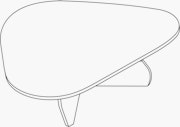
Noguchi Table
- Height (in): 15¾
- Width (in): 50
- Depth (in): 36
- Weight (lbs): 155
- Weight Capacity (lbs): 200
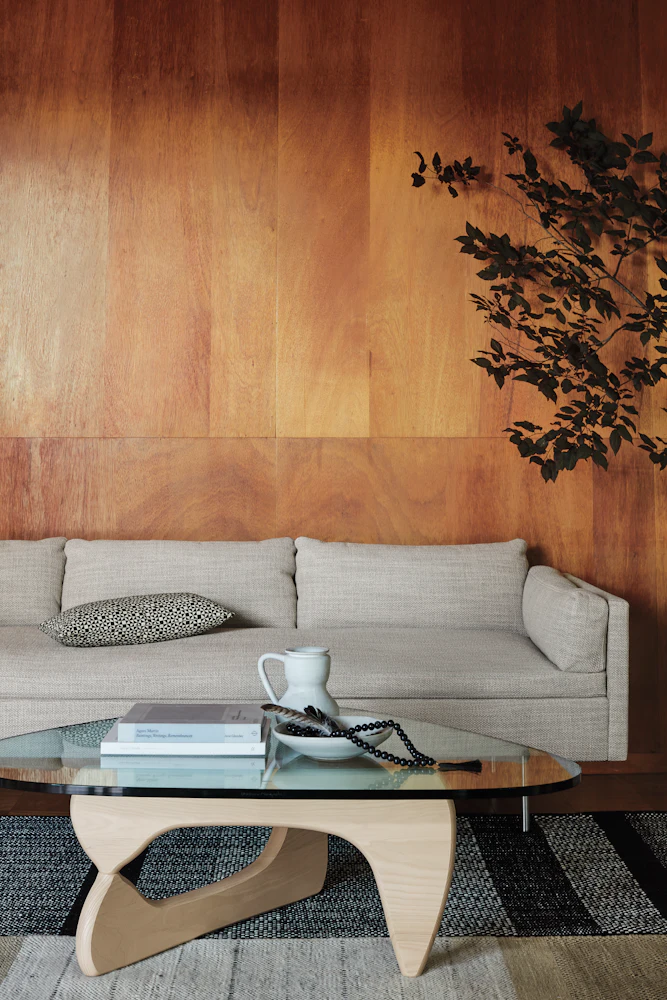
- Solid wood base in black poplar, walnut, white ash, or white oak
- 0.75" thick glass

Isamu Noguchi
Perhaps more than any other midcentury master, Isamu Noguchi blurred the lines between public and personal, between art and design. His career was defined by experimenting, learning and creating. “You can find out how to do something and then do it,” he said, “or do something and then find out what you did.”
More on Isamu Noguchi
Icons
In a clearing in Atlanta’s Piedmont Park is
Playscapes – Isamu Noguchi’s only playground
in the United States. There are sharply angled
swing sets; jungle gyms in bright hues of orange,
blue, and green; a slide that rises like a tower,
more spaceship than plaything. Just one of
many public works by Noguchi around the world,
Playscapes is an example of his approach to
sculpture: something meant to be experienced,
not observed. “Sculpture is no good if it’s just
put in a gallery,” he once said. “It must be a part
of daily living.”
Studying under the sculptor Constantin
Brancusi, Noguchi emerged with a language
all his own: form that felt alive, material given
new meaning. And while the artist proclaimed,
“I am not a designer,” his pieces for the home
include lamps that stand like glowing sculptures
and furniture that invites a second, then a third,
look. None more so than the Noguchi Table for
Herman Miller®
.
The result of an unlikely prompt – a request from
design director George Nelson to illustrate an
article called “How to Make a Table” – it features
a base crafted from a continuous loop of wood,
split into two interlocking pieces and rotated 90°
to balance a plate of glass on top.
Design Details

01 Two curved, solid-wood legs form a tripod for self-stabilizing support.

02 The 3/4-inch glass top rests securely on the two interlocking legs.

03 Solid wood base.

04 Durable and perfectly balanced.
Frequently Asked Questions
A Noguchi Coffee Table's authenticity can be verified in two ways:
- 1. Isamu Noguchi's signature is etched into both the glass top's edge and the wooden base. These etchings serve as permanent authentication marks that distinguish genuine pieces from reproductions.
2. Herman Miller holds a registered trademark for the table's unique configuration. The company has manufactured this design continuously since 1948, maintaining quality control standards and using Noguchi's original specifications. Authorized retailers provide documentation confirming authenticity, and each table ships with assembly instructions specific to the genuine design.
Counterfeit versions often lack these signature etchings or display them as superficial additions rather than integral marks. The wood quality and joinery precision also differ significantly between authentic Herman Miller production and unauthorized copies.
Yes, the Noguchi Coffee Table is stable. Its interlocking base design creates a stable platform despite its sculptural appearance. The two curved wood pieces fit together in a self-supporting configuration that distributes weight evenly across the base's contact points with the floor.
The glass top of the Noguchi Coffee Table is 0.75" thick.
The Noguchi Coffee Table weighs 155 pounds.
The Noguchi table's sculptural presence requires thoughtful styling to avoid visual competition. Less is more with this iconic piece—the table itself serves as the focal point. Place one or two carefully selected objects on the surface rather than crowding it with accessories.
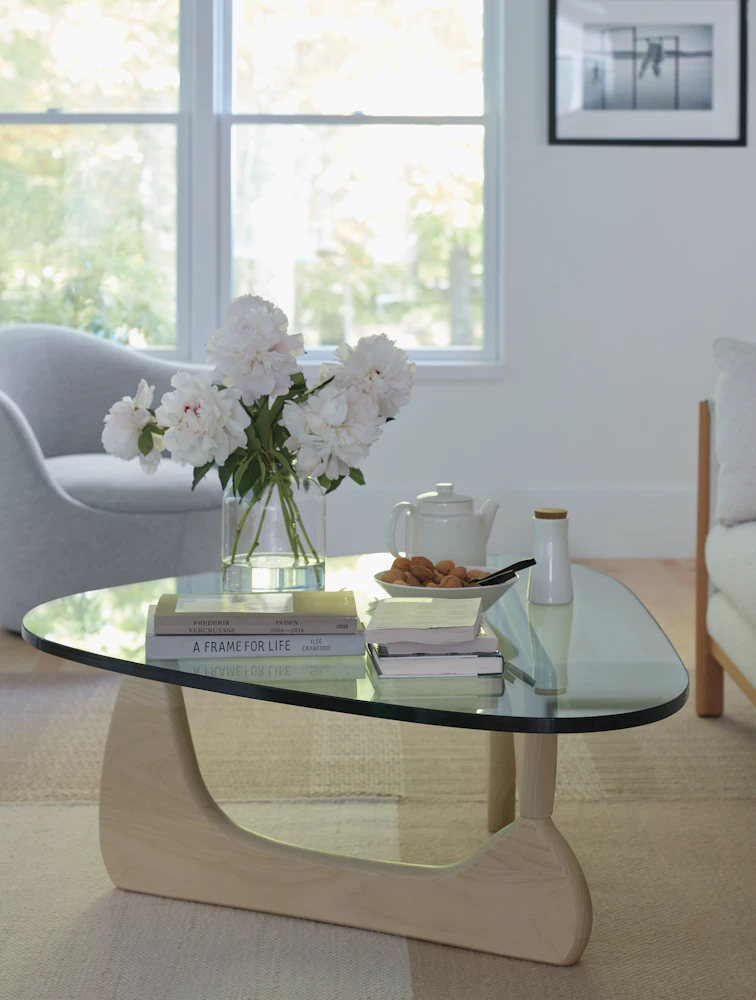
Books work particularly well on the glass surface. Stack two or three art or design books to create height variation without obscuring the base's sculptural form. The glass top allows the interlocking wood base to remain visible, so avoid placing large objects that block this key design feature.
Consider the table's organic curves when selecting complementary furniture. Pair it with clean-lined sofas and chairs that provide visual contrast to the table's flowing forms. The combination of rectilinear seating and biomorphic table creates dynamic tension in the room. Alternatively, echo the table's curves with rounded lounge chairs to create a cohesive organic aesthetic.
The wood base color should inform your broader material palette. Walnut bases pair beautifully with warm metals like brass and copper, while white ash or white oak bases complement cooler tones and Scandinavian-inspired interiors. Black poplar creates dramatic contrast in light-filled spaces.
The Noguchi Coffee Table combines two primary materials: a 0.75-inch thick glass top and a solid wood base. Herman Miller offers the base in four wood options: black poplar, walnut, white ash, or white oak.
The Noguchi Coffee Table measures 15.75 inches in height, 50 inches in width, and 36 inches in depth. These proportions create a low-profile silhouette that works well in front of sofas and seating arrangements. The table weighs 155 pounds, providing substantial stability despite its seemingly delicate appearance.
Isamu Noguchi, a Japanese-American artist and landscape architect, designed the Noguchi Coffee Table for Herman Miller. Noguchi once stated that "everything is sculpture," a philosophy evident in his approach to furniture design. This table represents Noguchi's belief that functional objects should engage users aesthetically and physically.
Herman Miller provides a 5-year warranty on the Noguchi Coffee Table, with specific terms and conditions that apply.