Ludwig Mies van der Rohe
GERMANY (1886–1969)
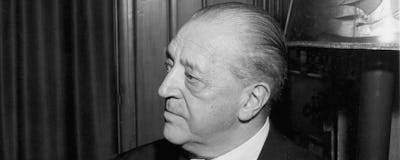
The modern city, with its towers of glass and steel, can be at least in part attributed to the influence of architect Ludwig Mies van der Rohe. Equally significant, if smaller in scale, is Mies’ daring design of furniture, pieces that exhibit an unerring sense of proportion as well as minimalist forms and exquisitely refined details. In fact, his chairs have been called architecture in miniature – exercises in structure and materials that achieve an extraordinary visual harmony as autonomous pieces and in relation to the interiors for which they were designed.
Mies van der Rohe began his career in architecture in Berlin, working first in the studio of Bruno Paul and then, like Le Corbusier and Walter Gropius, for Peter Behrens. In 1927, a housing project called Weissenhofsiedlung in Stuttgart, Germany, would bring these names together again. Widely believed to be one of the most notable projects in the history of modern architecture, it includes buildings by Gropius, Corbu, Behrens, Mies and others.
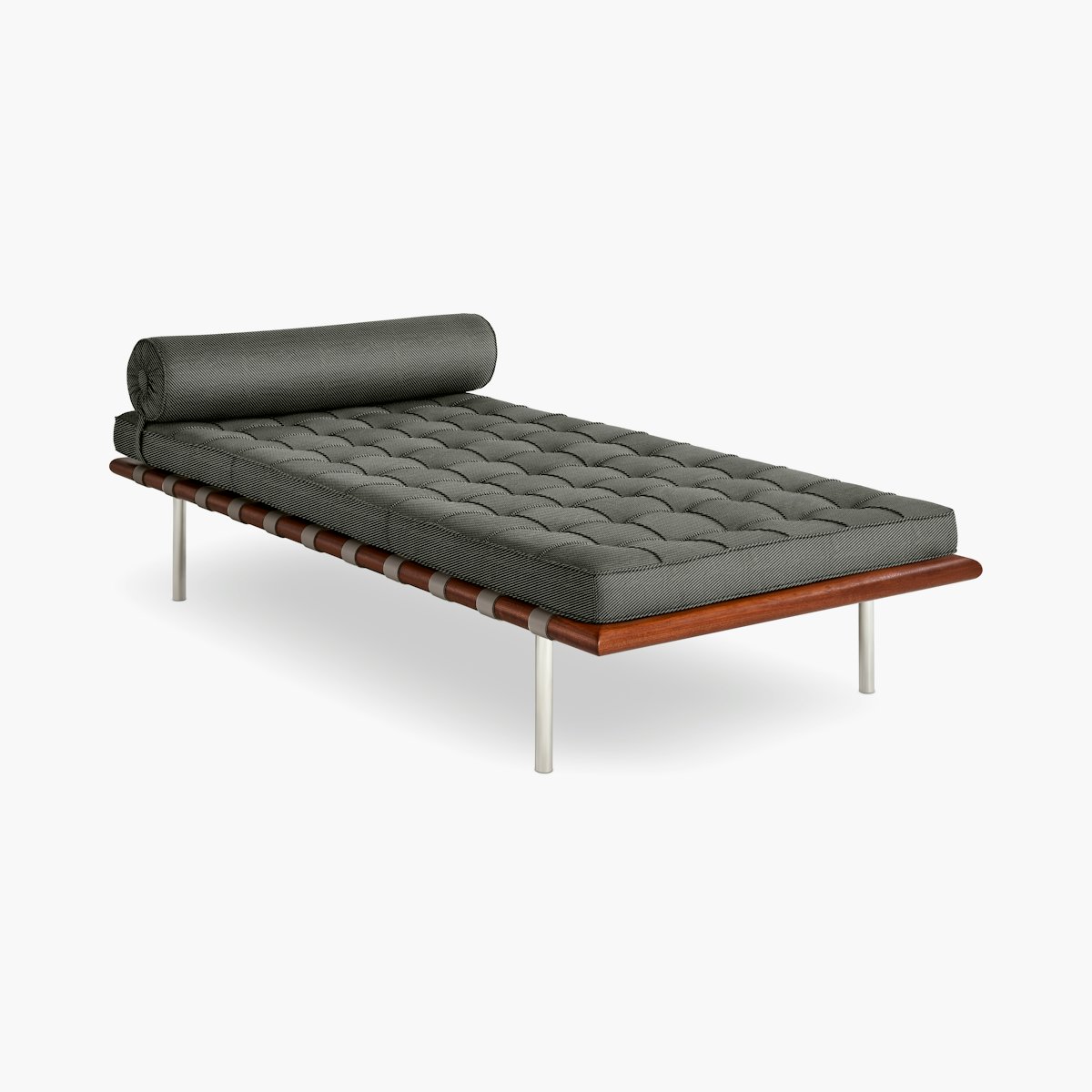
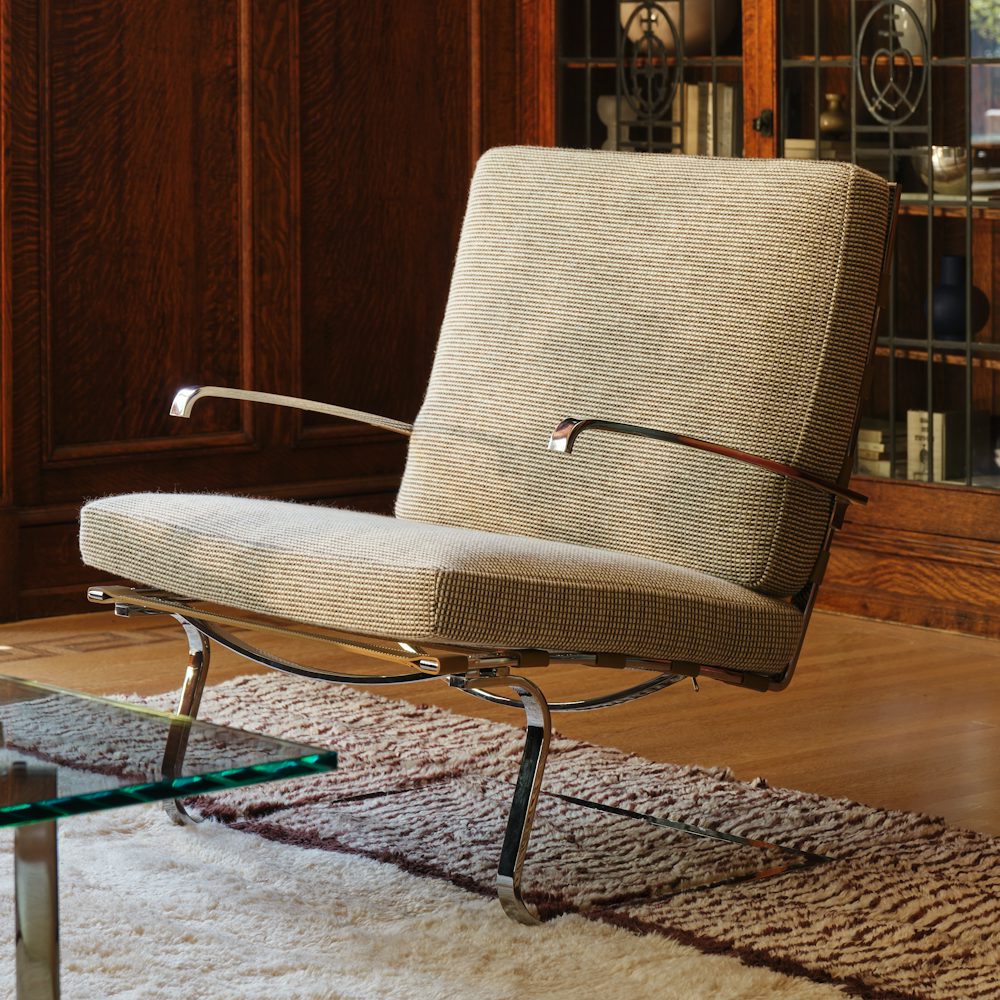
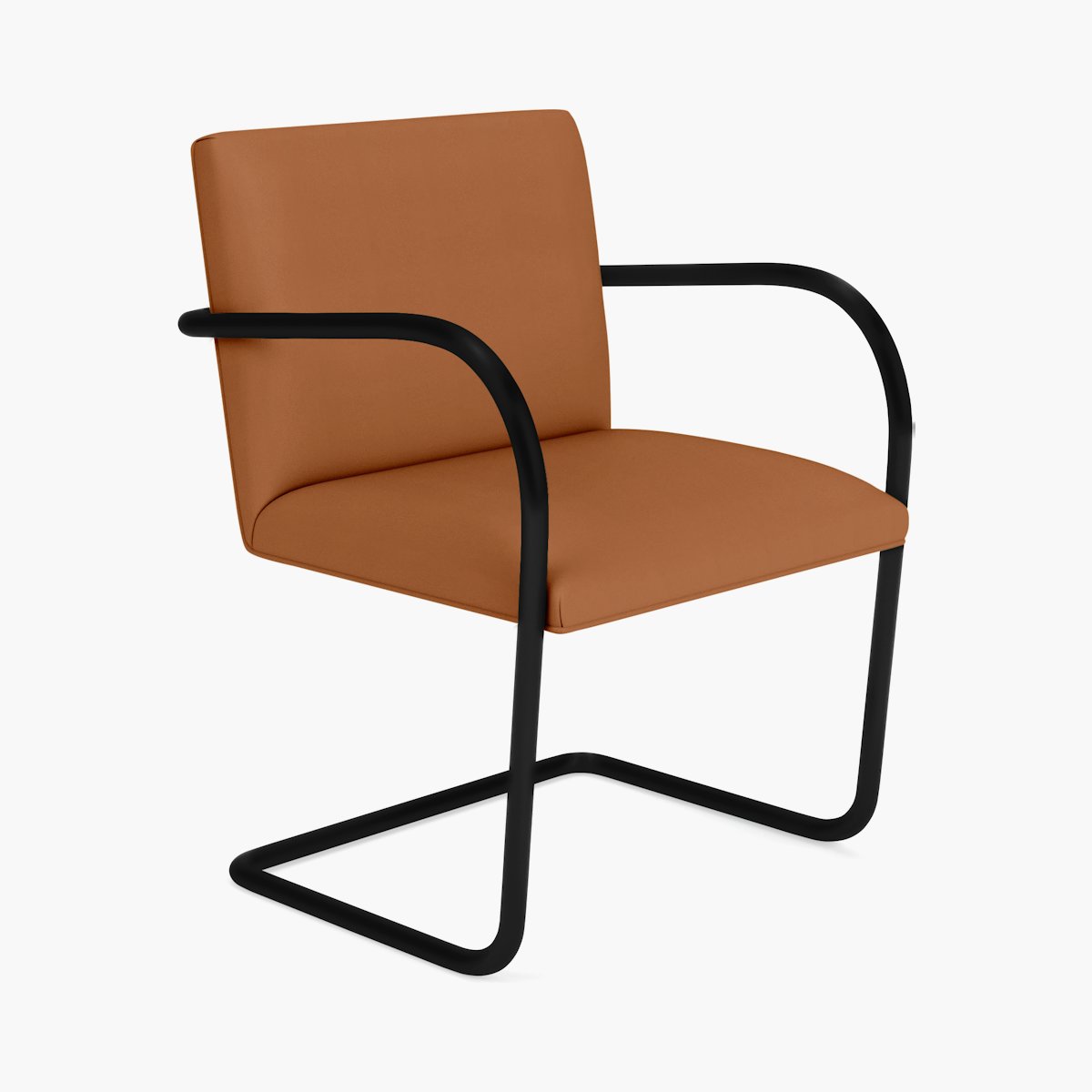
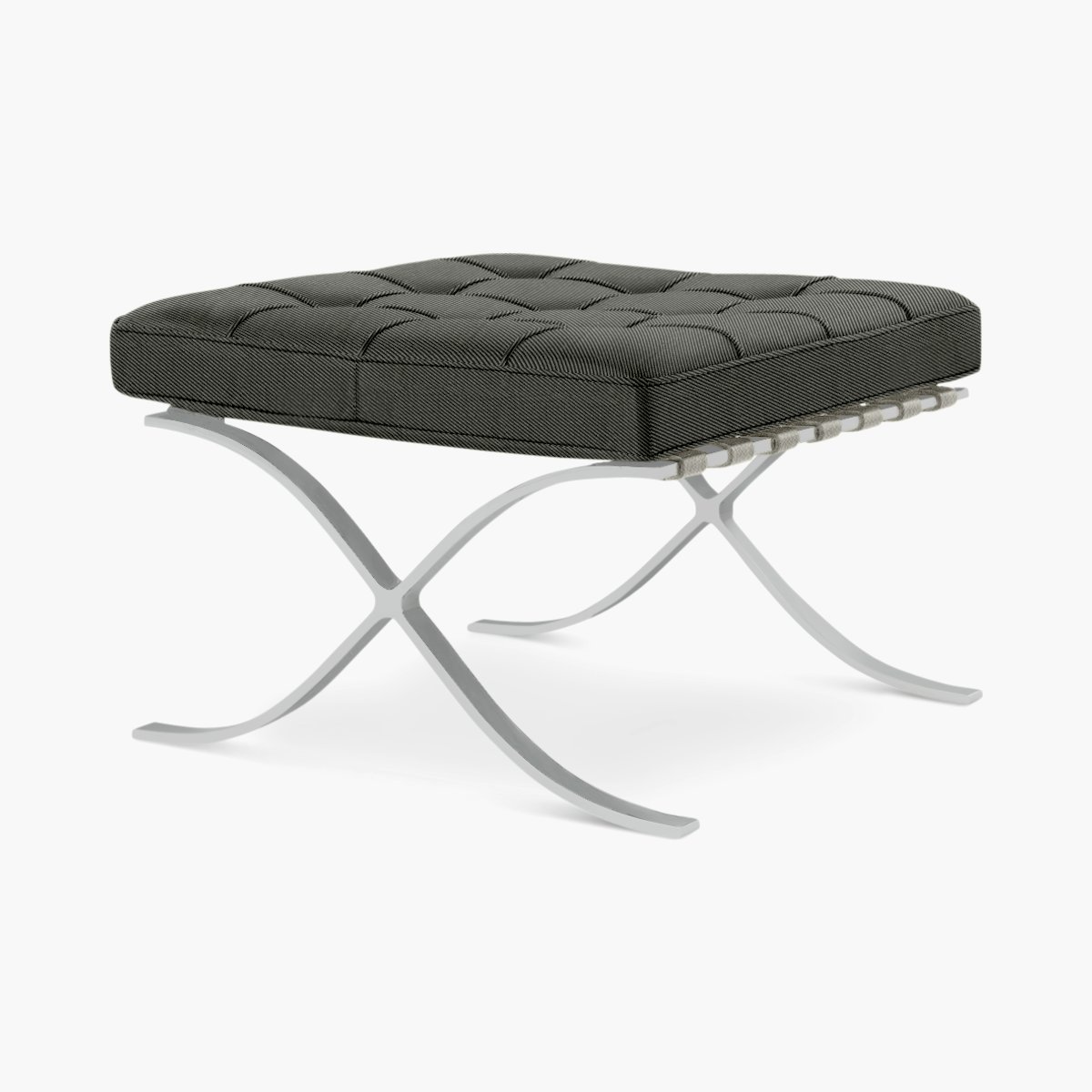
In 1928, Mies and his companion and colleague, designer and Bauhaus alumna Lilly Reich, were asked to design the German Pavilion for the 1929 International Exposition in Barcelona. The purpose of the Pavilion was to provide a location that could be visited by the king and queen of Spain during the opening of the Exposition. With that in mind, Mies designed a modern throne – known today as the Barcelona® Chair – for their majesties. In the following year, Mies designed another notable chair, the Brno, with a gravity-defying cantilevered base.
In 1930, Mies succeeded Walter Gropius as the director of the Bauhaus, where he stayed until the school closed in 1933. In 1937, Mies emigrated from Europe to the United States, and a year later became the director of architecture at the Illinois Institute of Technology. The rest of his career was devoted to promoting the modernist style of architecture in the United States, resulting in rigorously modern buildings such as the Farnsworth House and the Seagram Building, designed with Philip Johnson.
19
Results
19
Results
View


Original price:
C$ 8,720 to C$ 19,995. Current price: C$ 6,540
to
C$ 14,996 and 25 cents - 25% off
New options

Original price:
C$ 16,540 to C$ 37,250. Current price: C$ 12,405
to
C$ 27,937 and 50 cents - 25% off
New options


Original price:
C$ 5,455 to C$ 8,230. Current price: C$ 4,091 and 25 cents
to
C$ 6,172 and 50 cents - 25% off


Original price: C$ 4,220. Current price: C$ 3,165 - 25% off

Original price:
C$ 11,045 to C$ 14,670. Current price: C$ 8,283 and 75 cents
to
C$ 11,002 and 50 cents - 25% off

Original price:
C$ 4,900 to C$ 6,935. Current price: C$ 3,675
to
C$ 5,201 and 25 cents - 25% off

Original price:
C$ 10,095 to C$ 13,715. Current price: C$ 7,571 and 25 cents
to
C$ 10,286 and 25 cents - 25% off

Original price: $ 2,319. Current price: $ 1,739 and 25 cents - 25% off



Original price:
C$ 4,085 to C$ 9,450. Current price: C$ 3,063 and 75 cents
to
C$ 7,087 and 50 cents - 25% off
New options


Original price: C$ 5,615. Current price: C$ 4,211 and 25 cents - 25% off

Original price:
C$ 9,180 to C$ 10,640. Current price: C$ 6,885
to
C$ 7,980 - 25% off

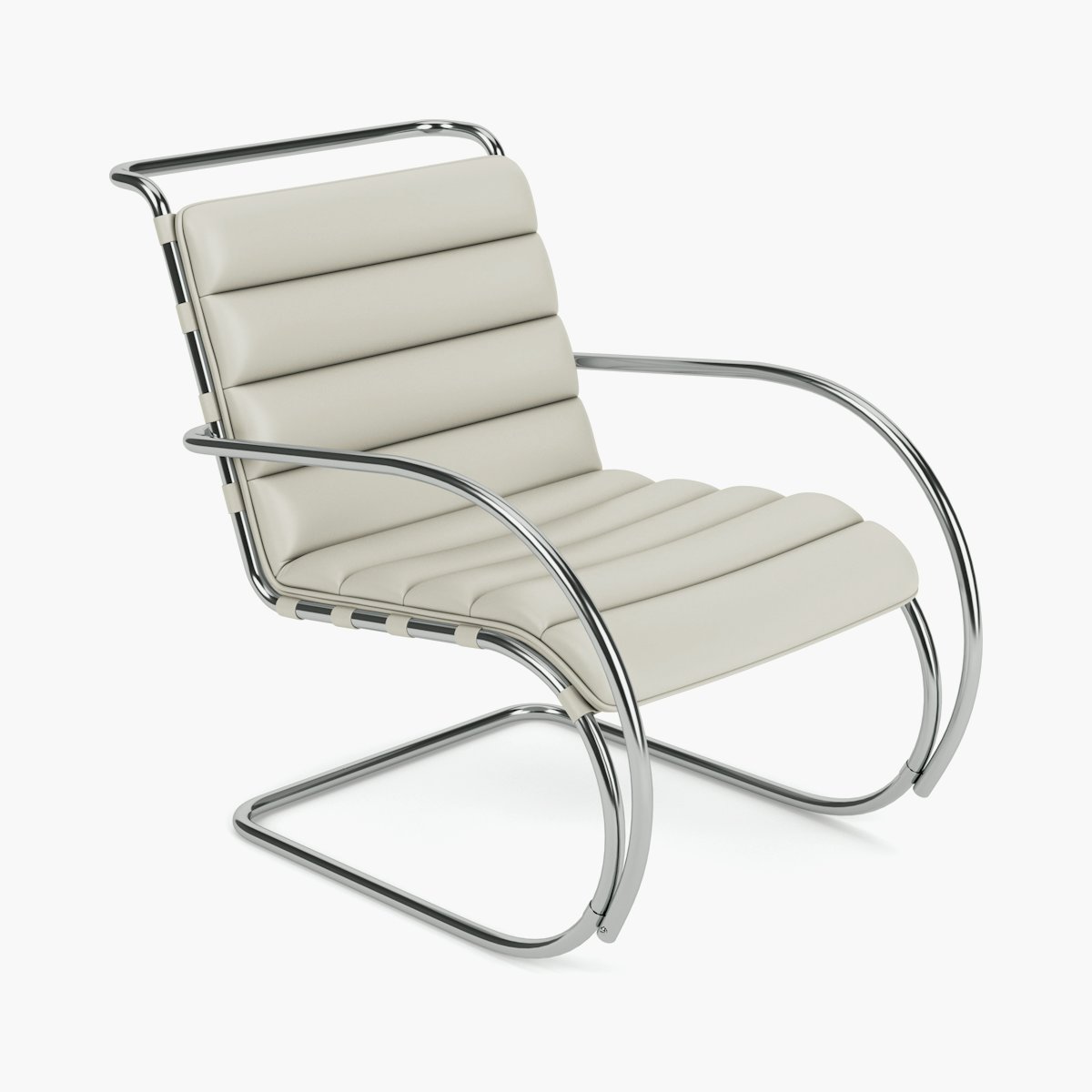
Original price:
C$ 10,190 to C$ 11,650. Current price: C$ 7,642 and 50 cents
to
C$ 8,737 and 50 cents - 25% off


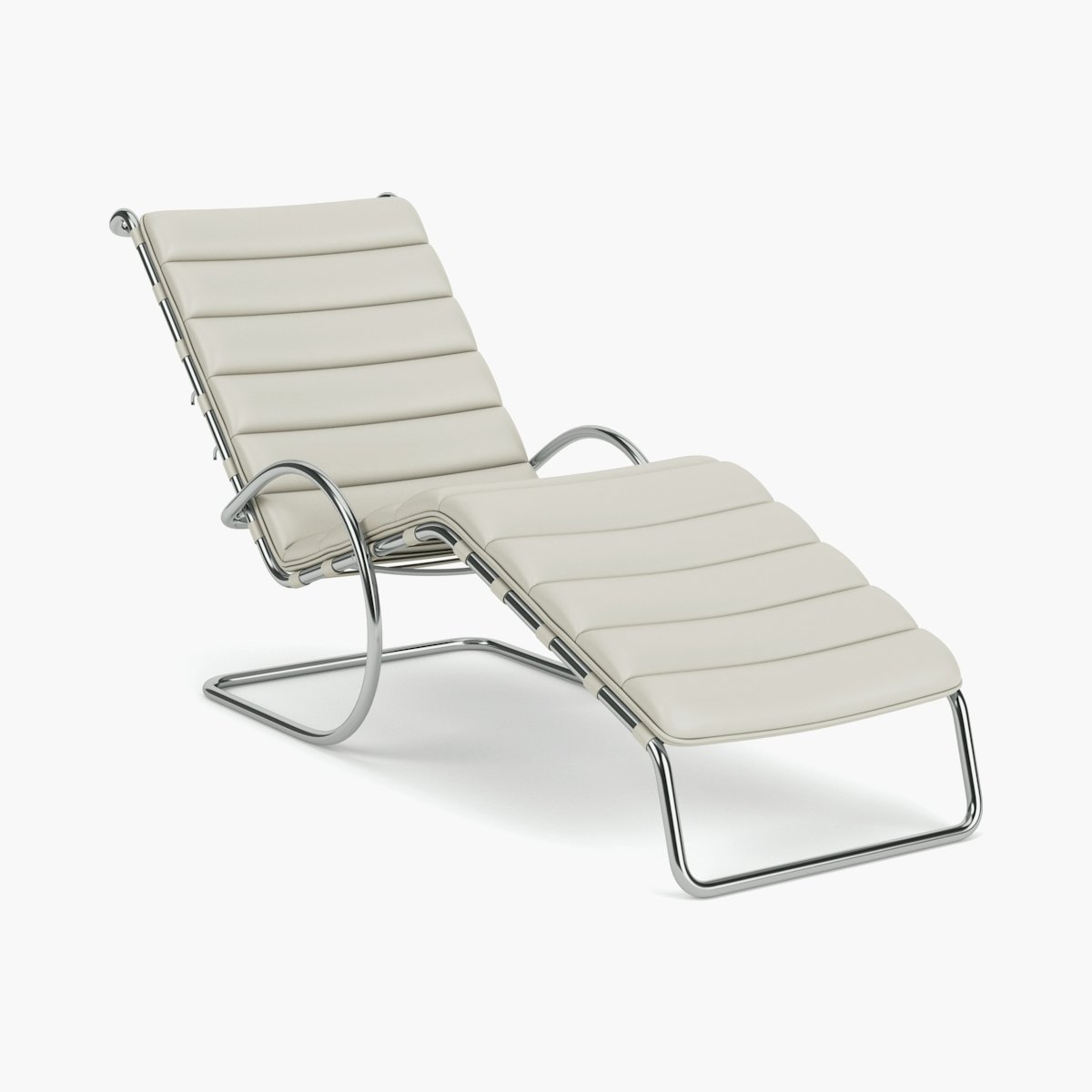

Original price:
C$ 15,040 to C$ 17,415. Current price: C$ 11,280
to
C$ 13,061 and 25 cents - 25% off


Original price: C$ 4,785. Current price: C$ 3,588 and 75 cents - 25% off


Original price: C$ 4,540. Current price: C$ 3,405 - 25% off