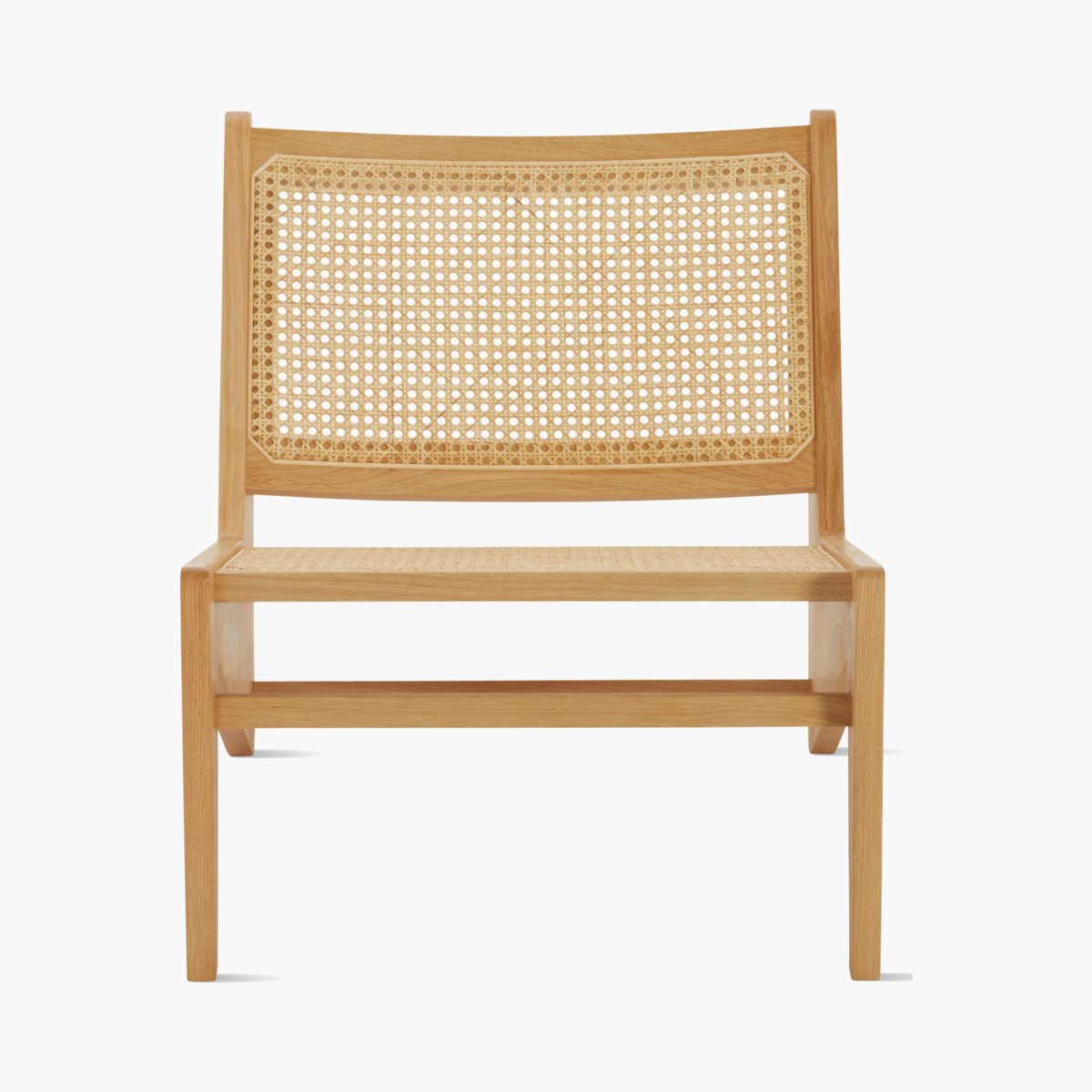
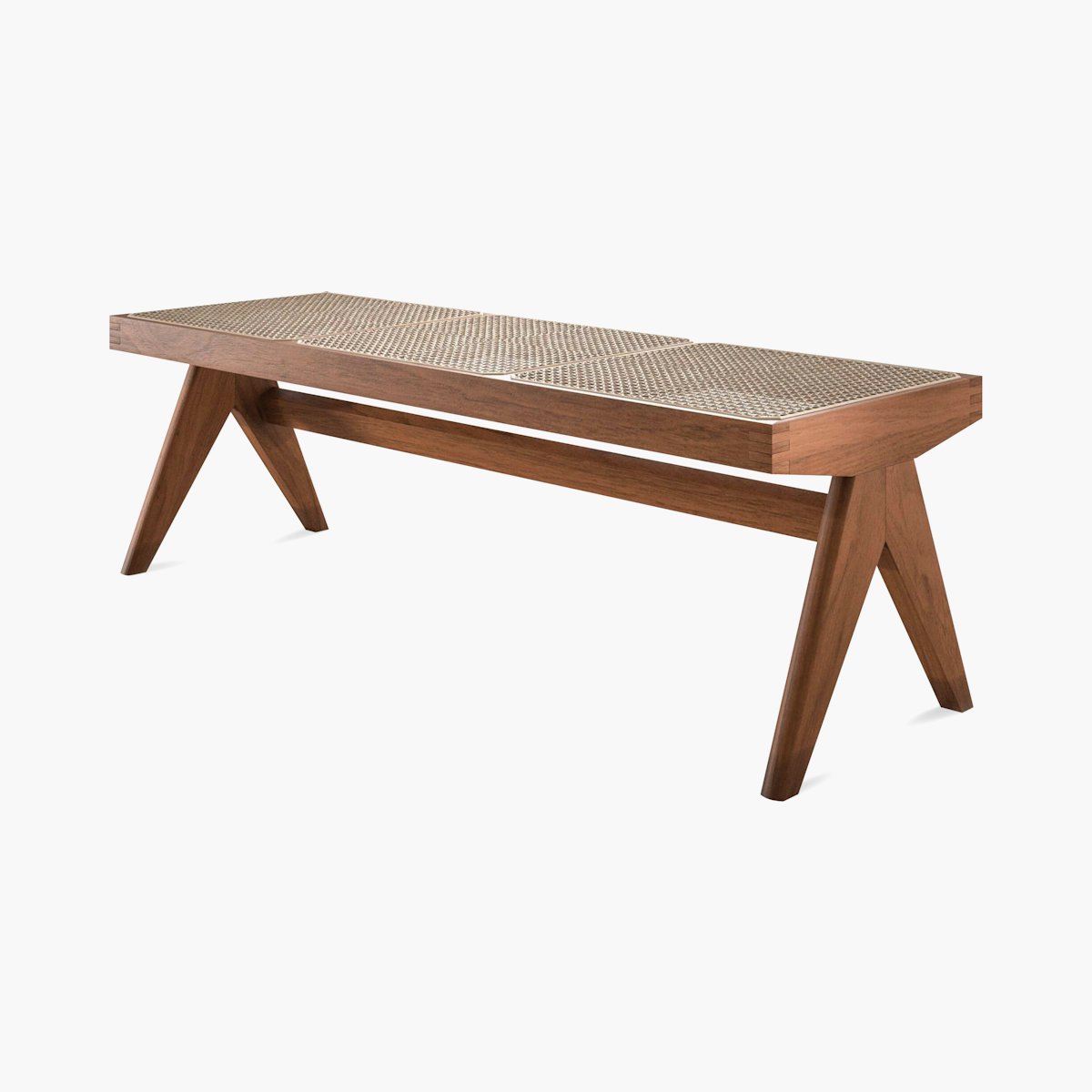
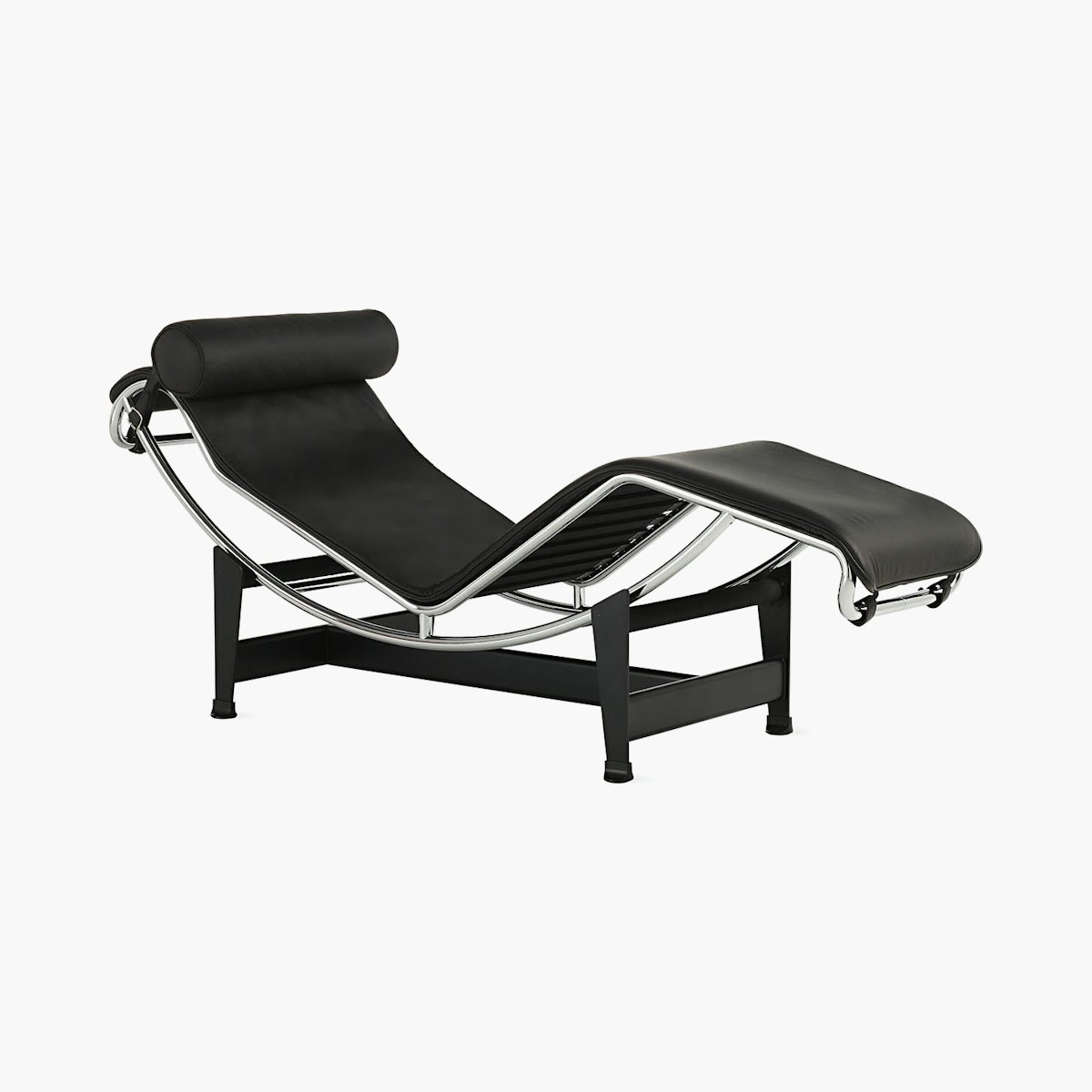
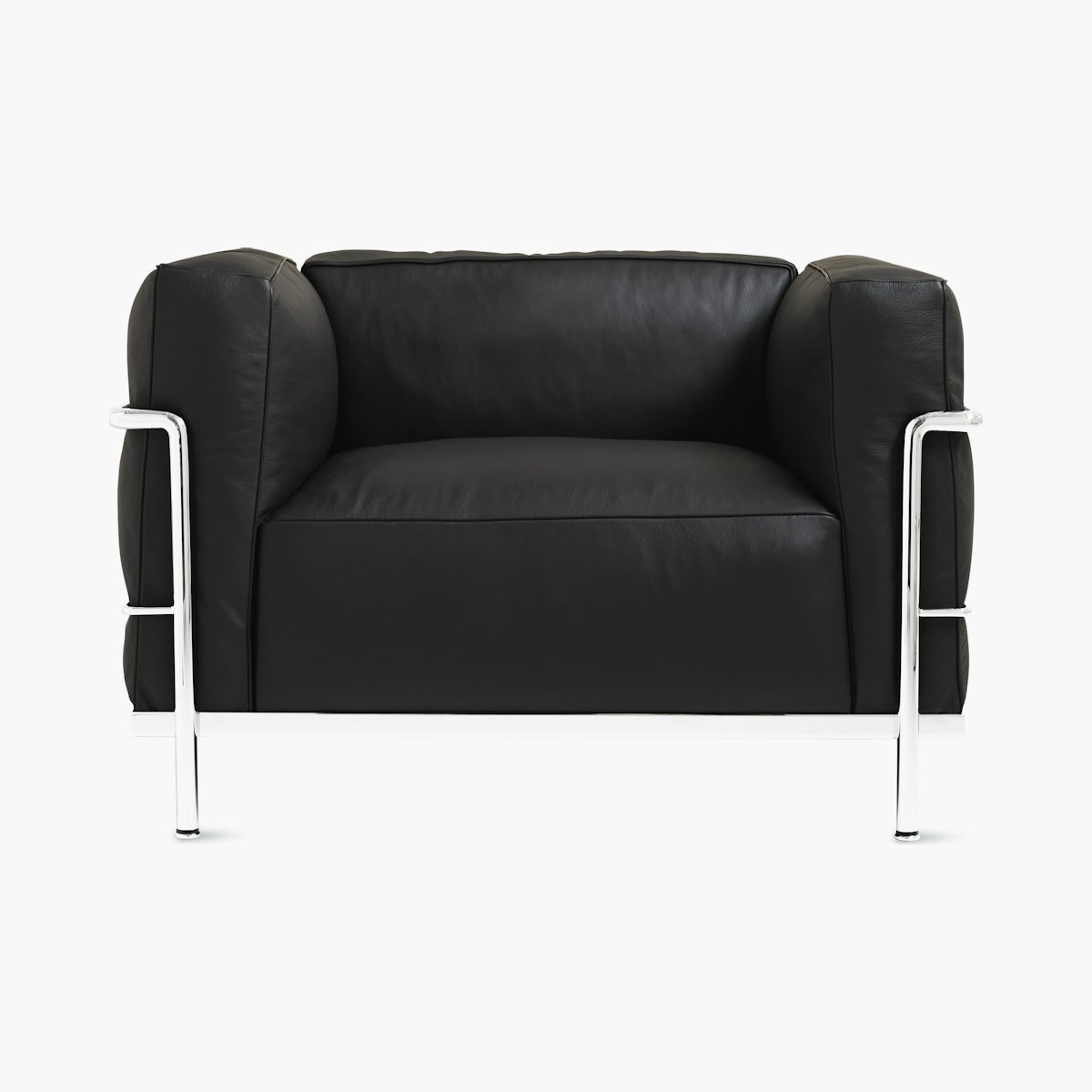
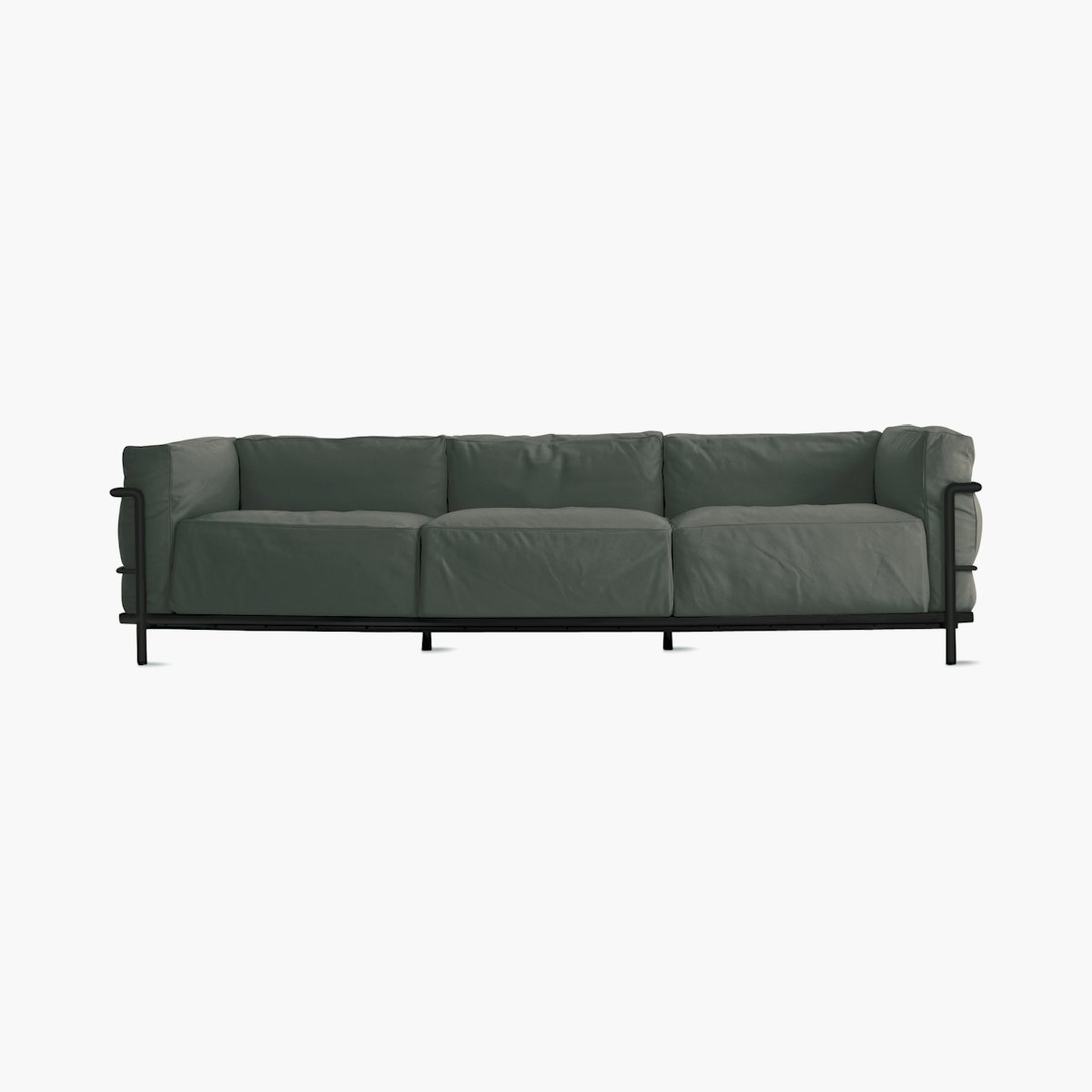
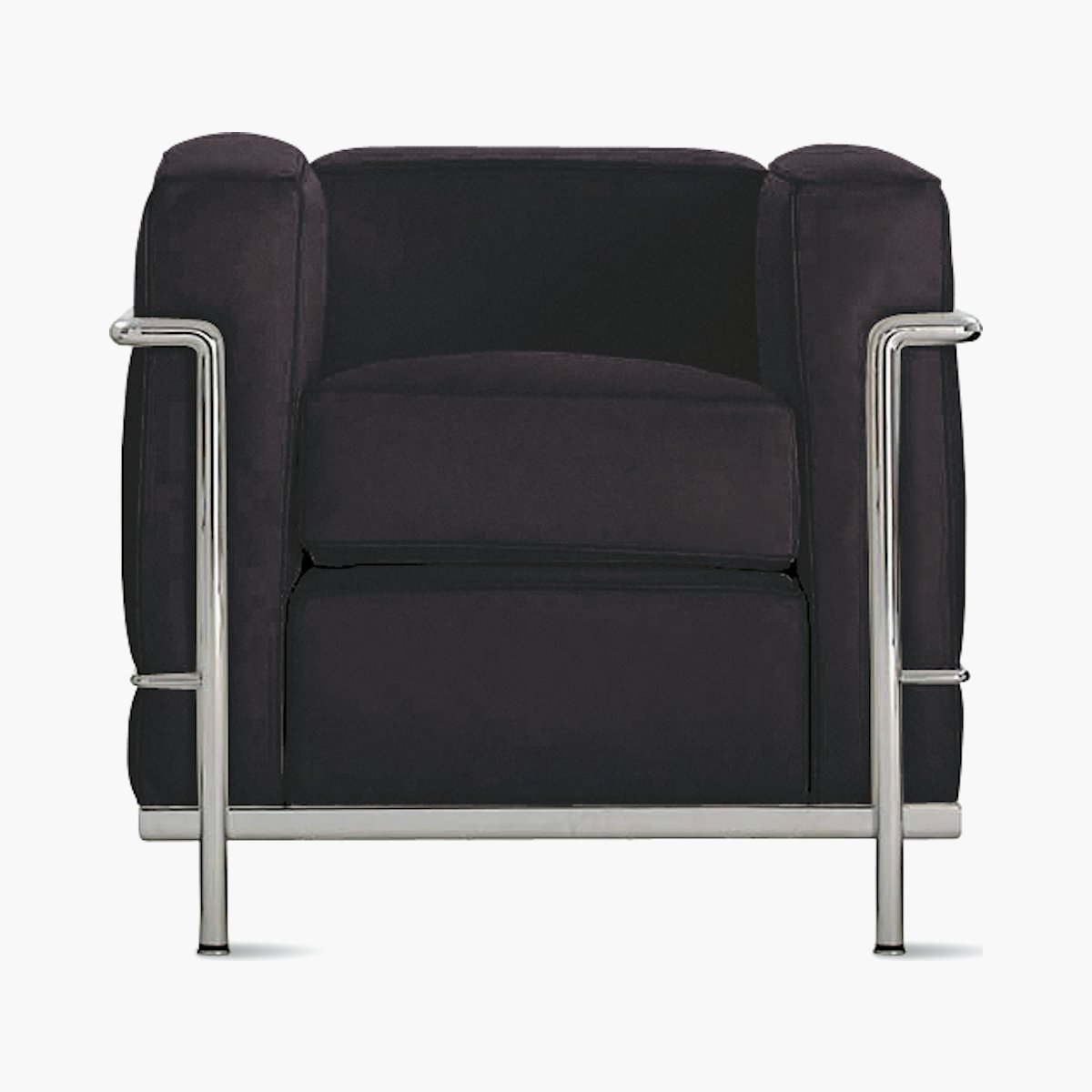
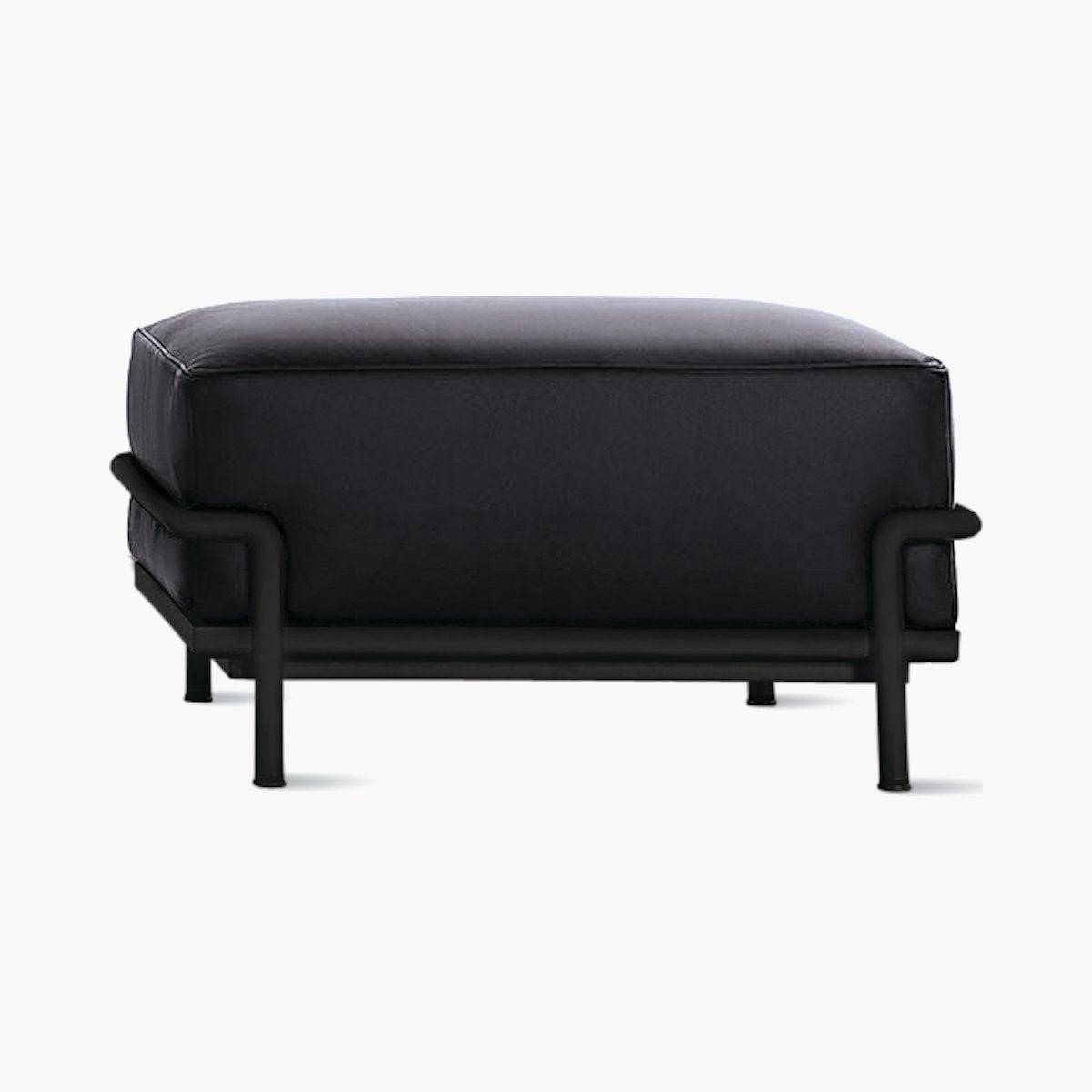
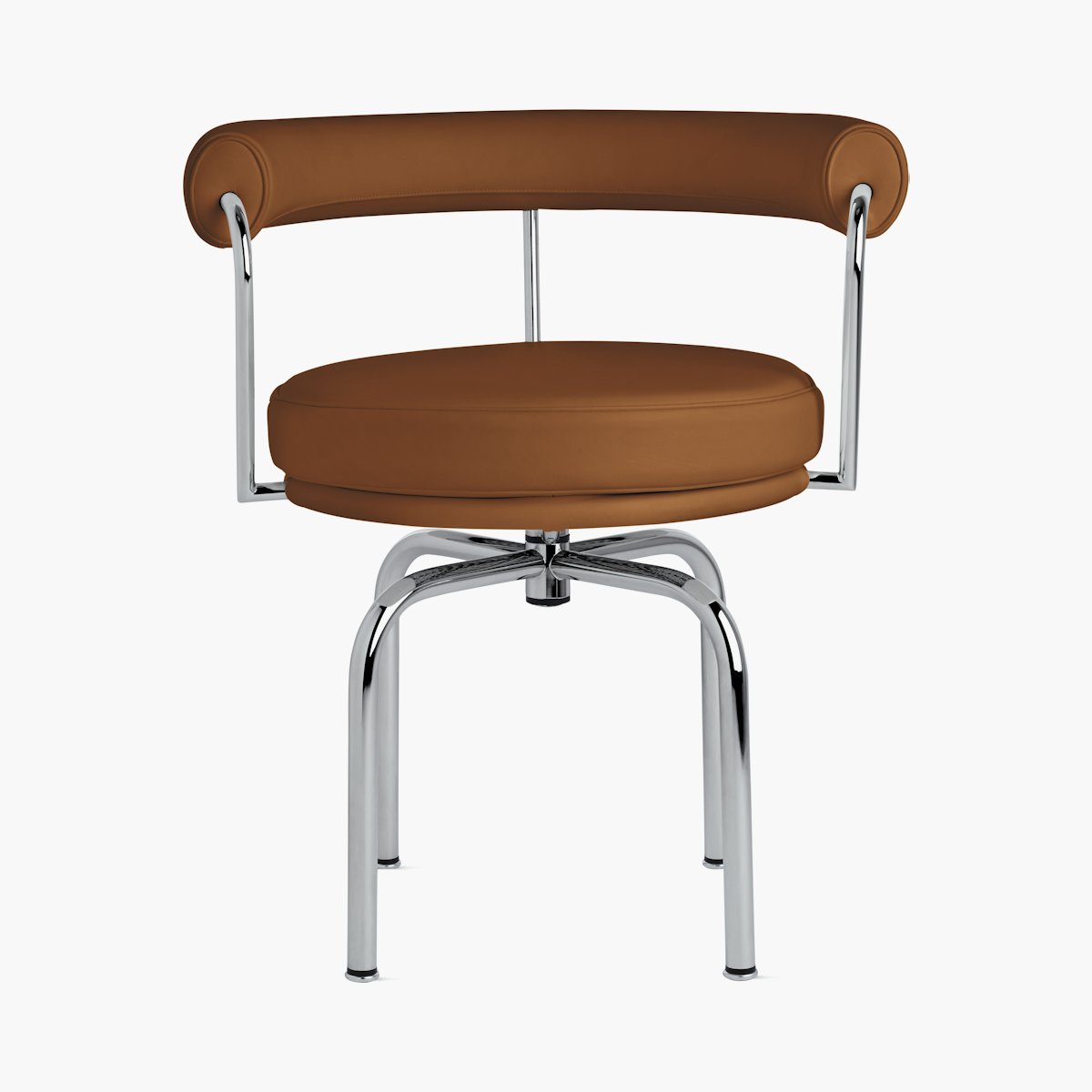
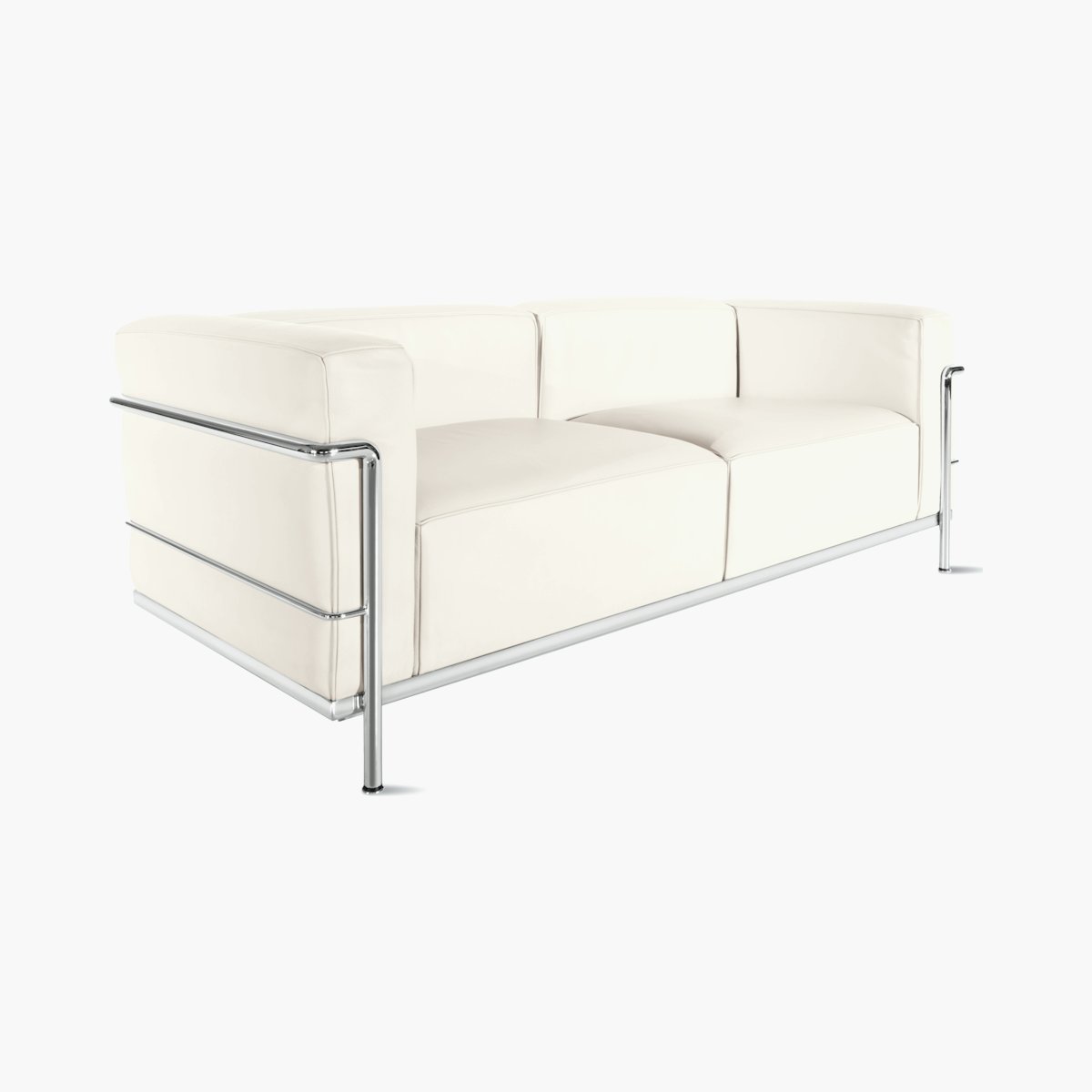
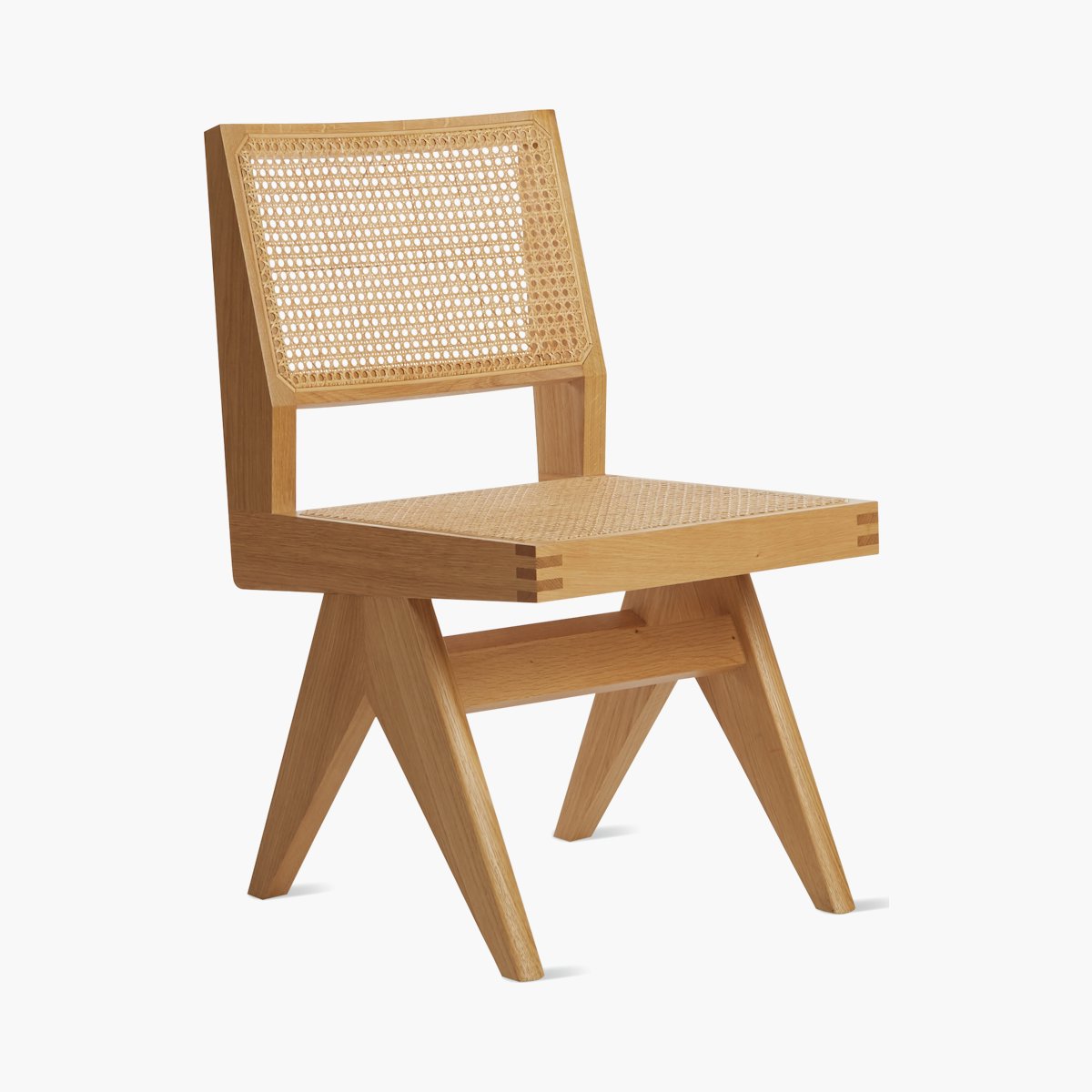
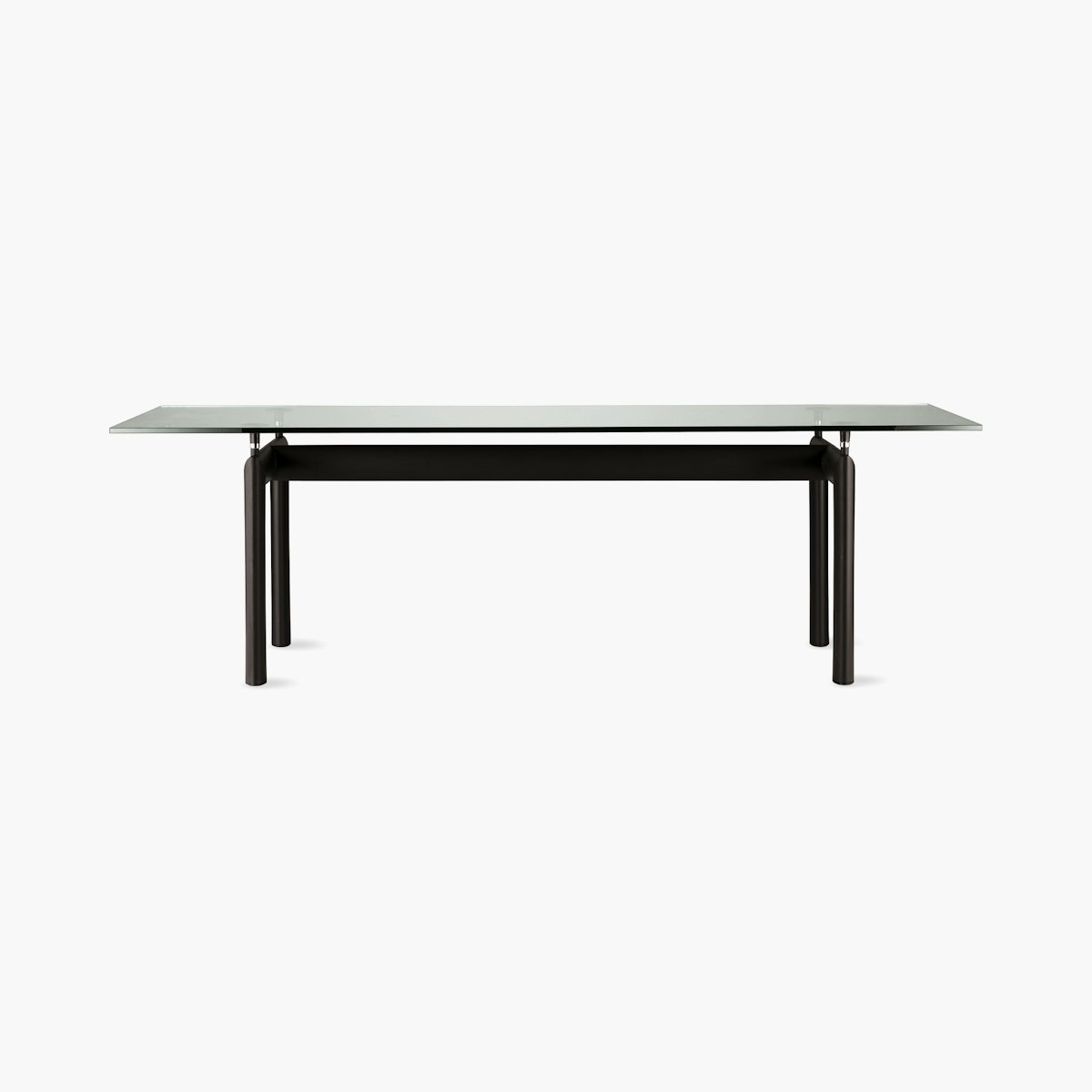
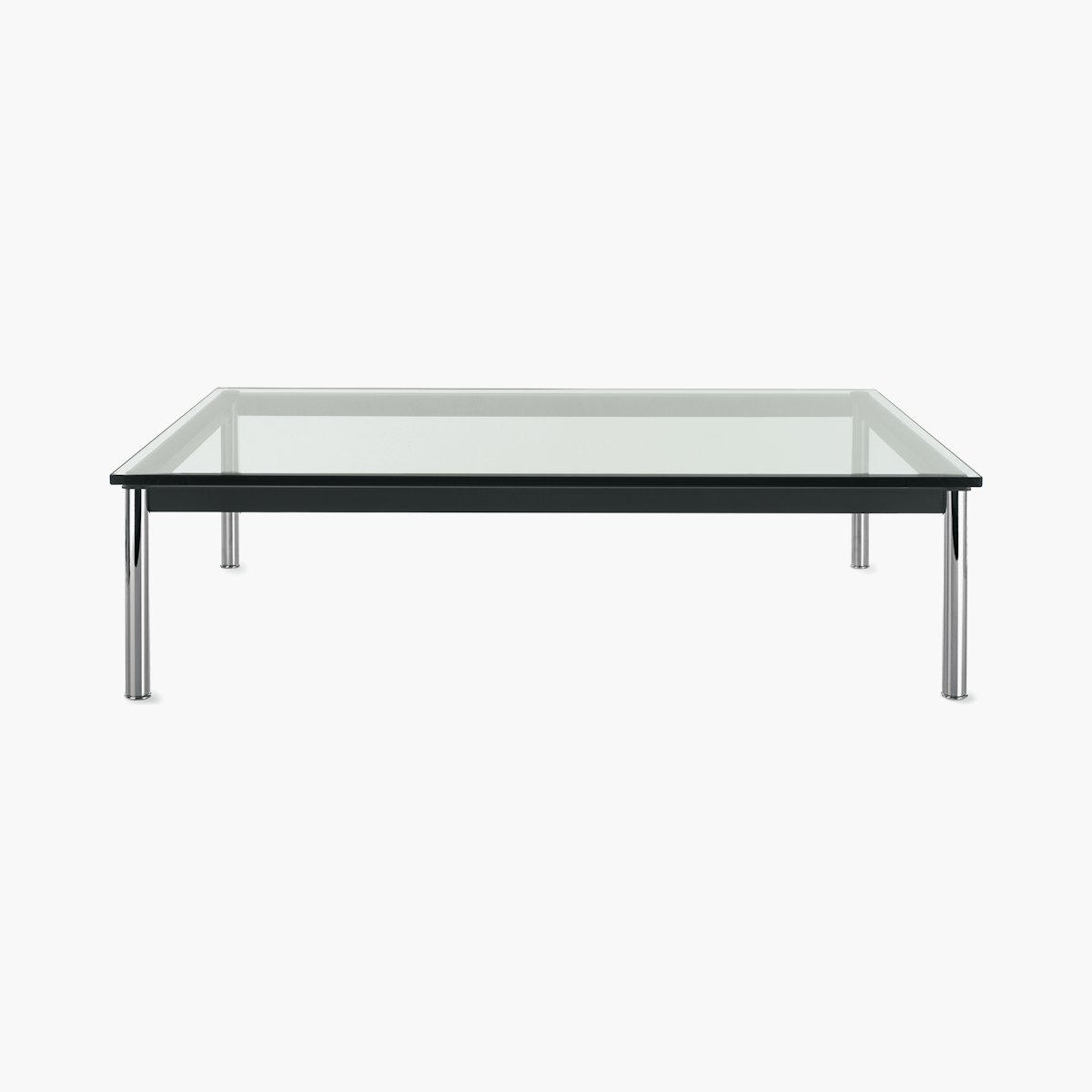
It is the fate of history that architect and furniture designer Pierre Jeanneret will be best remembered for his collaborations with his famous cousin, Charles-Édouard Jeanneret-Gris (aka, Le Corbusier). The two began their partnership in 1922 with the Villa Besnus outside Paris. This famous familial duo went on to create some of the most esteemed icons of midcentury modernism, including the Villa Savoye in Poissy, France, and the Grand Modele seating collection.
During his partnership with Corbusier, Jeanneret also worked extensively with Charlotte Perriand, and they joined forces with Jean Prouvé in 1940 to research the potential of prefabricated housing. Then came World War II, creating a shortage of materials – and a rift between Jeanneret and Corbusier that would last 10 years. Jeanneret, sympathizing with the Communists, joined the French resistance, while Corbusier’s authoritarian leanings led him to elicit work from the Vichy Government and Italian Fascists.
After the war, in 1950, Corbusier again approached his cousin, this time for a project on a much larger scale: designing the city of Chandigarh, India, the capital of Punjab. Jeanneret accepted, and Chandigarh – the first planned city in India – became his home for 15 years. Corbusier worked out the high-level aspects of the design, but it was Jeanneret who executed the plans. Gandhi Bhawan, his famous building on the campus of Punjab University, evokes a lotus flower floating on the water.
Jeanneret went on to become a revered figure in Indian architecture. He left his adopted home in ill health in 1965 to return to France, where he died in 1967.
During his partnership with Corbusier, Jeanneret also worked extensively with Charlotte Perriand, and they joined forces with Jean Prouvé in 1940 to research the potential of prefabricated housing. Then came World War II, creating a shortage of materials – and a rift between Jeanneret and Corbusier that would last 10 years. Jeanneret, sympathizing with the Communists, joined the French resistance, while Corbusier’s authoritarian leanings led him to elicit work from the Vichy Government and Italian Fascists.
After the war, in 1950, Corbusier again approached his cousin, this time for a project on a much larger scale: designing the city of Chandigarh, India, the capital of Punjab. Jeanneret accepted, and Chandigarh – the first planned city in India – became his home for 15 years. Corbusier worked out the high-level aspects of the design, but it was Jeanneret who executed the plans. Gandhi Bhawan, his famous building on the campus of Punjab University, evokes a lotus flower floating on the water.
Jeanneret went on to become a revered figure in Indian architecture. He left his adopted home in ill health in 1965 to return to France, where he died in 1967.
13
Results
13
Results
View