


Haven -
Fancy Twill -
Shipping + Delivery

Easy Returns
Not satisfied? Return items within 30 days. Learn More

Design Concierge
Need help designing your space? Learn more about our complimentary interior design services

Authenticity Guaranteed
This is an original, authenticated product.
Warranty
5-year warranty
Terms and conditions apply. Learn more

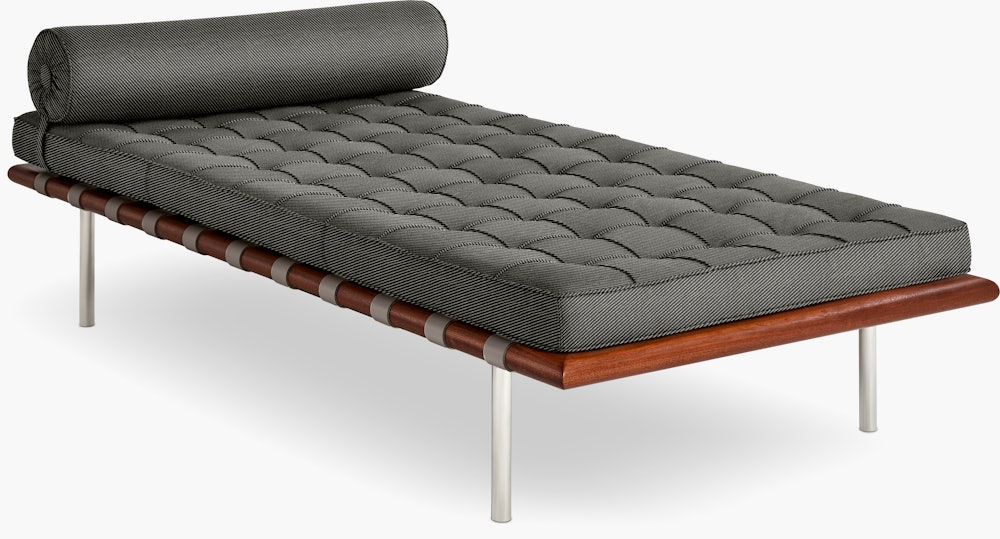
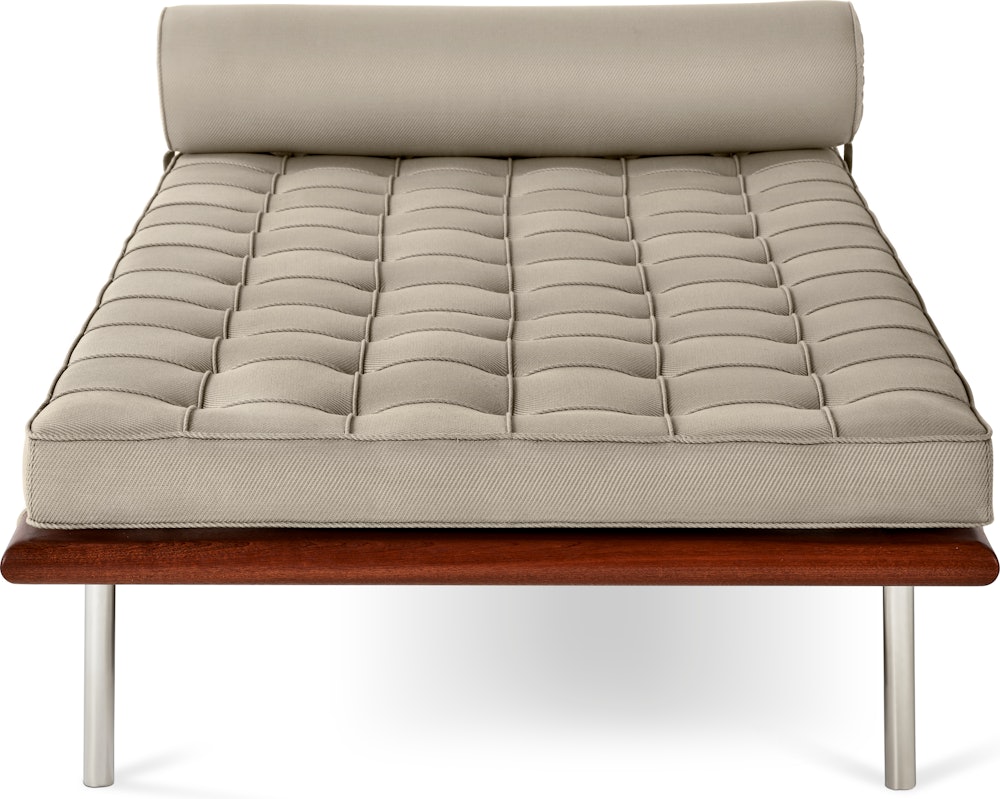
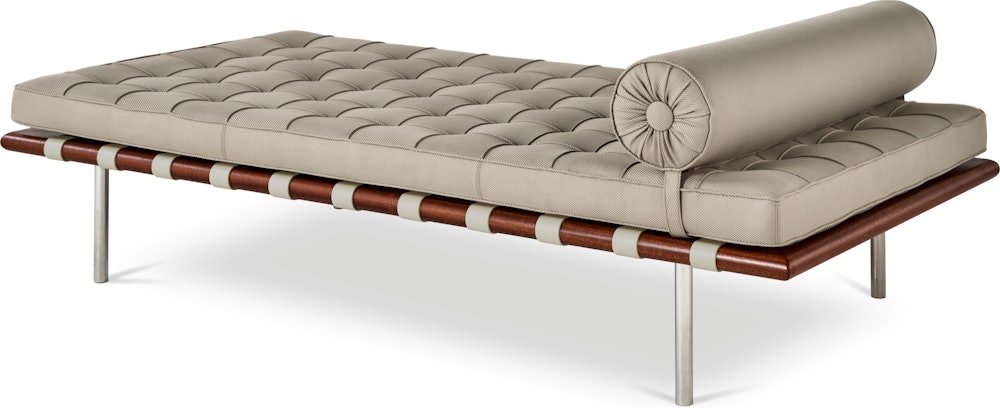
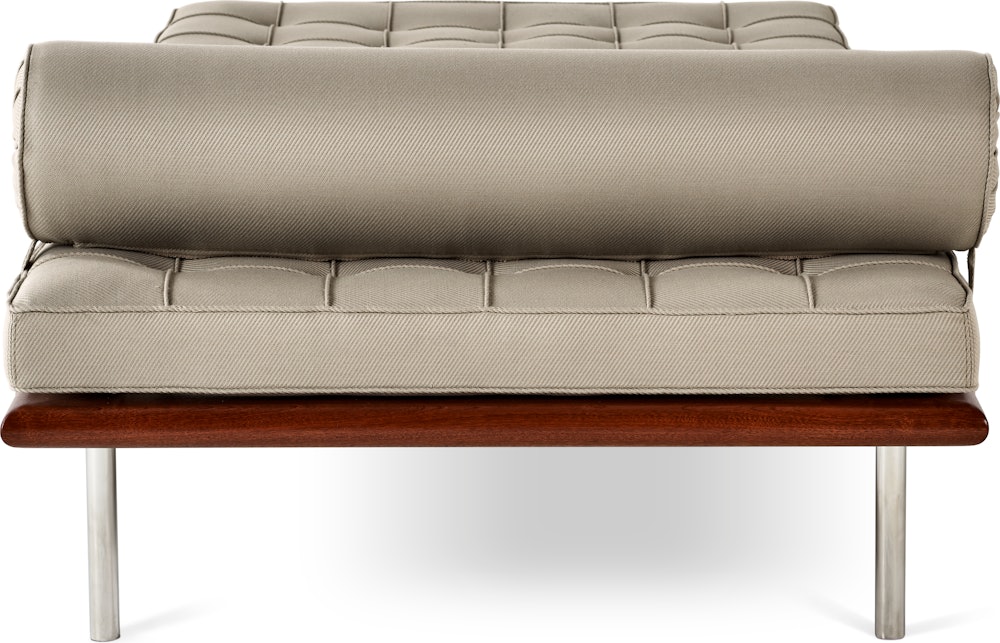
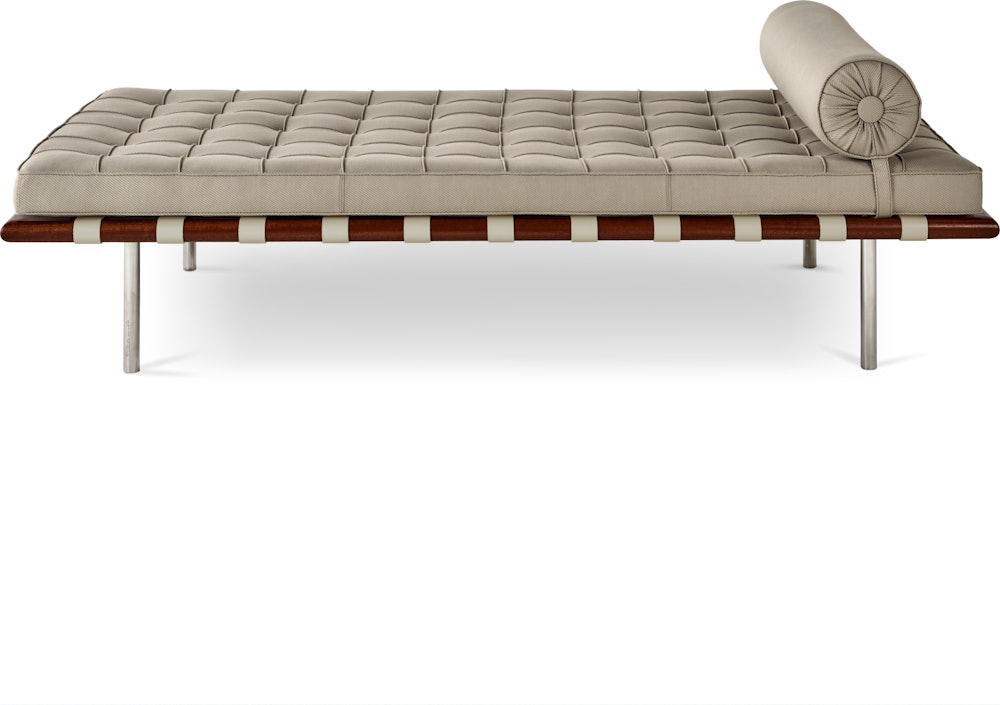
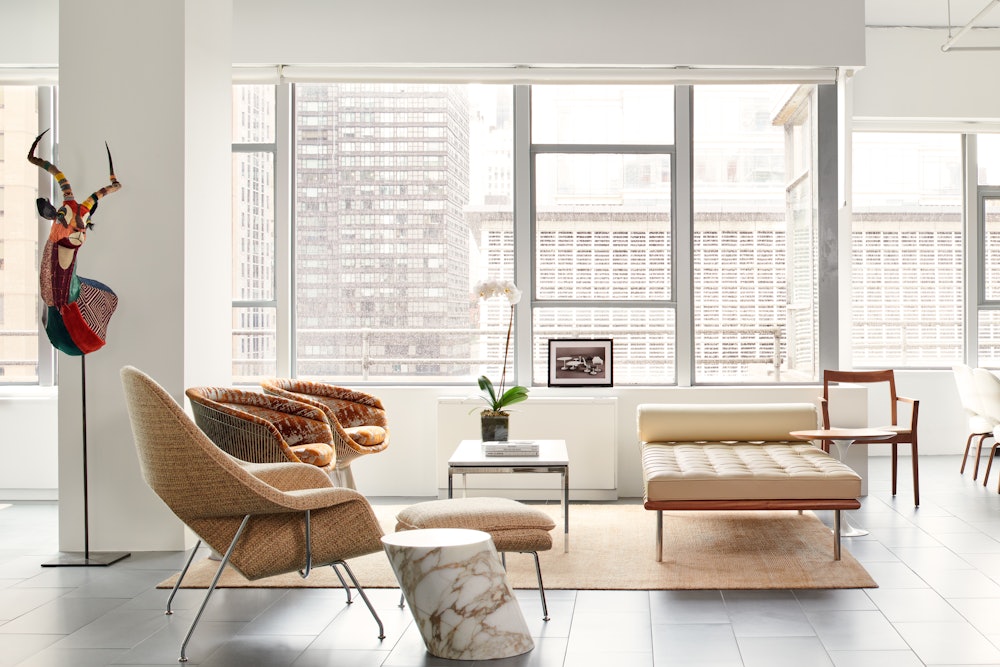
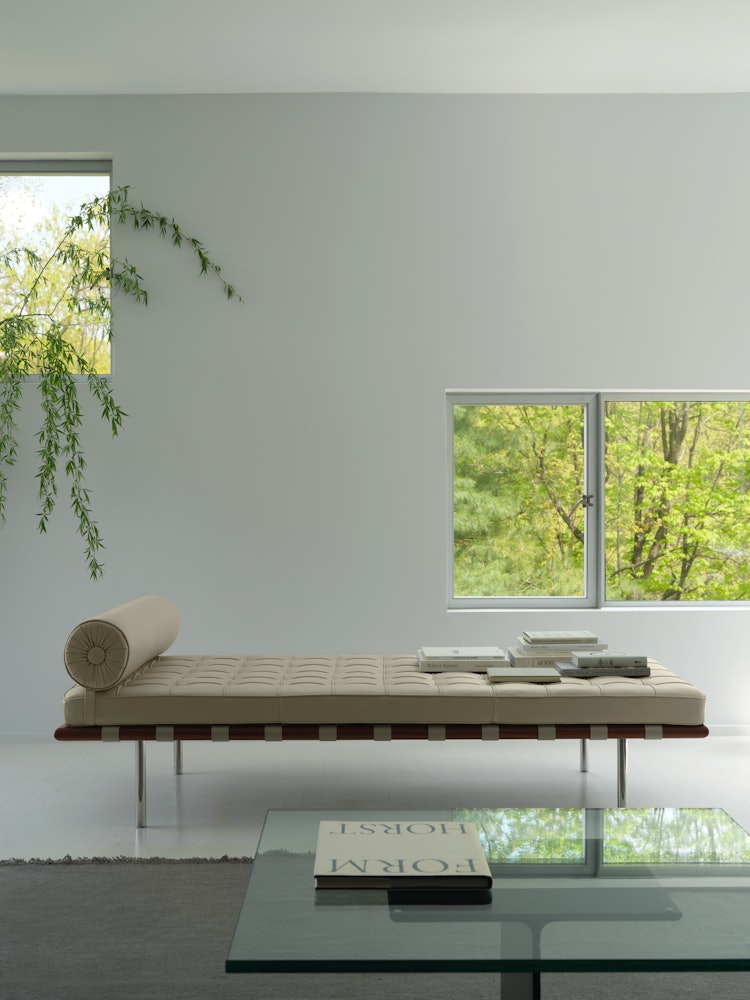
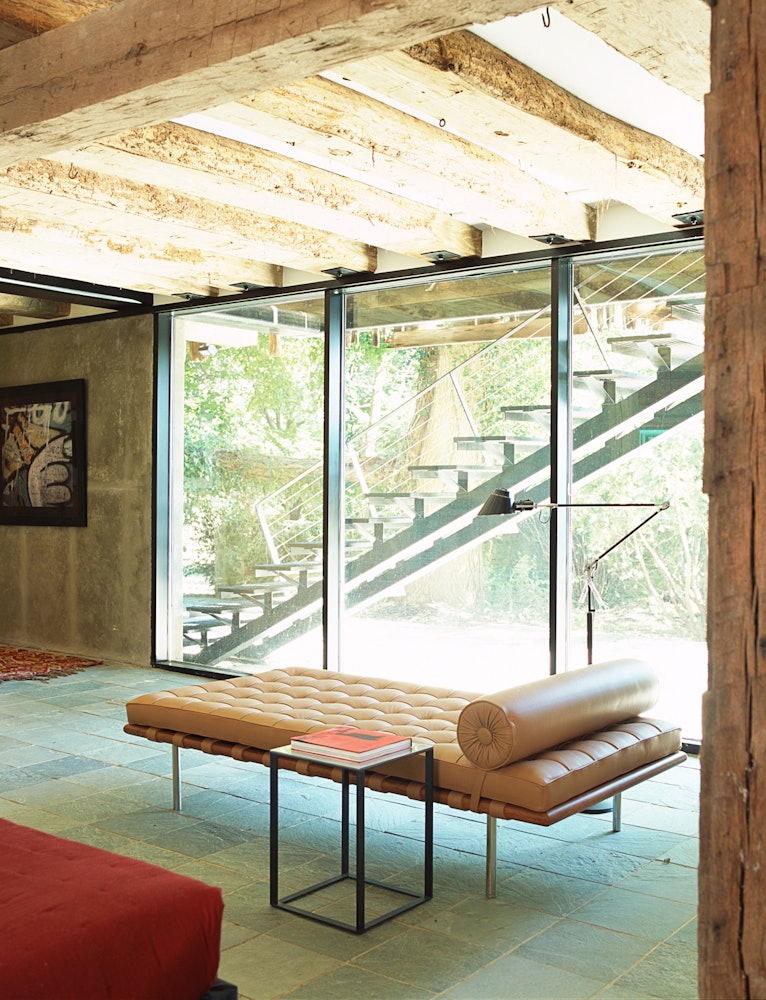
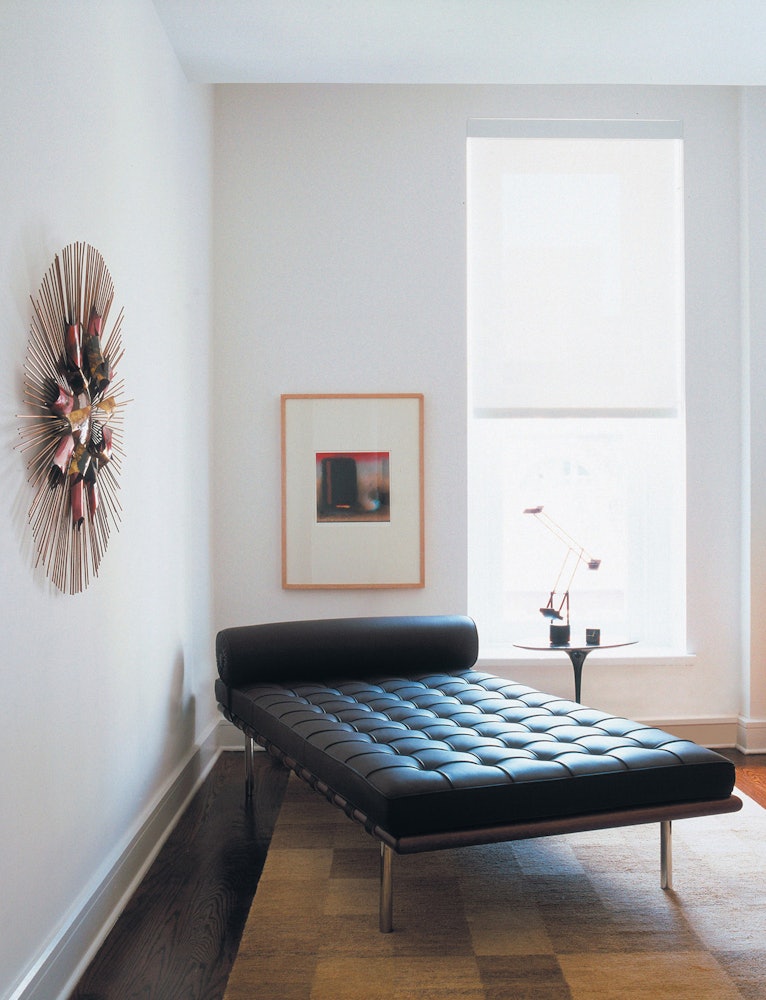
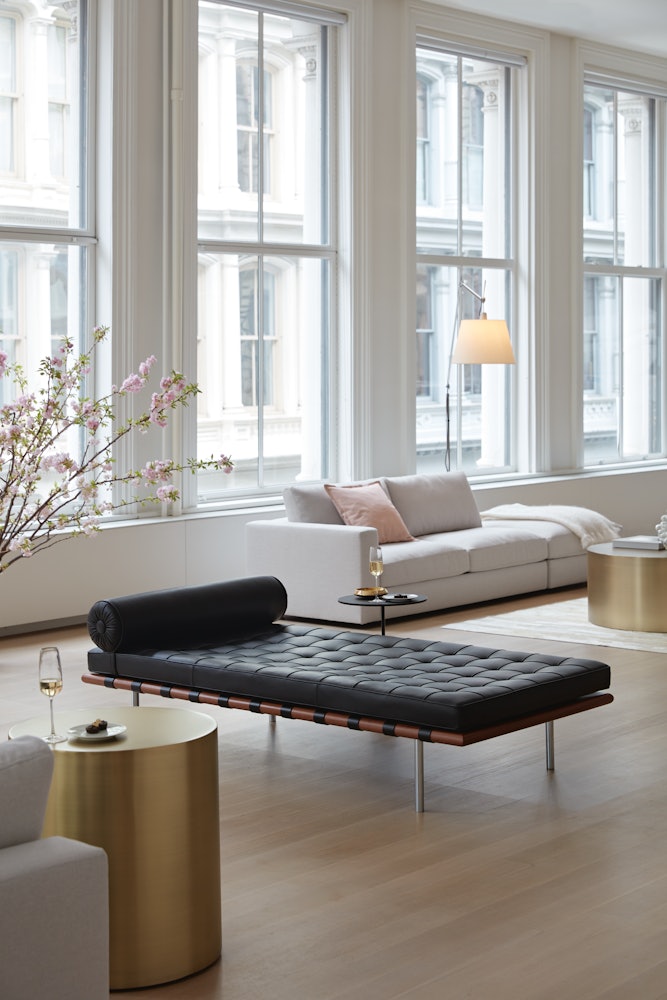
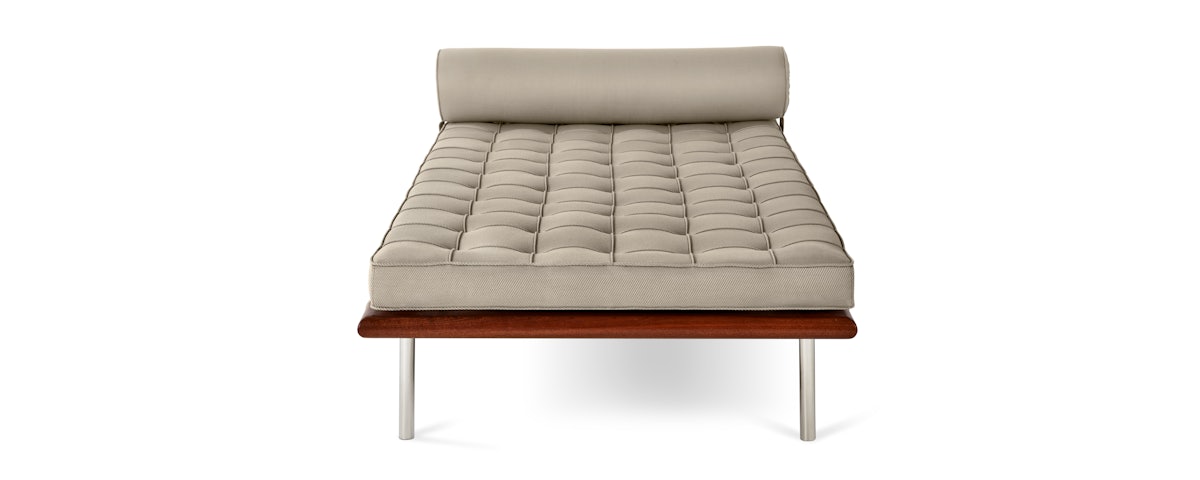
Barcelona Couch
You May Also Need
Item Number:510790
You may also like

Gallery
Details
- Produced according to the designer's original specifications.
- Icon of modernism and master craft.
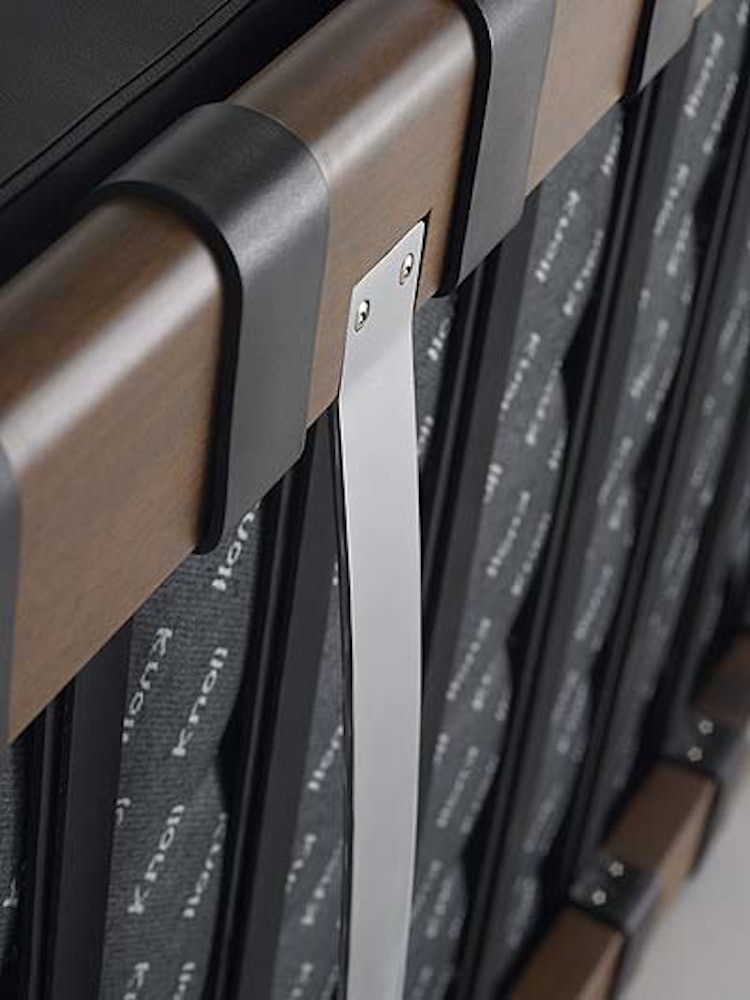
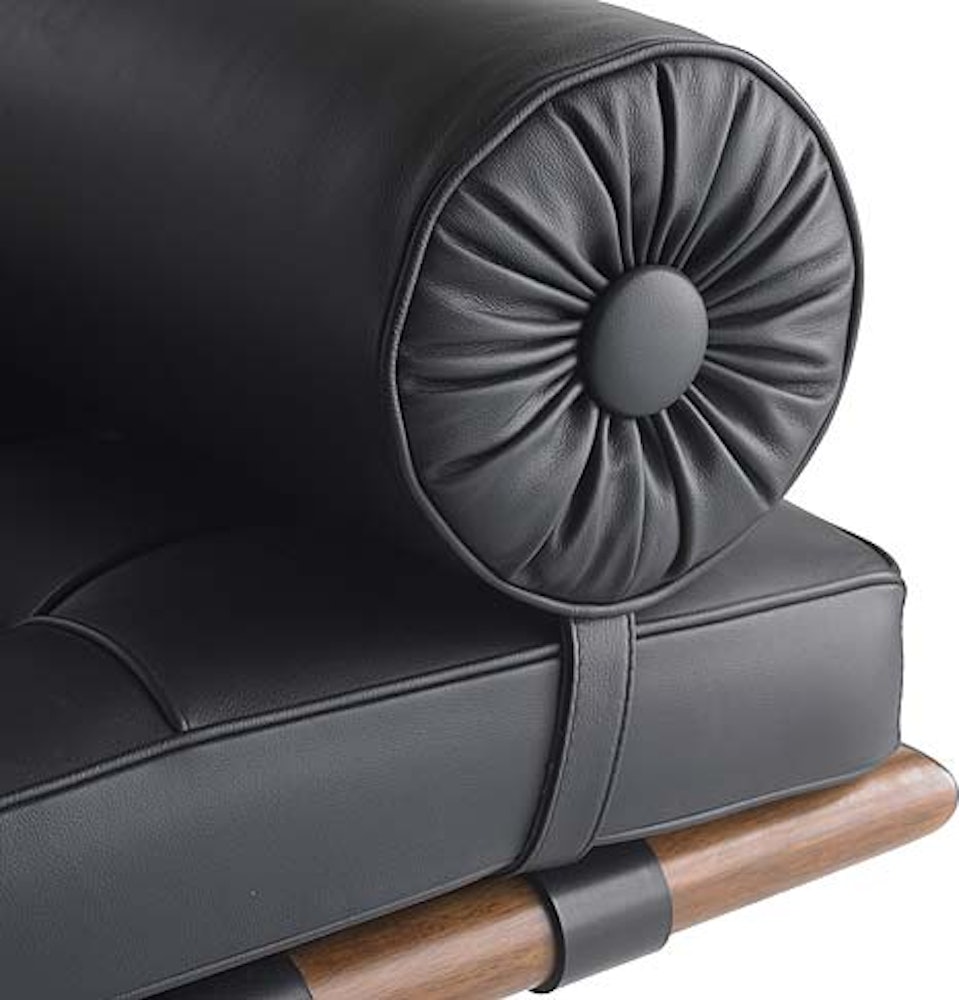
- Leather bolster cushion secured with straps and locking snaps.
- Brand
- Knoll®
- Collection
- Barcelona Collection
- General Dimensions
-
- 25" H 39" W 78" D
- Product Weight
- 84 lbs
- Assembly
- Comes fully assembled
- Warranty
-
5-year warranty
Terms and conditions apply. Learn more
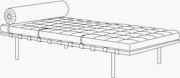
Barcelona Couch
- Height (in): 25
- Width (in): 39
- Depth (in): 78
- Weight (lbs): 84
- Seat Height (in): 15⅜
- Seat Width (in): 39
- Seat Depth (in): 78
- Leg Height (in): 15⅜
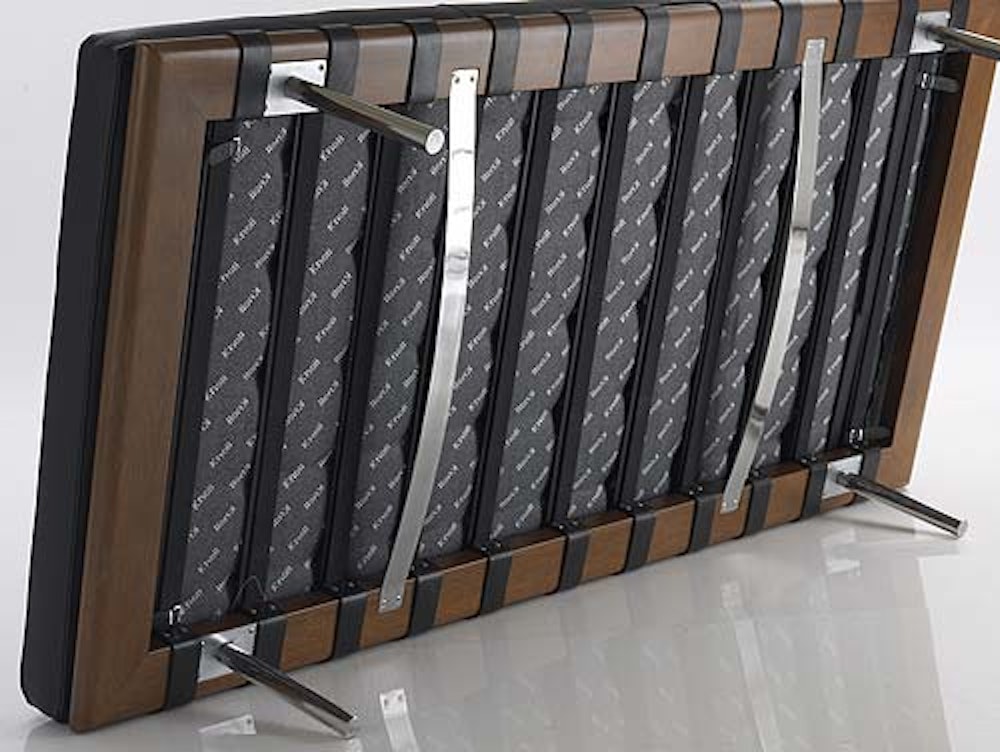
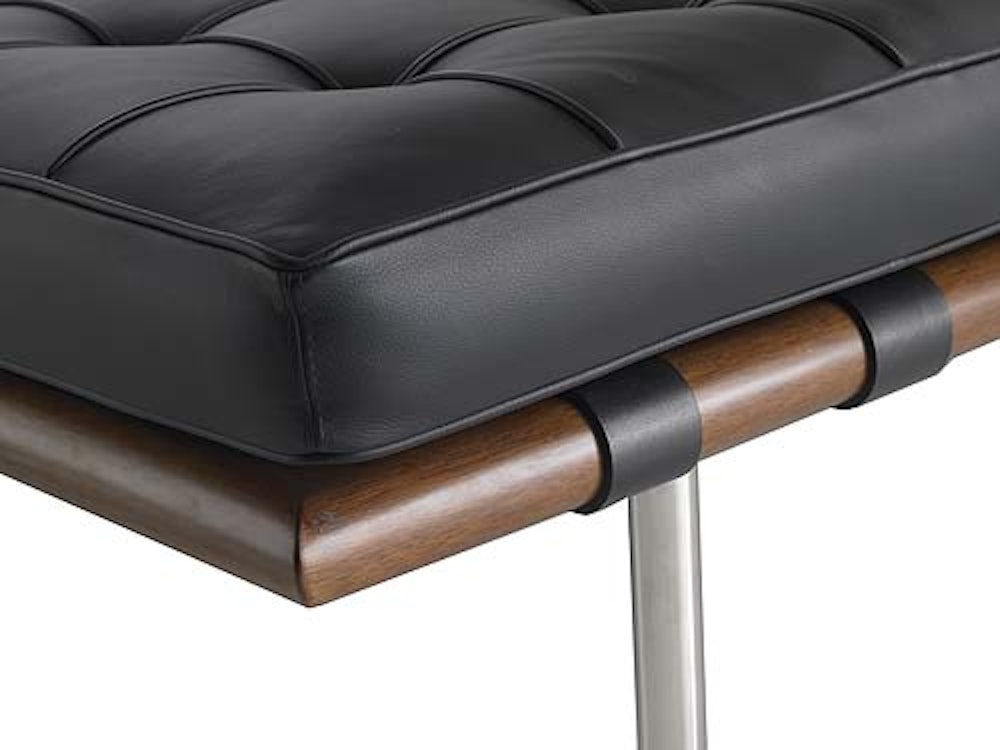
- African sapele mahogany hardwood frame with clear lacquer finish
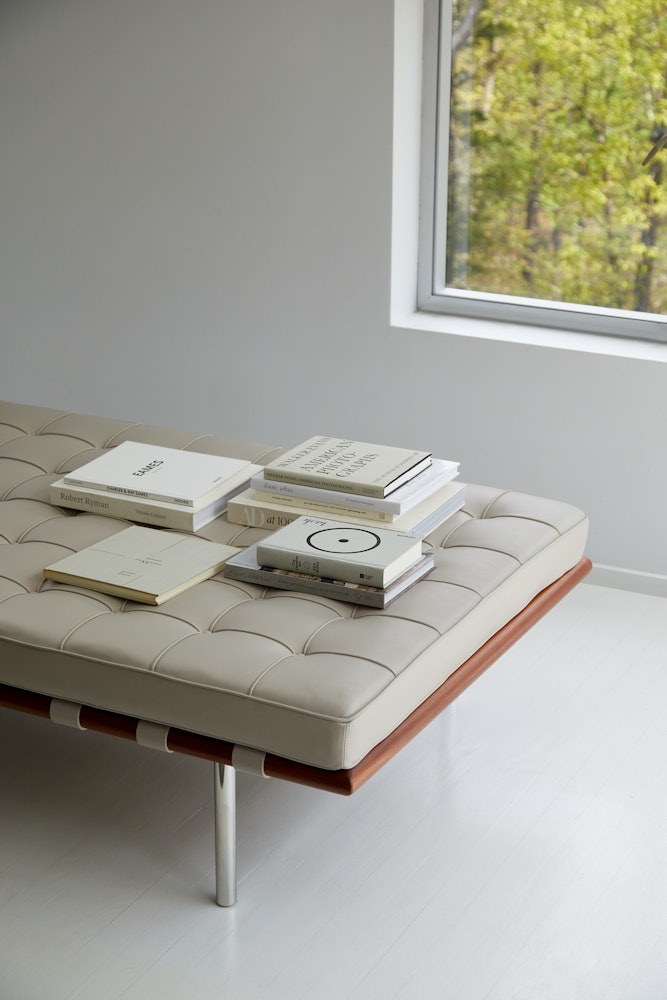
- Spinneybeck Volo semi-aniline leather upholstery
- Dacron-wrapped high-resiliency urethane foam and fiberfill cushions
- Cowhide leather straps
- Rubber webbing
- Polished stainless steel legs
- Notification of Filling Contents

Ludwig Mies van der Rohe
The modern city, with its towers of glass and steel, can be at least in part attributed to the influence of architect Ludwig Mies van der Rohe. Equally significant, if smaller in scale, is Mies’ daring design of furniture, pieces that exhibit an unerring sense of proportion as well as minimalist forms and exquisitely refined details. In fact, his chairs have been called architecture in miniature.
More on Ludwig Mies van der Rohe