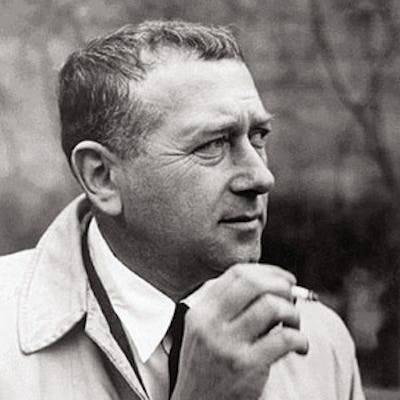
Sparked by bicycle handlebars, Marcel Breuer’s tubular steel chairs were a daring departure from traditional wood furniture. “Mass production,” Breuer said, “made me interested in polished metal, in shiny and impeccable lines in space, as new components of our interiors. I considered such polished and curved lines not only symbolic of our modern technology but actually to be technology.”
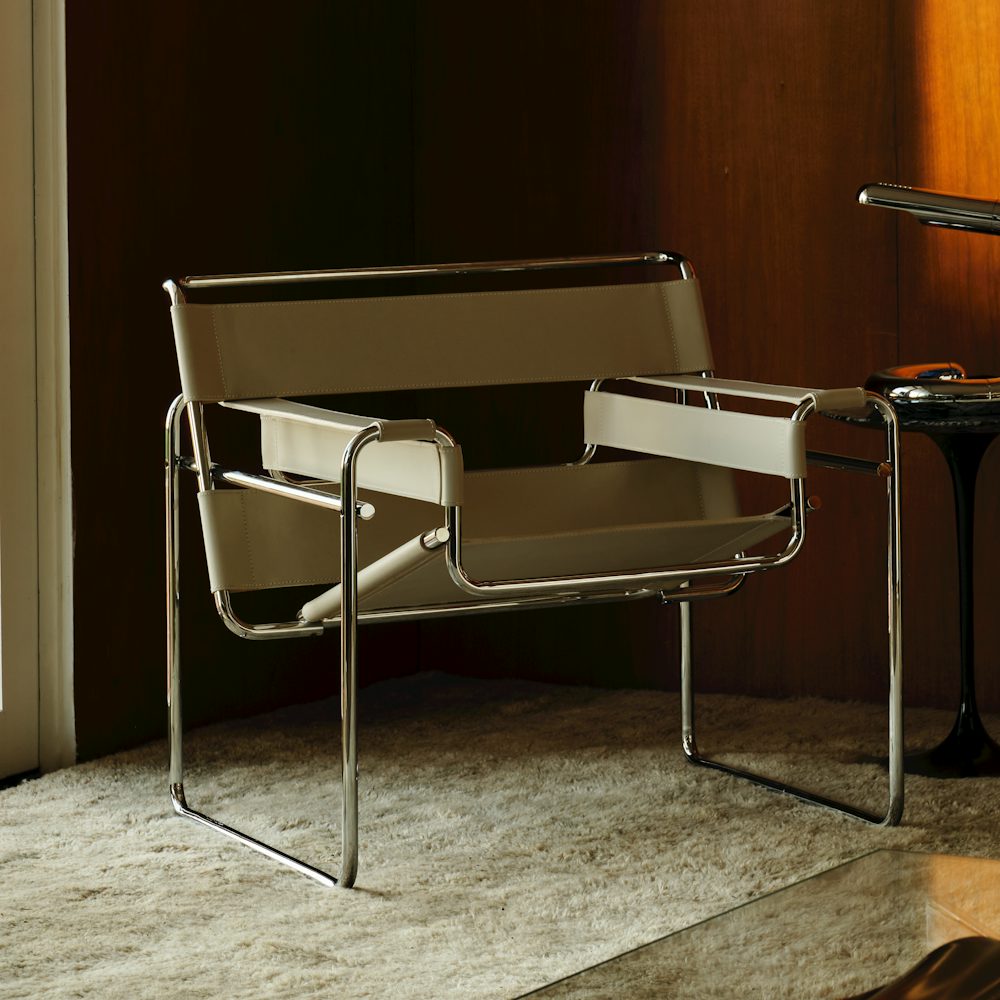
Drawing upon this image of “shiny and impeccable lines in space,” in 1925 Breuer designed his famous Wassily Chair, which was later named after Wassily Kandinsky, a former Bauhaus colleague. Breuer’s range of tubular metal furniture had singular advantages: affordability, simplicity and an inherent resilience. He considered his designs essential for modern living.
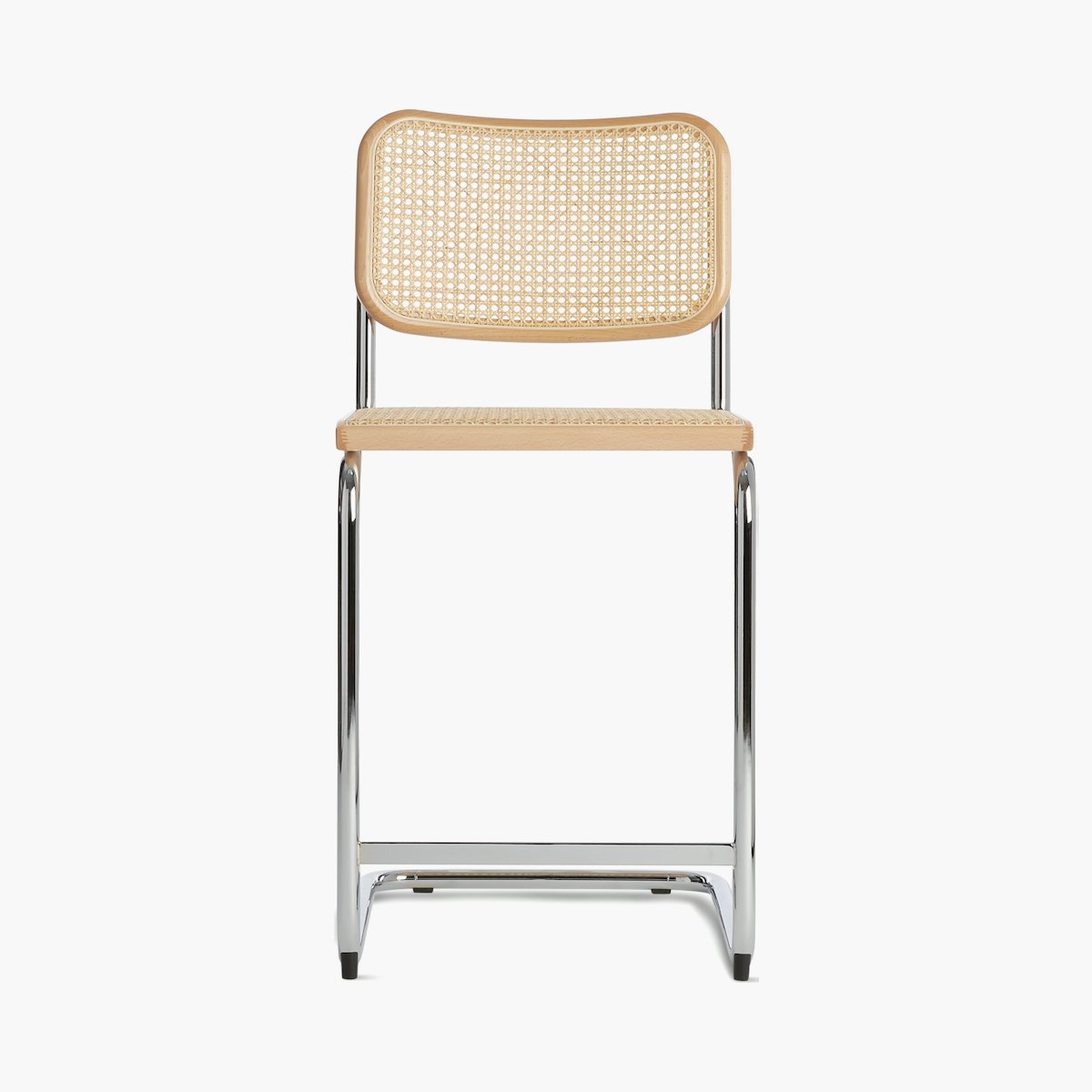
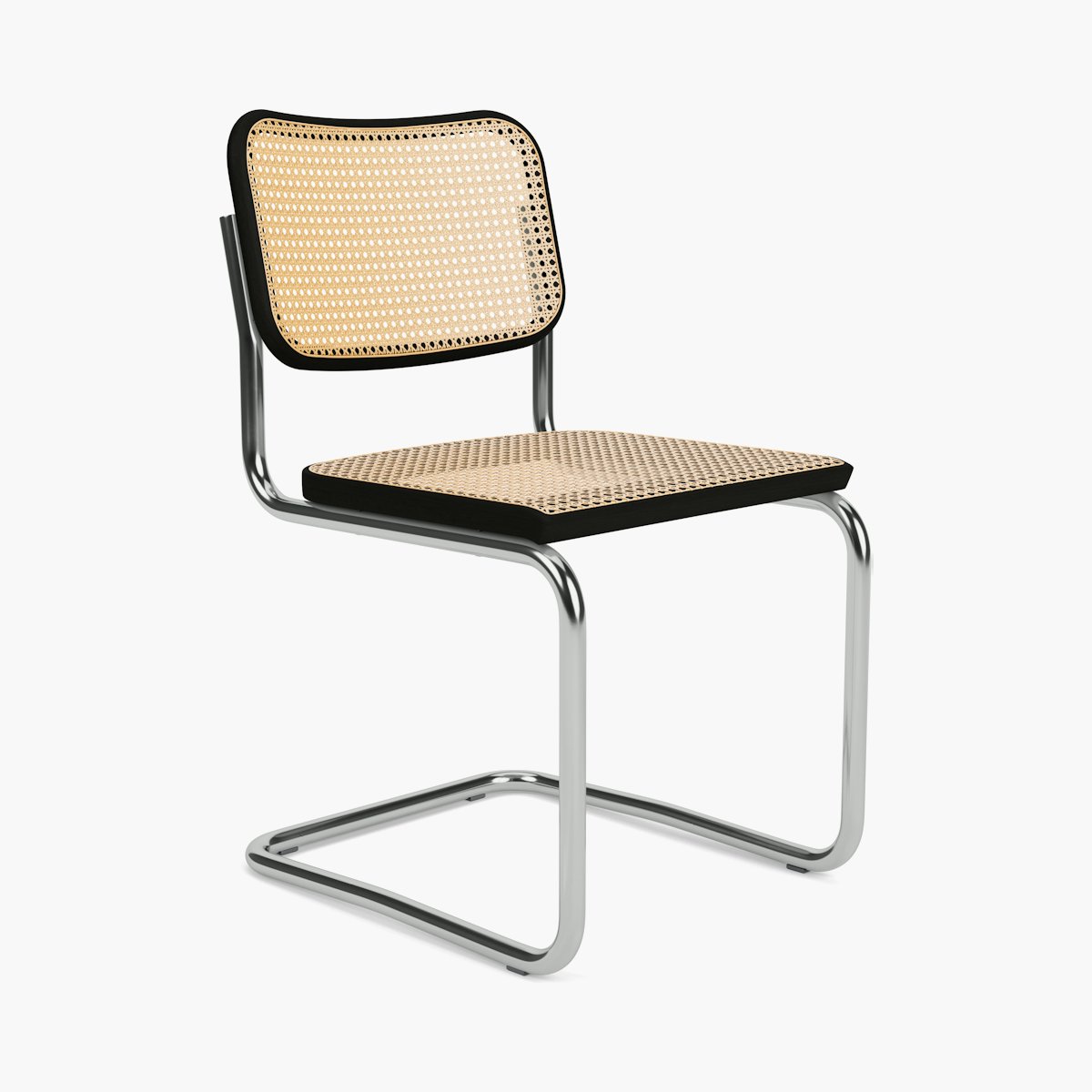
Breuer’s next breakthrough was his cantilevered chair. While Mart Stam and Ludwig Mies van der Rohe had created cantilevered chairs using steel tubes, they were rigid and awkward. Breuer used unreinforced steel tubing, creating a free-swinging chair that approached his de-materialist ideal of “sitting on columns of air.” The cantilevered chair was his greatest commercial success, and its design continued to evolve, the frame becoming lighter, the seat and back more pliant and the lines softer.
In 1928 Breuer left the Bauhaus and moved to Berlin. He relocated to England in 1935, when the Nazis made it impossible for anyone who had been a part of the Bauhaus – a “hotbed of Bolshevism” – to practice architecture. In 1937, he began to collaborate with Walter Gropius in the Boston area and joined Harvard as a professor. Breuer later moved to New York in 1946 to found his own architectural firm, with concrete becoming his medium of choice, exemplified by his 1964 design of the Whitney Museum of American Art, now known as The Met Breuer.
Drawing upon this image of “shiny and impeccable lines in space,” in 1925 Breuer designed his famous Wassily Chair, which was later named after Wassily Kandinsky, a former Bauhaus colleague. Breuer’s range of tubular metal furniture had singular advantages: affordability, simplicity and an inherent resilience. He considered his designs essential for modern living.
Breuer’s next breakthrough was his cantilevered chair. While Mart Stam and Ludwig Mies van der Rohe had created cantilevered chairs using steel tubes, they were rigid and awkward. Breuer used unreinforced steel tubing, creating a free-swinging chair that approached his de-materialist ideal of “sitting on columns of air.” The cantilevered chair was his greatest commercial success, and its design continued to evolve, the frame becoming lighter, the seat and back more pliant and the lines softer.
In 1928 Breuer left the Bauhaus and moved to Berlin. He relocated to England in 1935, when the Nazis made it impossible for anyone who had been a part of the Bauhaus – a “hotbed of Bolshevism” – to practice architecture. In 1937, he began to collaborate with Walter Gropius in the Boston area and joined Harvard as a professor. Breuer later moved to New York in 1946 to found his own architectural firm, with concrete becoming his medium of choice, exemplified by his 1964 design of the Whitney Museum of American Art, now known as The Met Breuer.
15
Results
15
Results
View

Original price: $1,523. Current price: $1,142 and 25 cents - 25% off

Original price: $1,380. Current price: $1,035 - 25% off

Original price:
$3,931 to $6,576. Current price: $2,948 and 25 cents
to
$4,932 - 25% off


Original price:
$862 to $1,333. Current price: $646 and 50 cents
to
$999 and 75 cents - 25% off


Original price:
$1,116 to $1,305. Current price: $837
to
$978 and 75 cents - 25% off
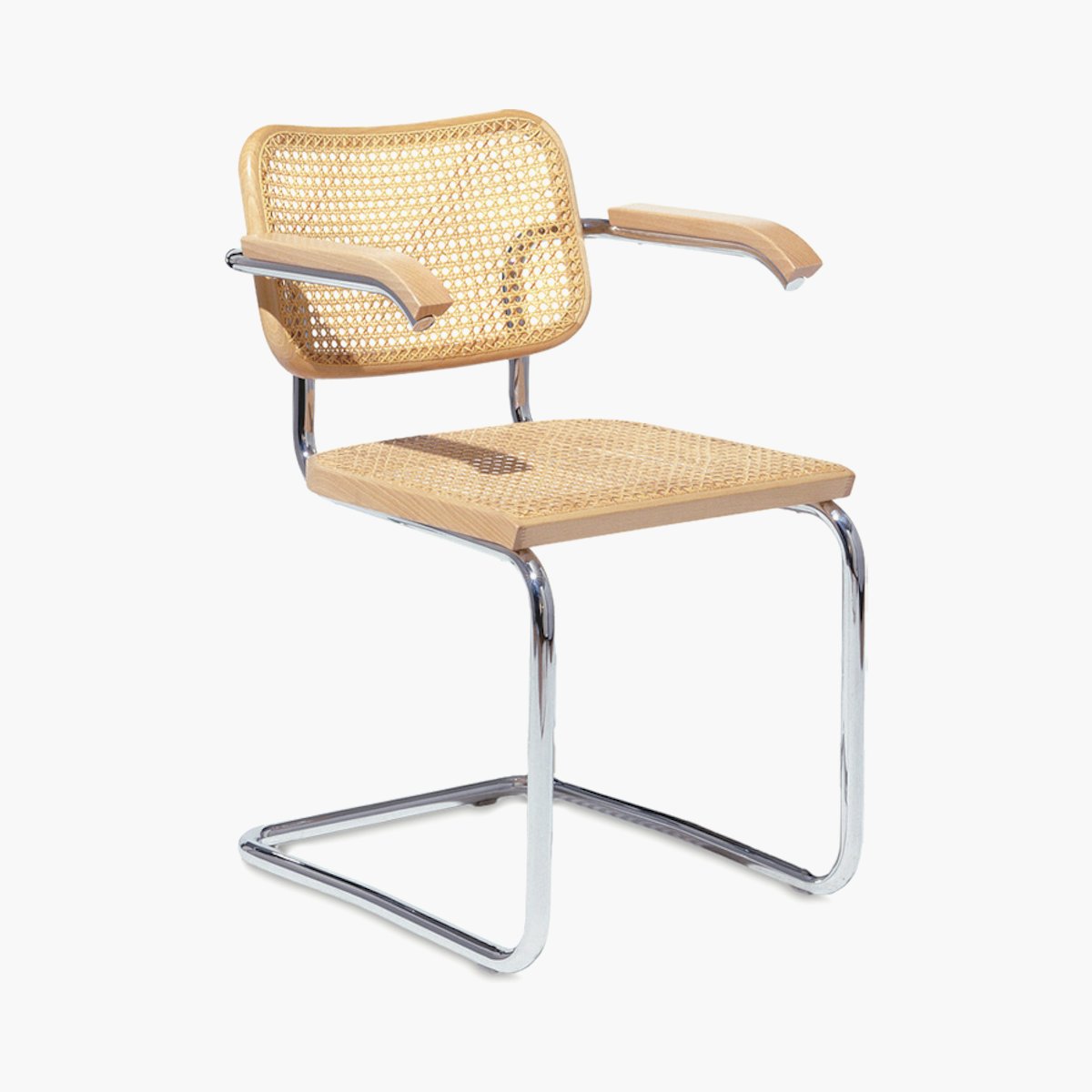
Original price: $1,435. Current price: $1,076 and 25 cents - 25% off

Original price:
$1,282 to $2,249. Current price: $961 and 50 cents
to
$1,686 and 75 cents - 25% off
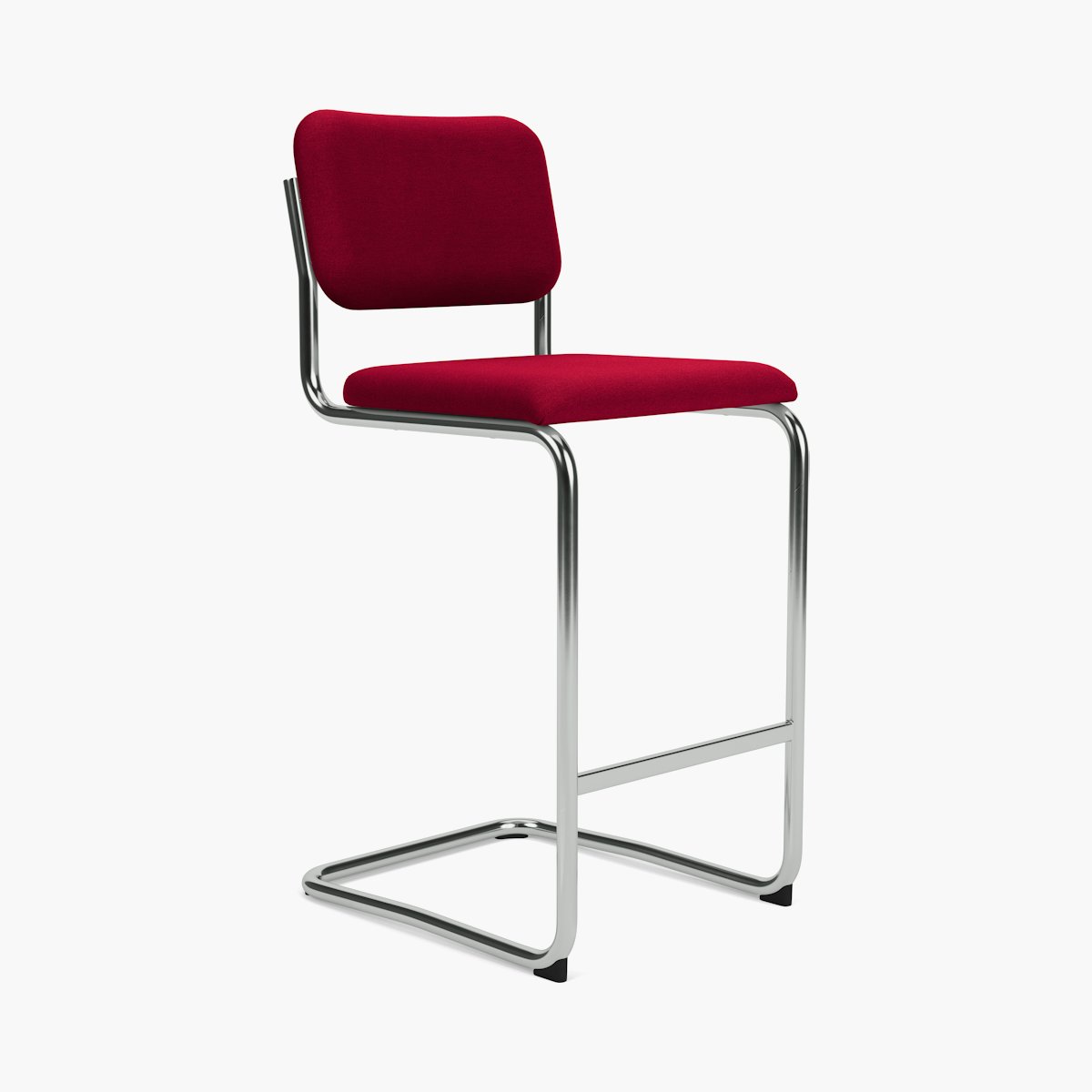
Original price:
$1,282 to $2,249. Current price: $961 and 50 cents
to
$1,686 and 75 cents - 25% off


Original price:
$4,373 to $6,576. Current price: $3,279 and 75 cents
to
$4,932 - 25% off


Original price:
$1,036 to $1,962. Current price: $777
to
$1,471 and 50 cents - 25% off
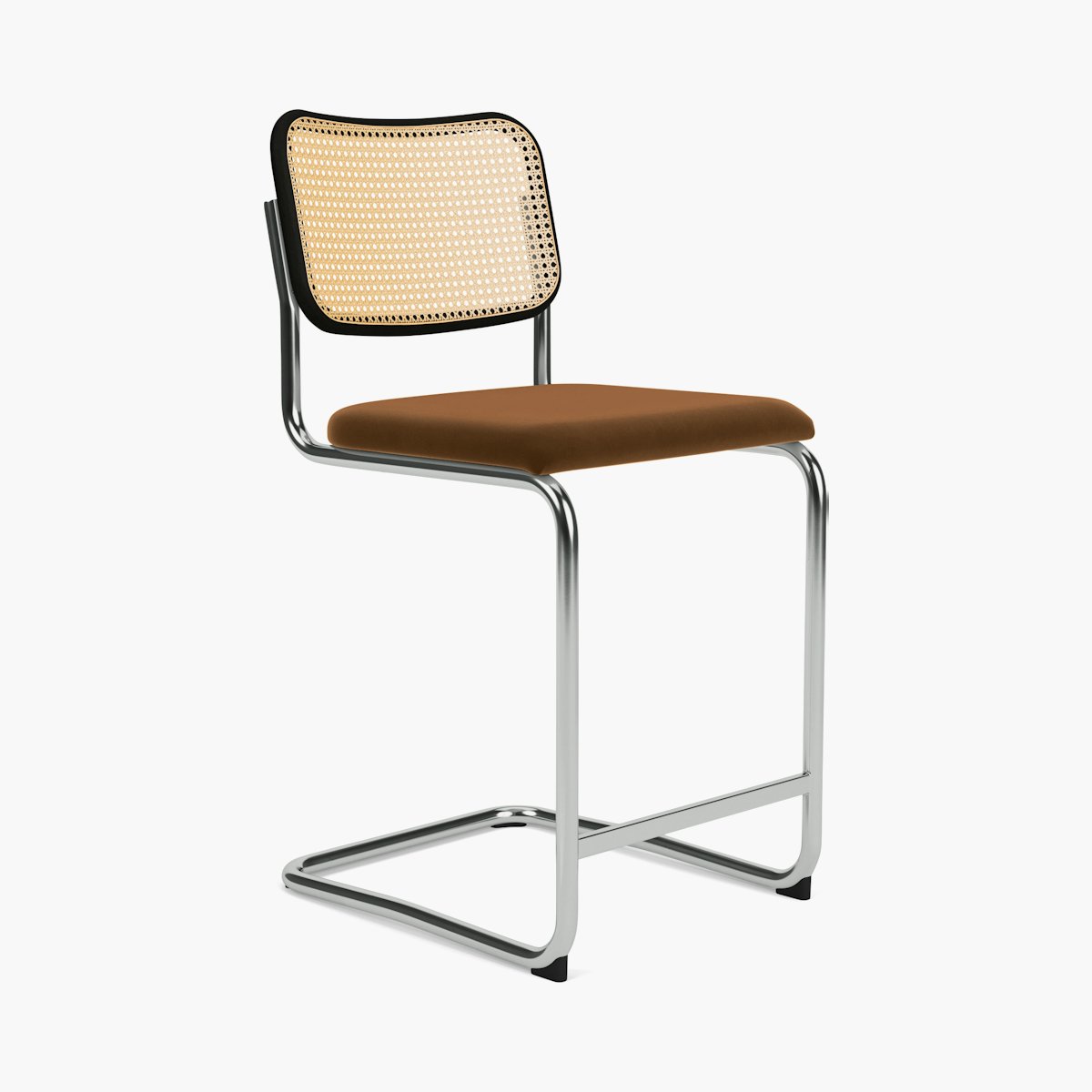
Original price:
$1,261 to $1,551. Current price: $945 and 75 cents
to
$1,163 and 25 cents - 25% off

Original price:
$1,190 to $1,635. Current price: $892 and 50 cents
to
$1,226 and 25 cents - 25% off


Original price:
$1,799 to $2,714. Current price: $1,349 and 25 cents
to
$2,035 and 50 cents - 25% off

Original price:
$1,282 to $2,249. Current price: $961 and 50 cents
to
$1,686 and 75 cents - 25% off


Original price:
$1,359 to $1,514. Current price: $1,019 and 25 cents
to
$1,135 and 50 cents - 25% off