Icons


Meet the icons of modern design
HISTORY MADE EACH AN ICON. YOU MAKE IT ORIGINAL.
Authentic, original, timeless – the icons that define modernism

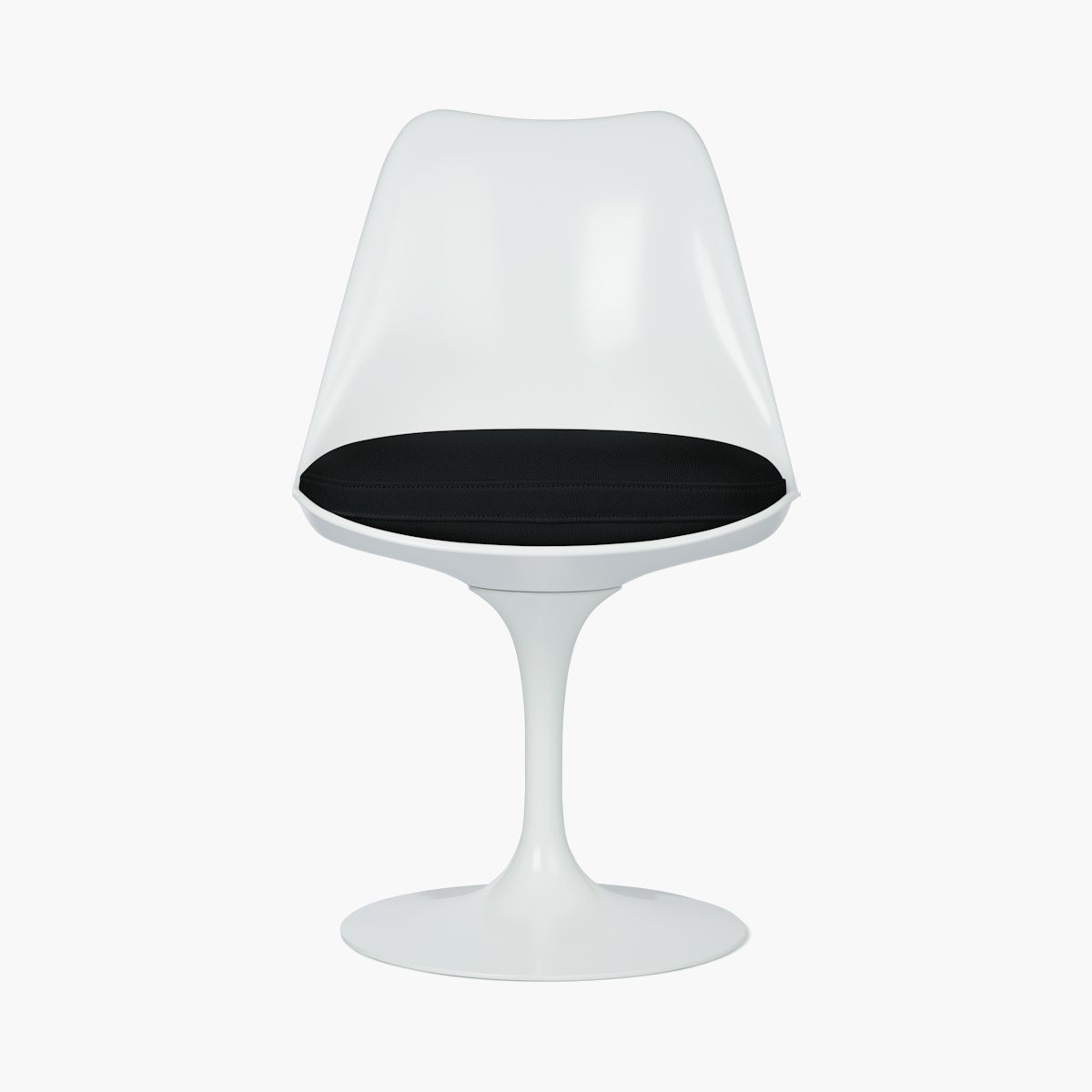
Saarinen Dining Table
Eero Saarinen, trained as a sculptor, despised the “slum of legs” cluttering furniture. Working like an artist through hundreds of drawings and clay models, he reduced chairs and tables to one fluid column. The Pedestal Table remains his conviction realized.

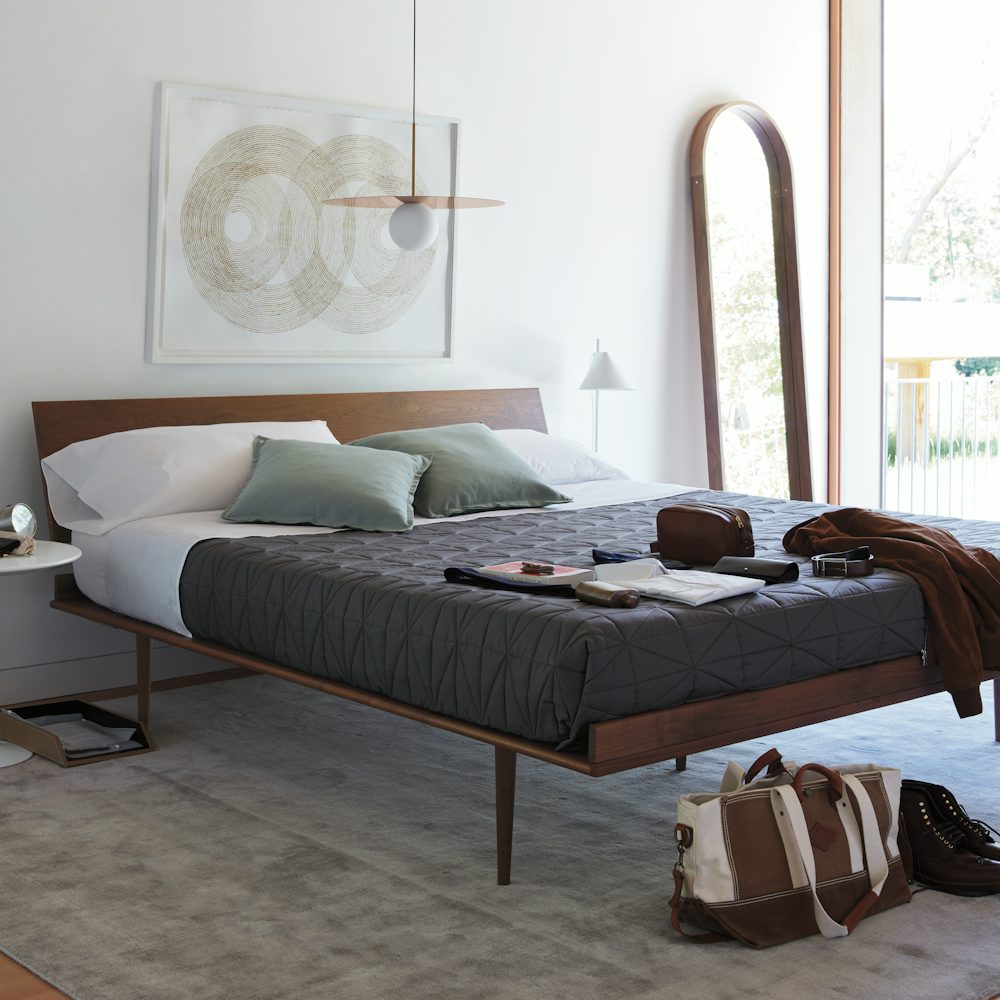
Nelson Thin Edge Bed
Before joining Herman Miller as design director in 1945, George Nelson was an architect-turned-editor with a sharp eye for what belonged. That instinct shaped pieces like the Thin Edge Bed, based on his core belief: Good design solves how people actually live.

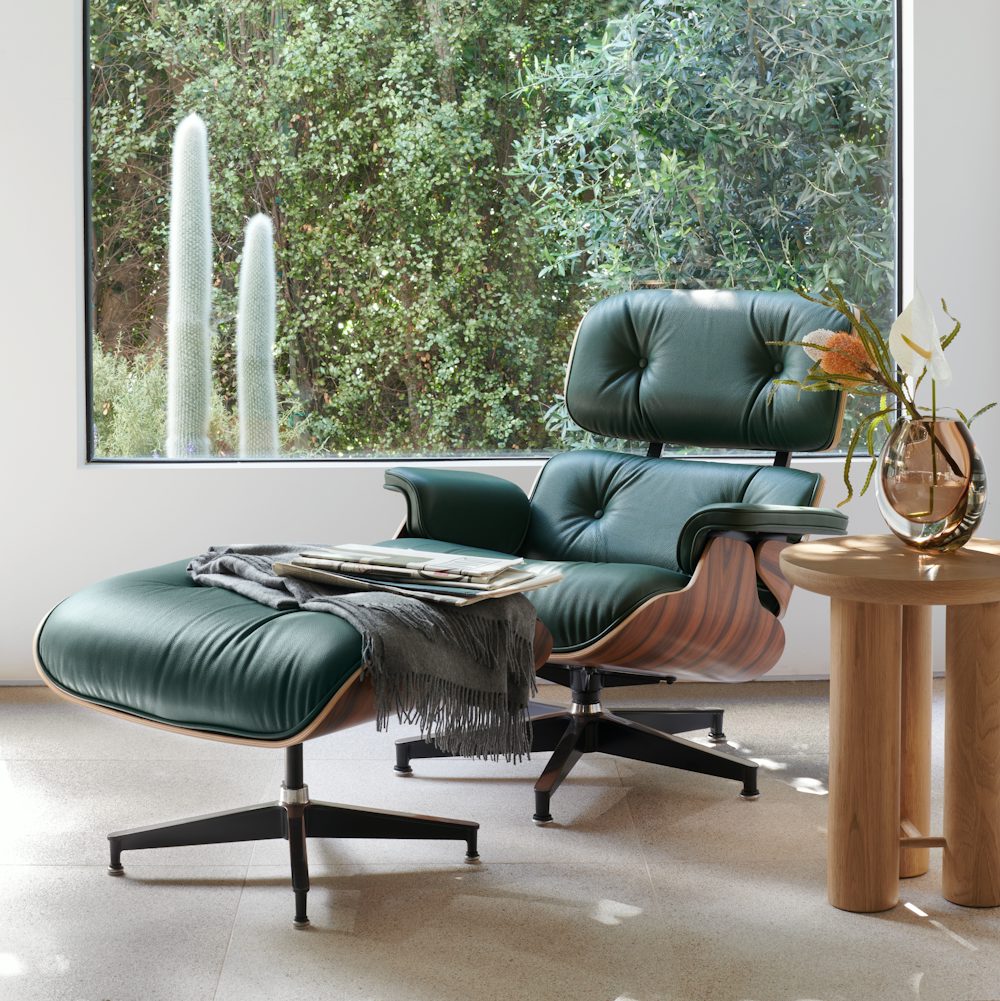
Eames Lounge Chair and Ottoman
No chair is more coveted than Charles and Ray Eames’ iconic 1956 design. After 16 years experimenting with molded plywood, they reimagined the classic club chair – an emblem of modern comfort ever since, from TV and movie appearances to MoMA’s permanent collection.

Noguchi Table
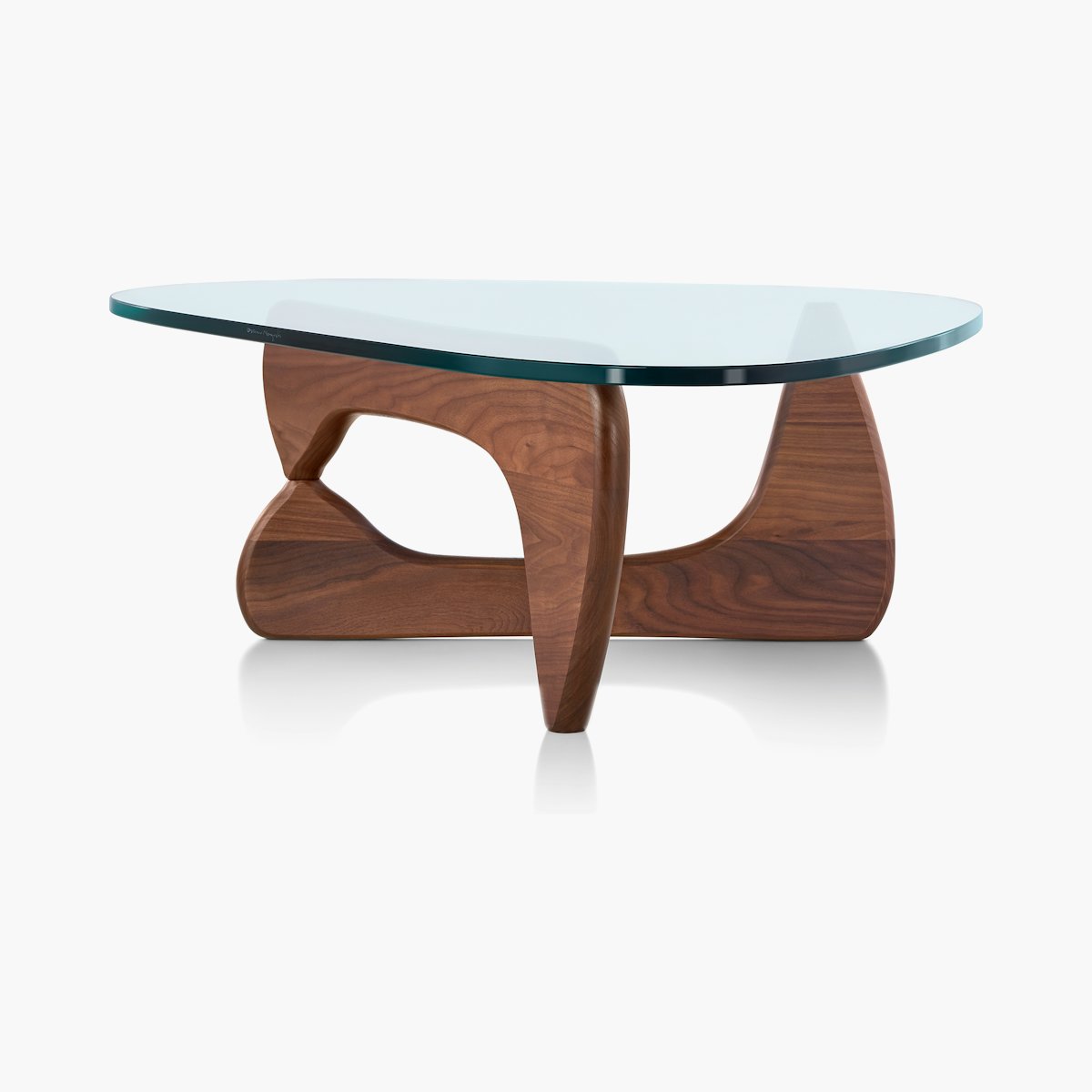
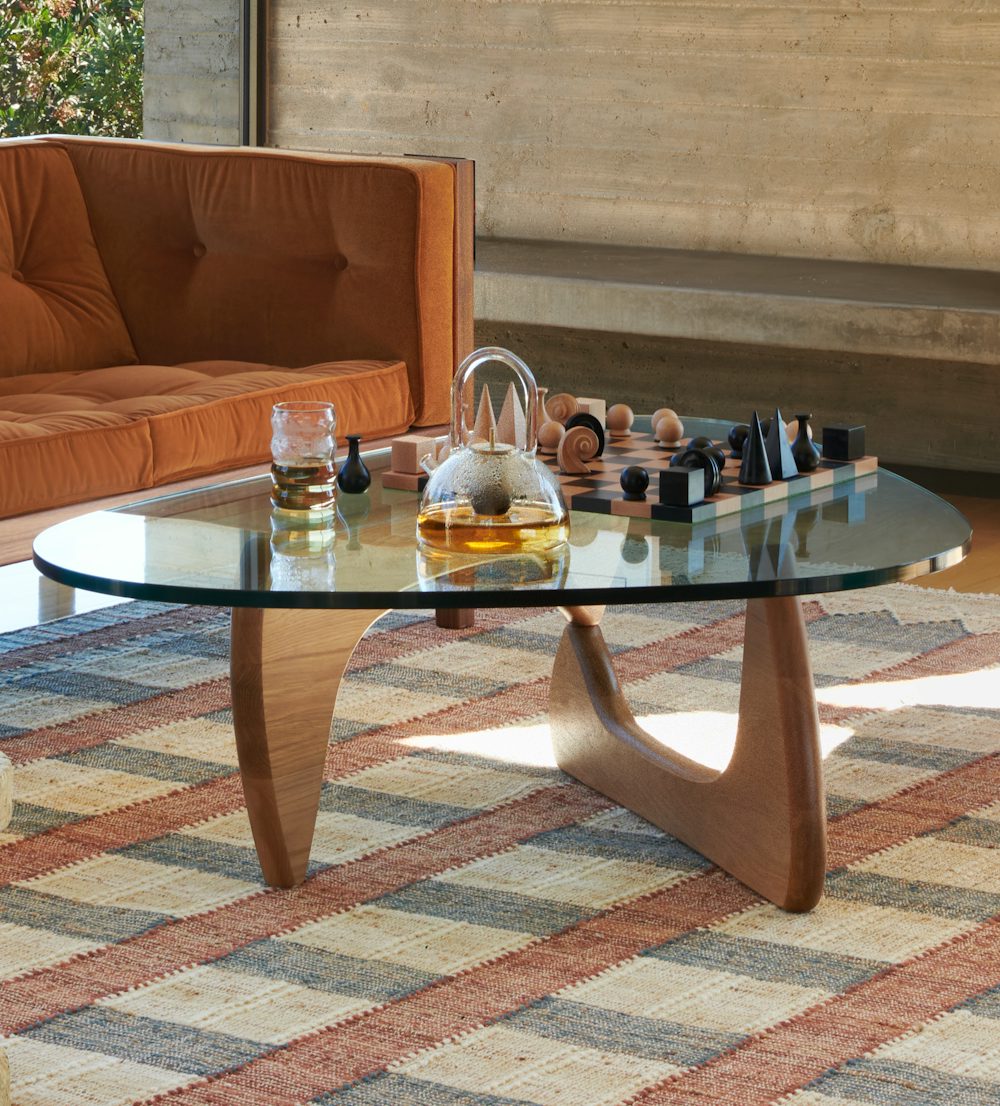
“Sculpture is no good if it’s just put in a gallery,” Isamu Noguchi said. “It must be part of daily living.” That philosophy shaped his table: a continuous wood loop, split and rotated 90° to balance glass in an unmistakable design.

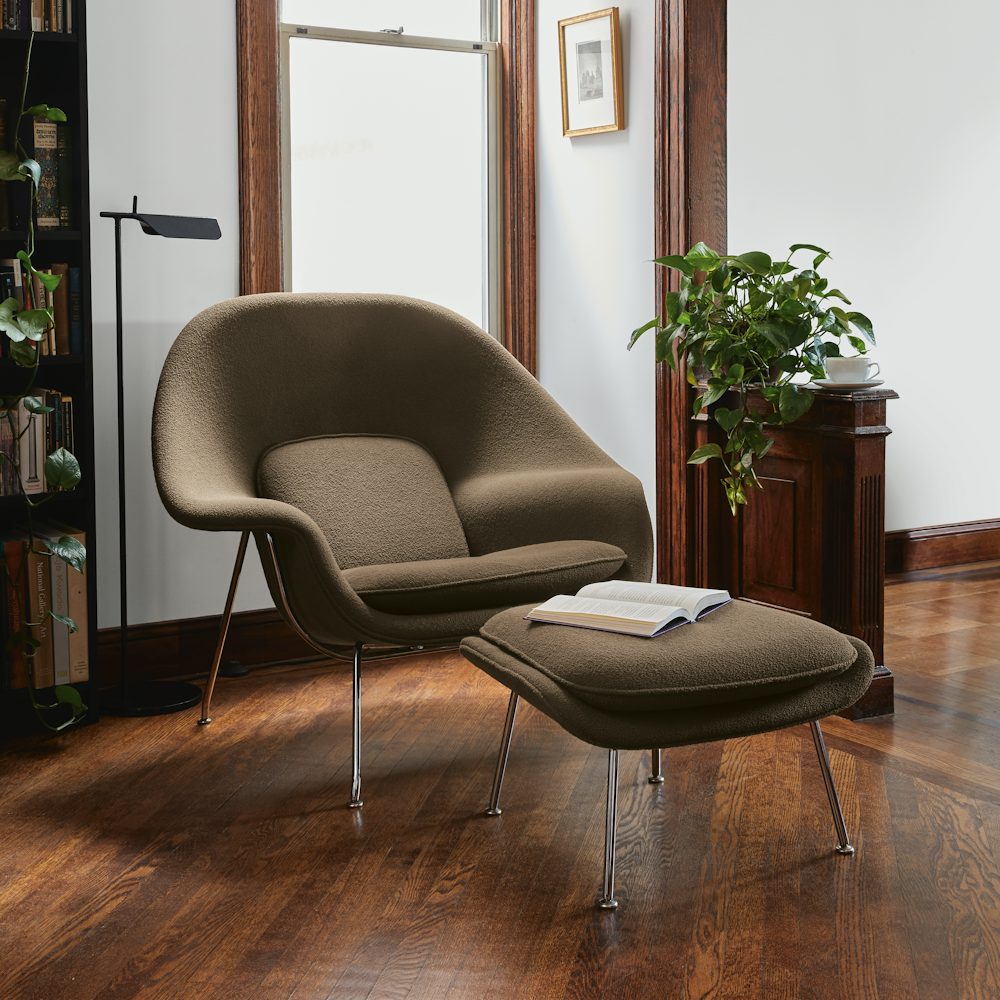
Womb Chair
Bored by rigid chairs, Florence Knoll told Eero Saarinen: “I want a chair I can sit sideways in or any other way I want.” He pushed into then-unexplored fiberglass and resin. The result: the Womb Chair, an enduring symbol of freeing comfort.

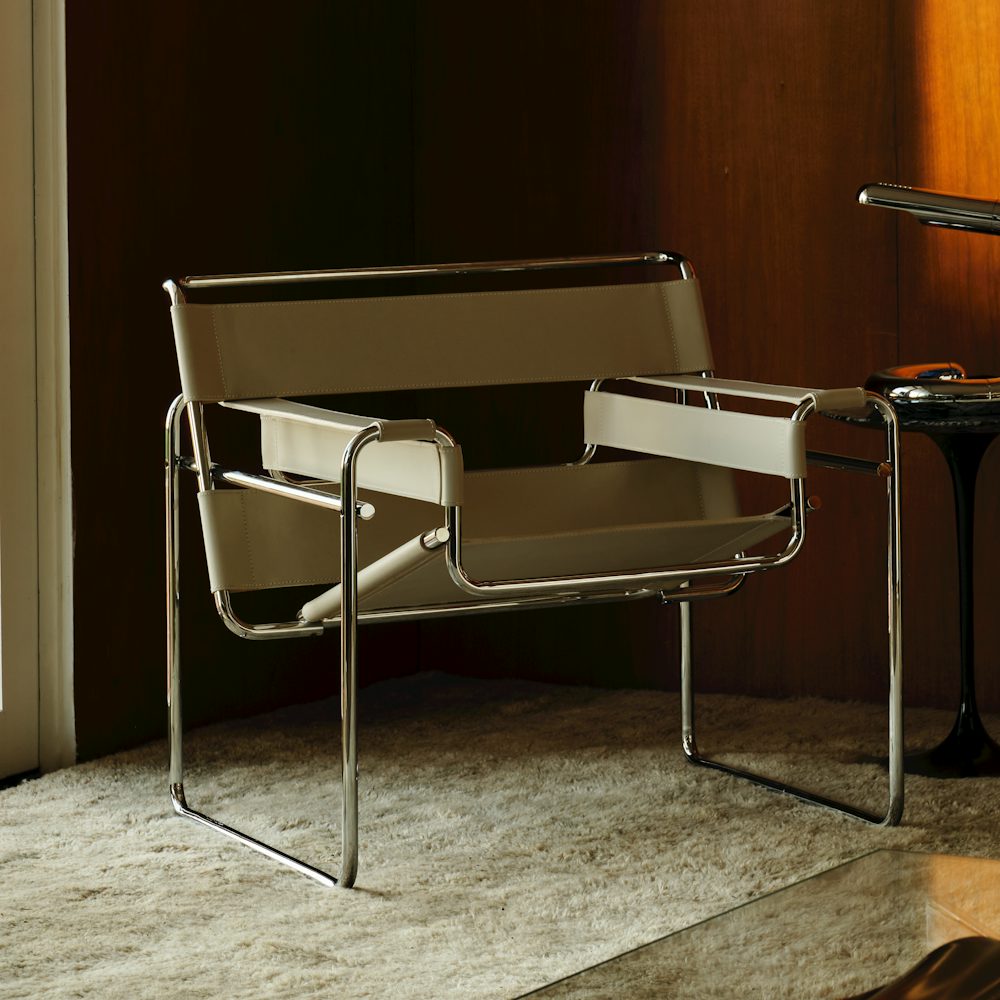
Barcelona Chair
Ludwig Mies van der Rohe believed “God is in the details.” His Barcelona Chair, designed for the 1929 Barcelona Pavilion, echoes the ancient Roman curule seat, with 40 hand-cut leather panels tufted by hand. It’s a modern throne still made to his exacting standards today.

Aeron Chair
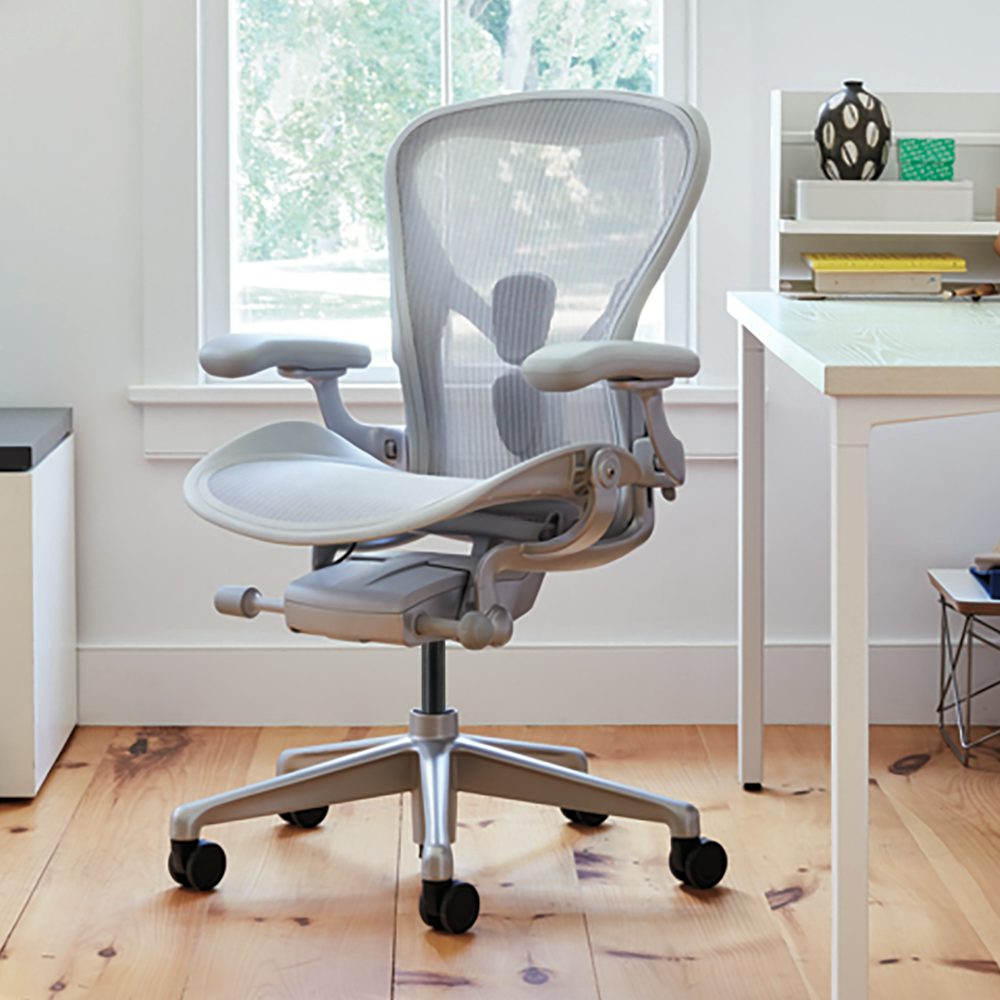
Bill Stumpf spent decades studying “postural whims” – the slouching, shifting human body. He and Don Chadwick channeled that research into the 1994 Aeron Chair: Pellicle mesh, fine-tuned adjustable support, and inclusive sizing. Thirty years on, it still holds up to all the ways we actually sit.

Nelson Bubble Lighting
Director of design at Herman Miller from 1945–1972, George Nelson found an unlikely inspiration for his Bubble Lamps: mothballing ships. He crafted a steel frame and sprayed it with translucent plastic to create a sculptural shade that glows.

1966 Collection
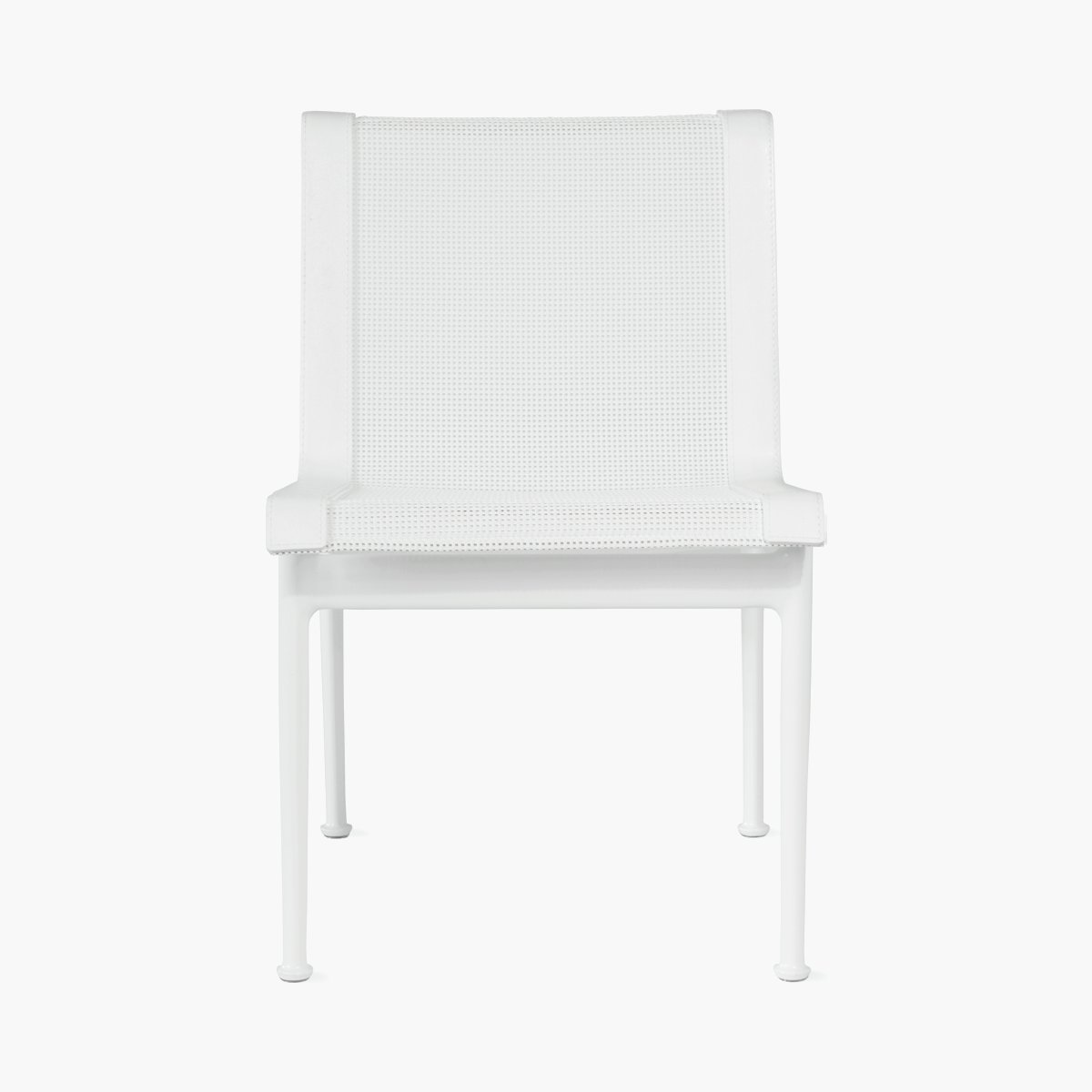
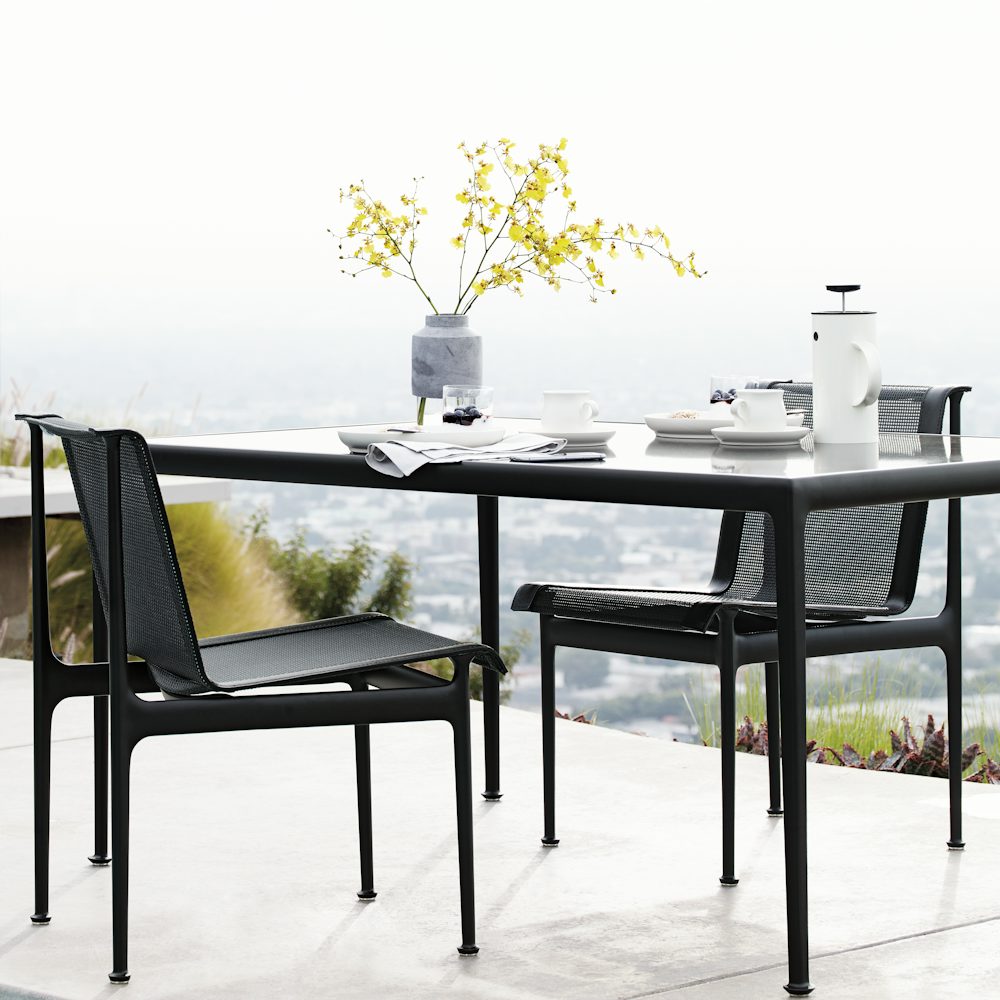
In 1958, Florence Knoll challenged Richard Schultz to design outdoor furniture that could survive salt air. Trained alongside Harry Bertoia, Schultz worked from material outward – touching, testing, letting form follow feeling. The 1966 Collection is durable yet lithe – still the definitive expression of modern outdoor living.

Palissade Collection
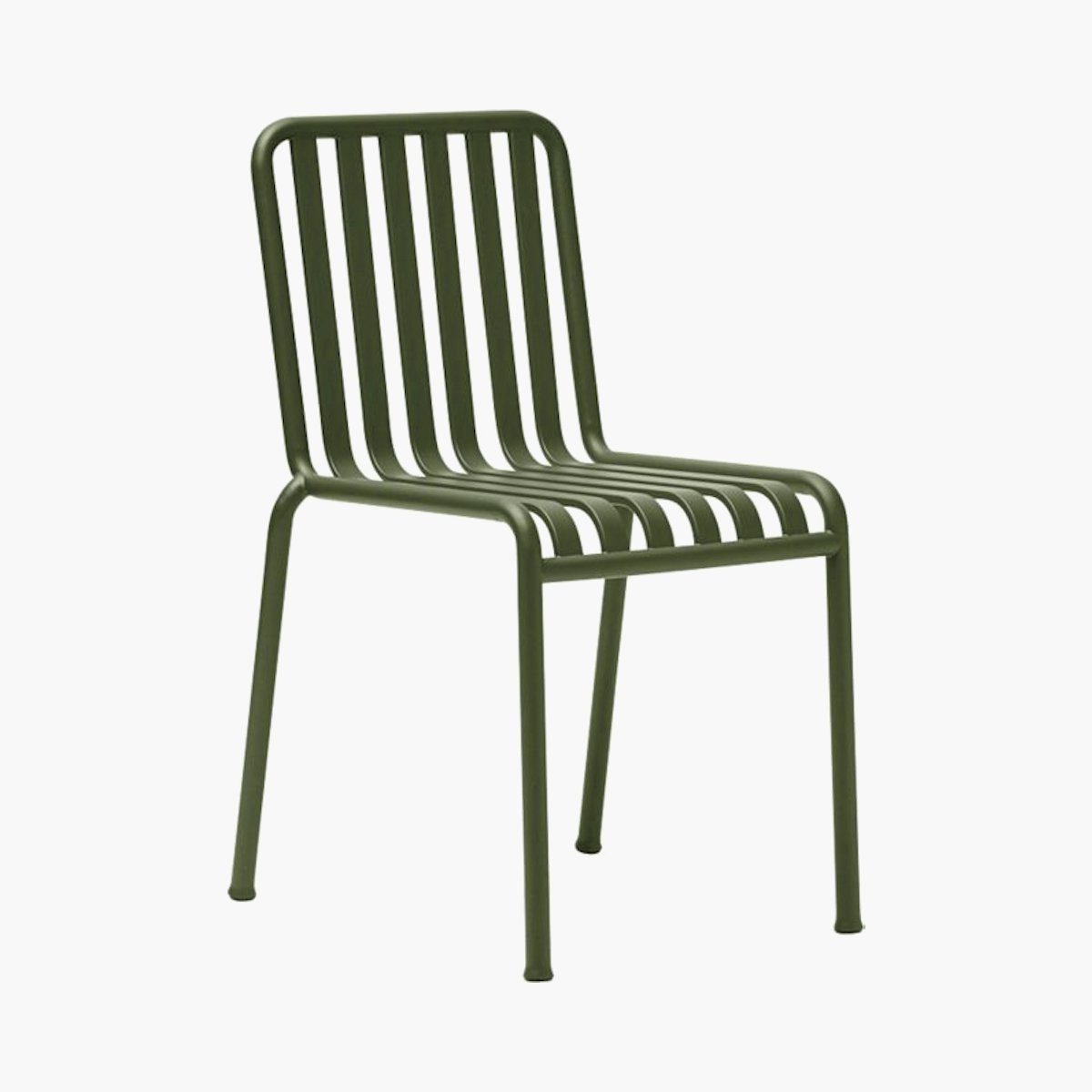
Ronan and Erwan Bouroullec designed Palissade for life outdoors. “It had to work in a city, on a terrace, and near a pub,” Ronan says. Ribbons of weatherproof steel come together in an elegant, purposeful form. Over a decade on, its devoted following – from garden designers to backyard owners – speaks for itself.
View