George Nelson
U.S.A. (1908–1986)

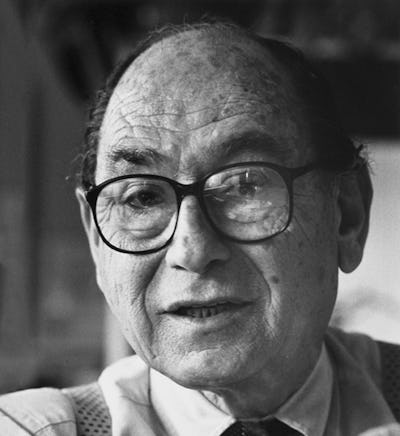
Possessing one of the most inventive minds of the 20th century, George Nelson was the rare person who can envision what isn’t there yet. Nelson described his creative abilities as a series of “zaps” – flashes of inspiration and clarity that he turned into innovative design ideas.
One such “zap” came in 1942, when Nelson conceived the first-ever pedestrian shopping mall – now a ubiquitous feature of our architectural landscape – detailed in his “Grass on Main Street” article. Soon after, he pioneered the concept of built-in storage with the storage wall, a system of storage units that rested on slatted platform benches. The first modular storage system ever, it was showcased in Life magazine and caused an immediate sensation in the furniture industry.
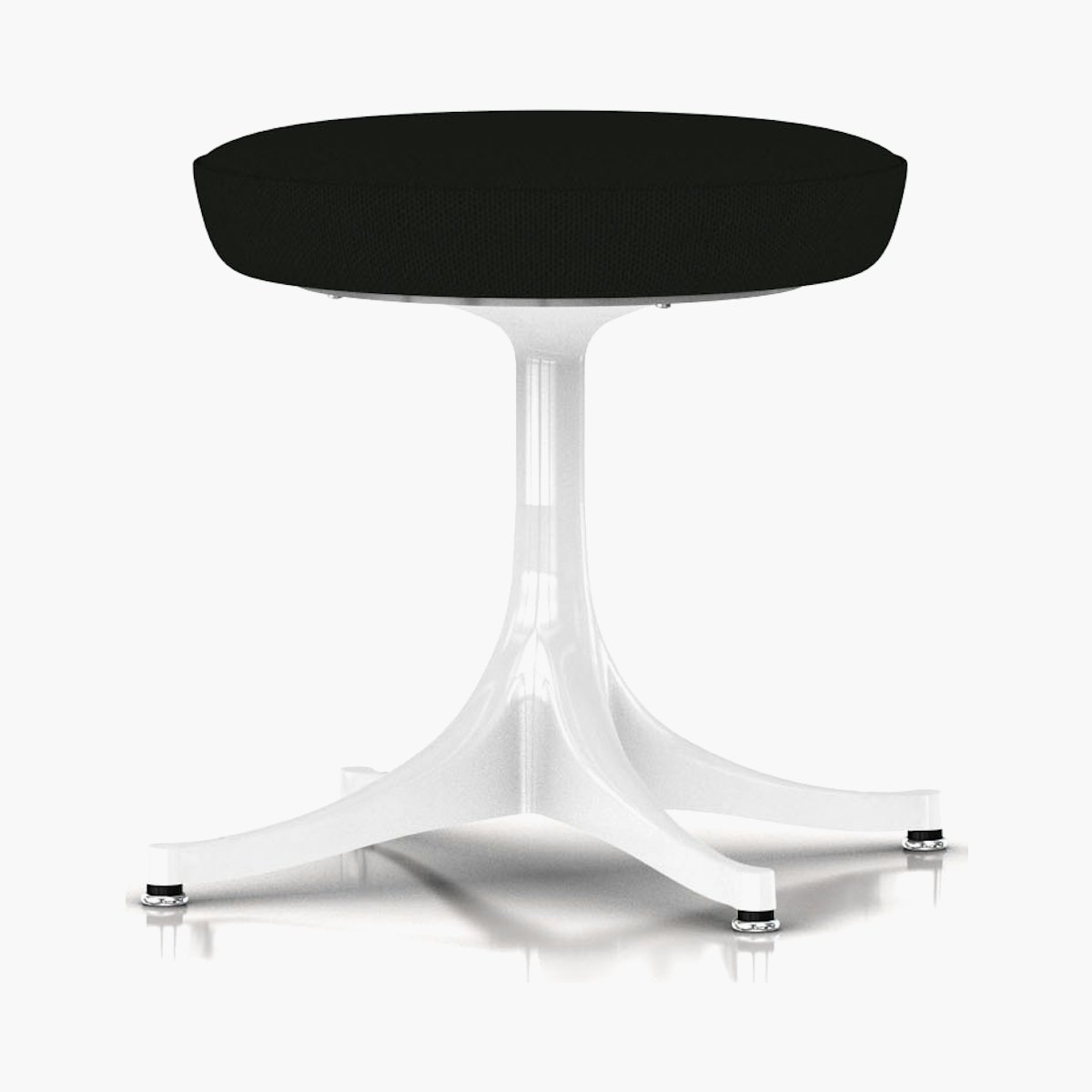
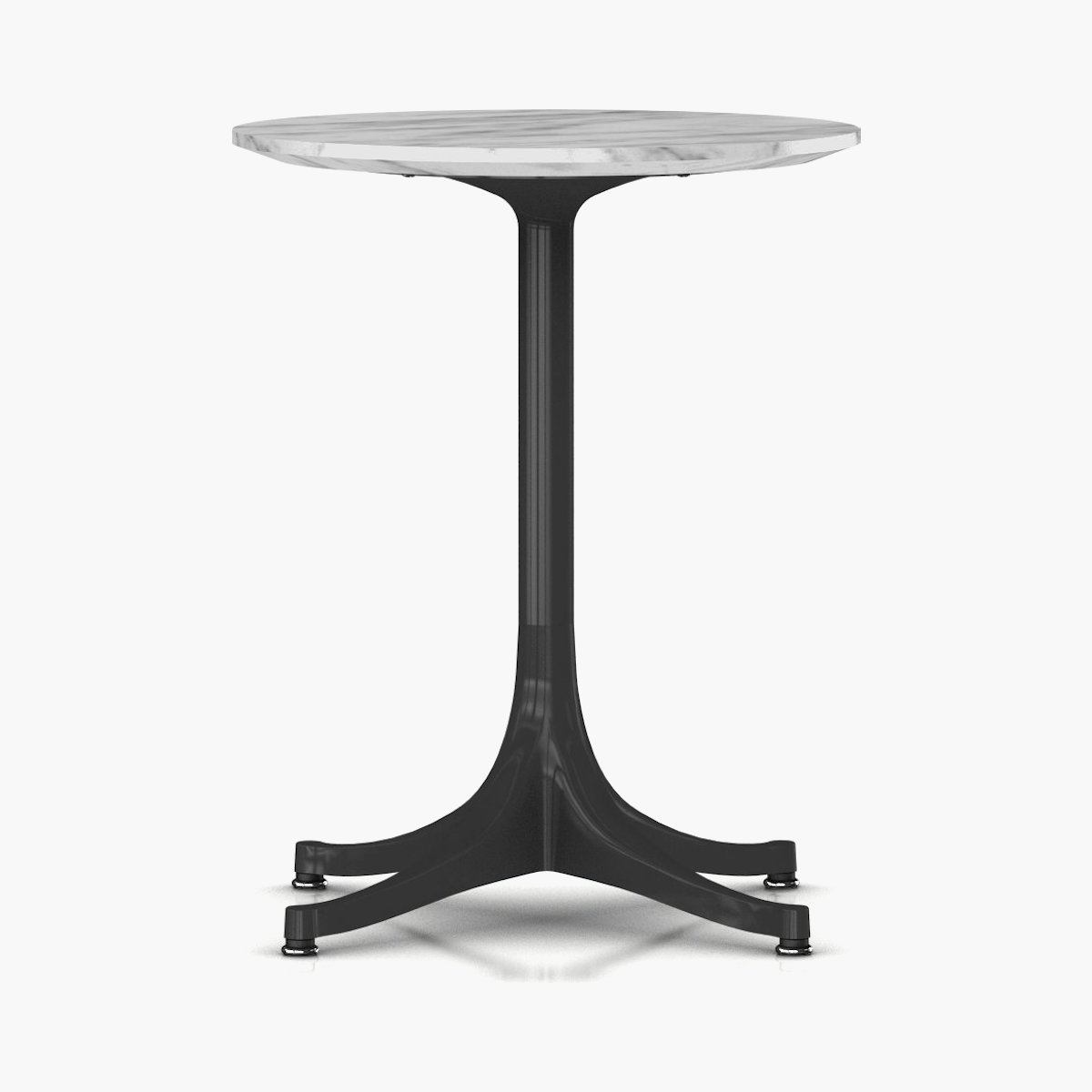
In 1945, Nelson became director of design at Herman Miller, a position he held until 1972. While there, he recruited other seminal modern designers, including Charles Eames and Isamu Noguchi. Nelson also developed his own designs, including his trademark benches, lamps and clocks, as well as the first L-shaped desk, a precursor to the present-day workstation.
Nelson felt that designers must be “aware of the consequences of their actions on people and society and thus cultivate a broad base of knowledge and understanding.” He was an early environmentalist, one of the first designers to take an interest in new communications technology and a powerful writer and teacher. Perhaps influenced by his friend Buckminster Fuller, Nelson had the ultimate goal as a designer “to do much more with much less.”
One such “zap” came in 1942, when Nelson conceived the first-ever pedestrian shopping mall – now a ubiquitous feature of our architectural landscape – detailed in his “Grass on Main Street” article. Soon after, he pioneered the concept of built-in storage with the storage wall, a system of storage units that rested on slatted platform benches. The first modular storage system ever, it was showcased in Life magazine and caused an immediate sensation in the furniture industry.
In 1945, Nelson became director of design at Herman Miller, a position he held until 1972. While there, he recruited other seminal modern designers, including Charles Eames and Isamu Noguchi. Nelson also developed his own designs, including his trademark benches, lamps and clocks, as well as the first L-shaped desk, a precursor to the present-day workstation.
Nelson felt that designers must be “aware of the consequences of their actions on people and society and thus cultivate a broad base of knowledge and understanding.” He was an early environmentalist, one of the first designers to take an interest in new communications technology and a powerful writer and teacher. Perhaps influenced by his friend Buckminster Fuller, Nelson had the ultimate goal as a designer “to do much more with much less.”
Notes
All real seeing is triggered by interest.
Shop George Nelson Designs
84
Results
84
Results
View


Original price:
$9,045 to $18,145. Current price: $9,045
to
$14,516 - up to 20% off

Original price:
$4,655 to $4,755. Current price: $3,724
to
$4,755 - up to 20% off


Original price:
$3,420 to $4,670. Current price: $3,420
to
$4,670 - up to 20% off

$3,595 to $3,745


Original price:
$2,325 to $2,425. Current price: $1,940
to
$2,425 - up to 20% off

$565 to $815

Original price:
$565 to $815. Current price: $565
to
$815 - up to 20% off

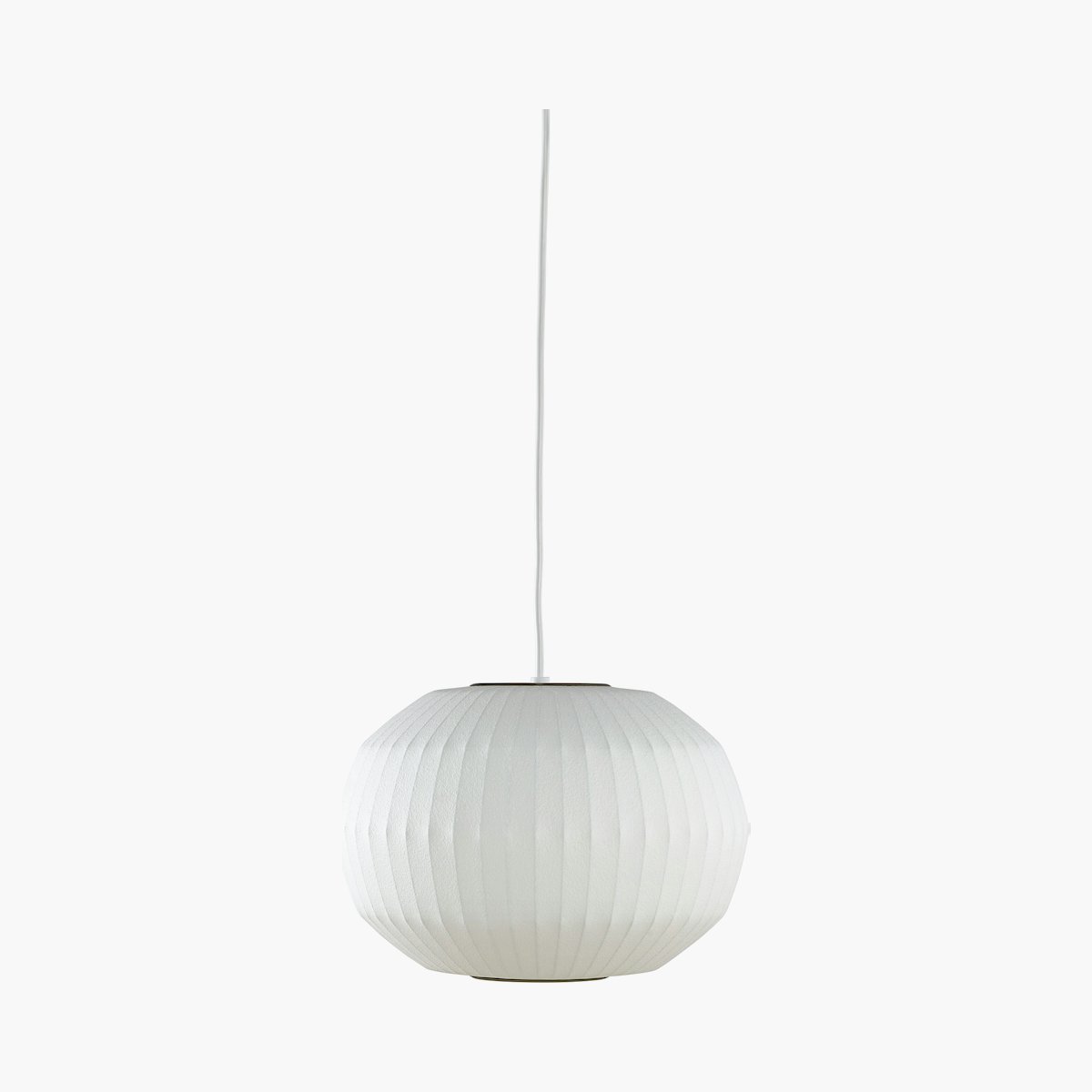

$565 to $1,015
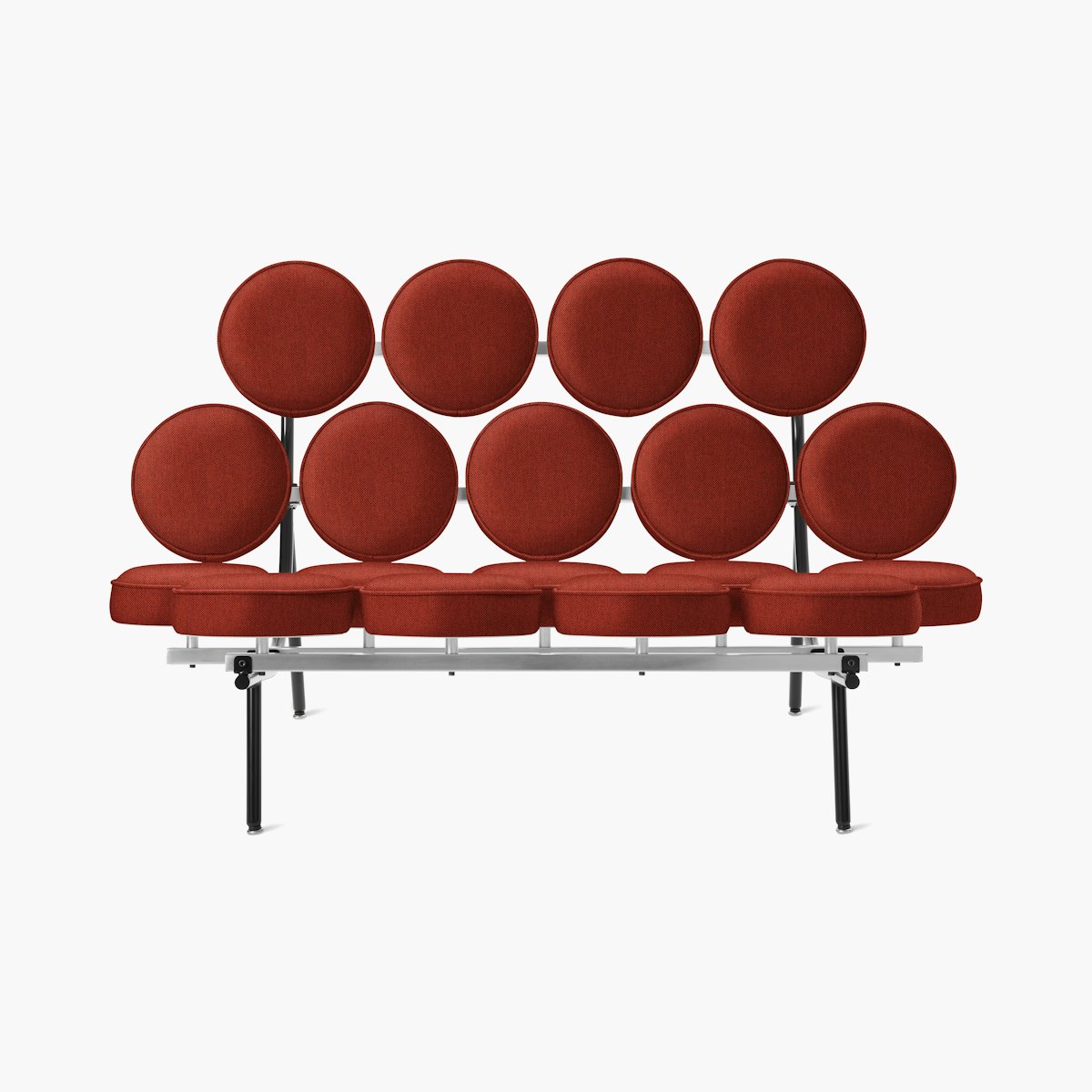
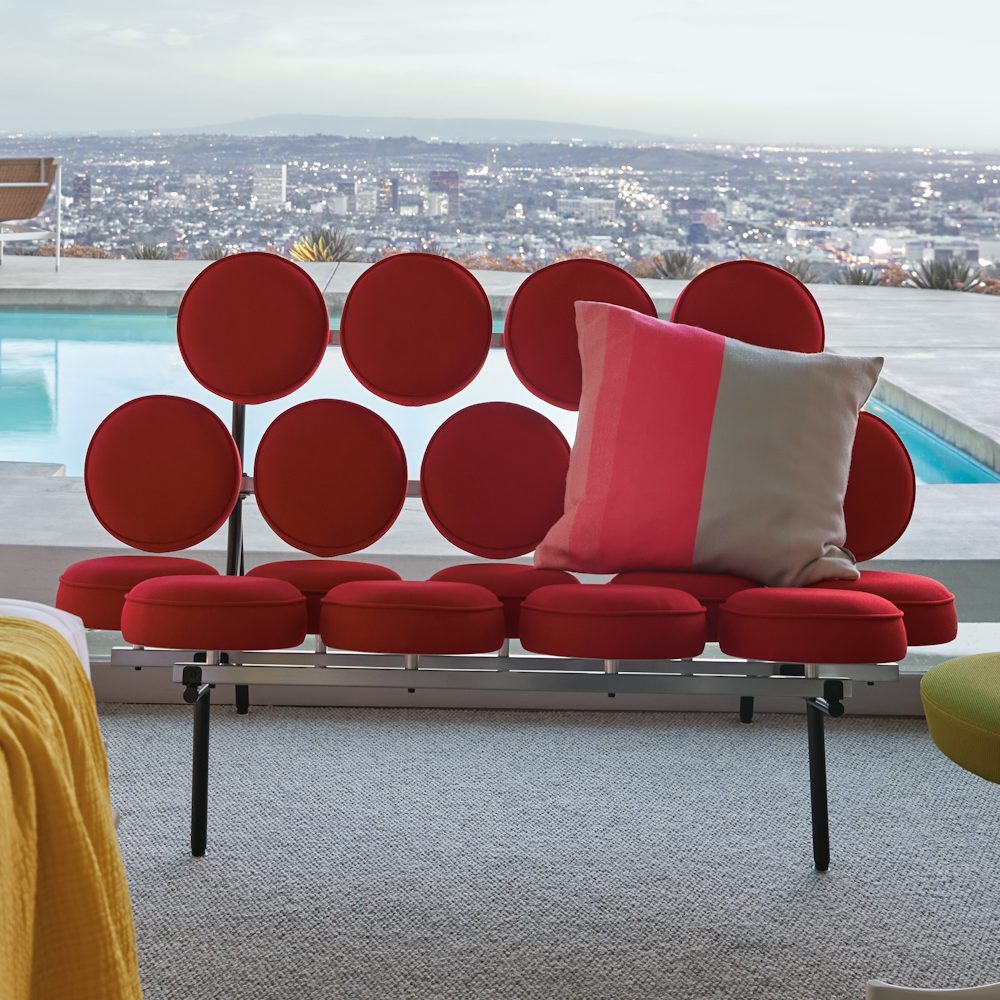
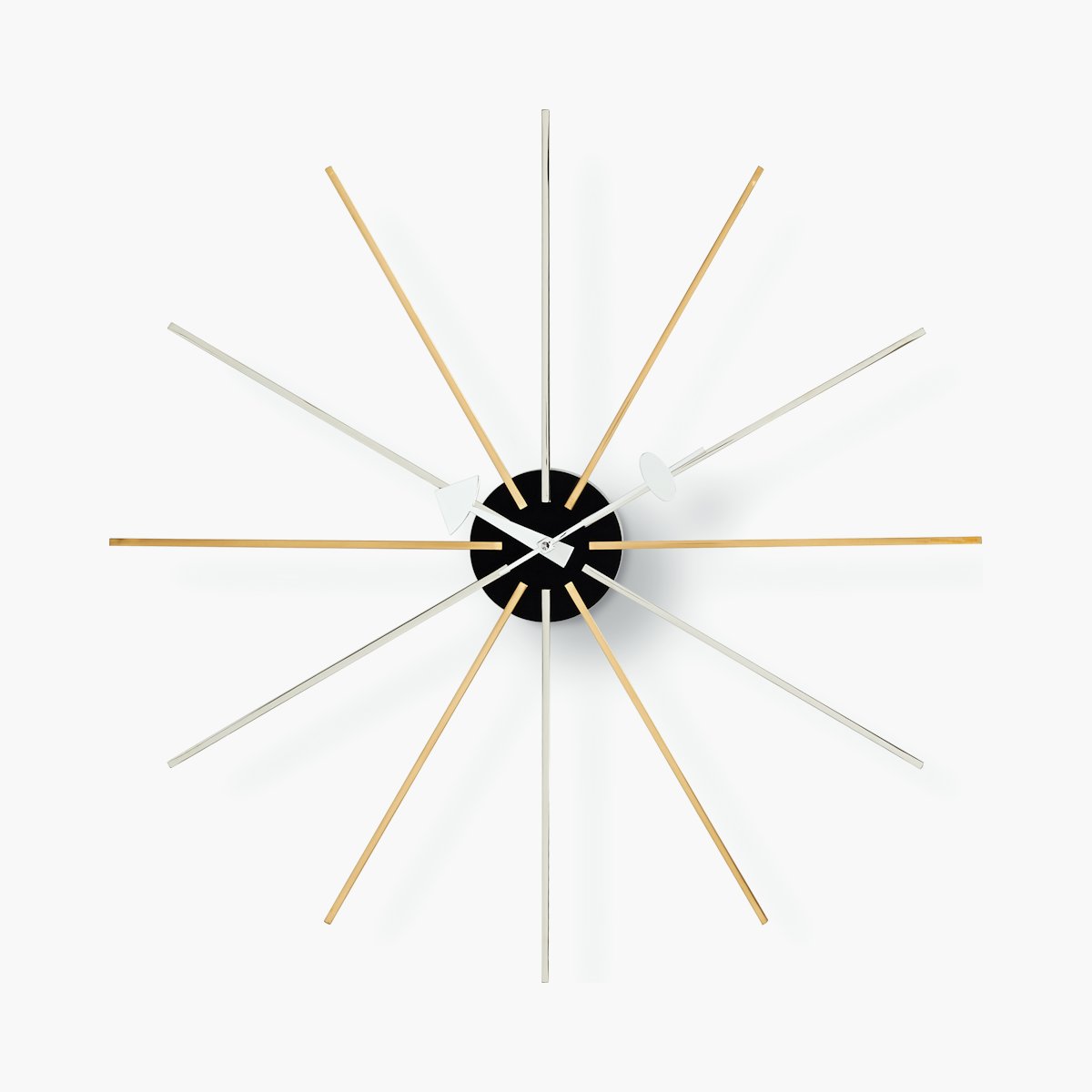


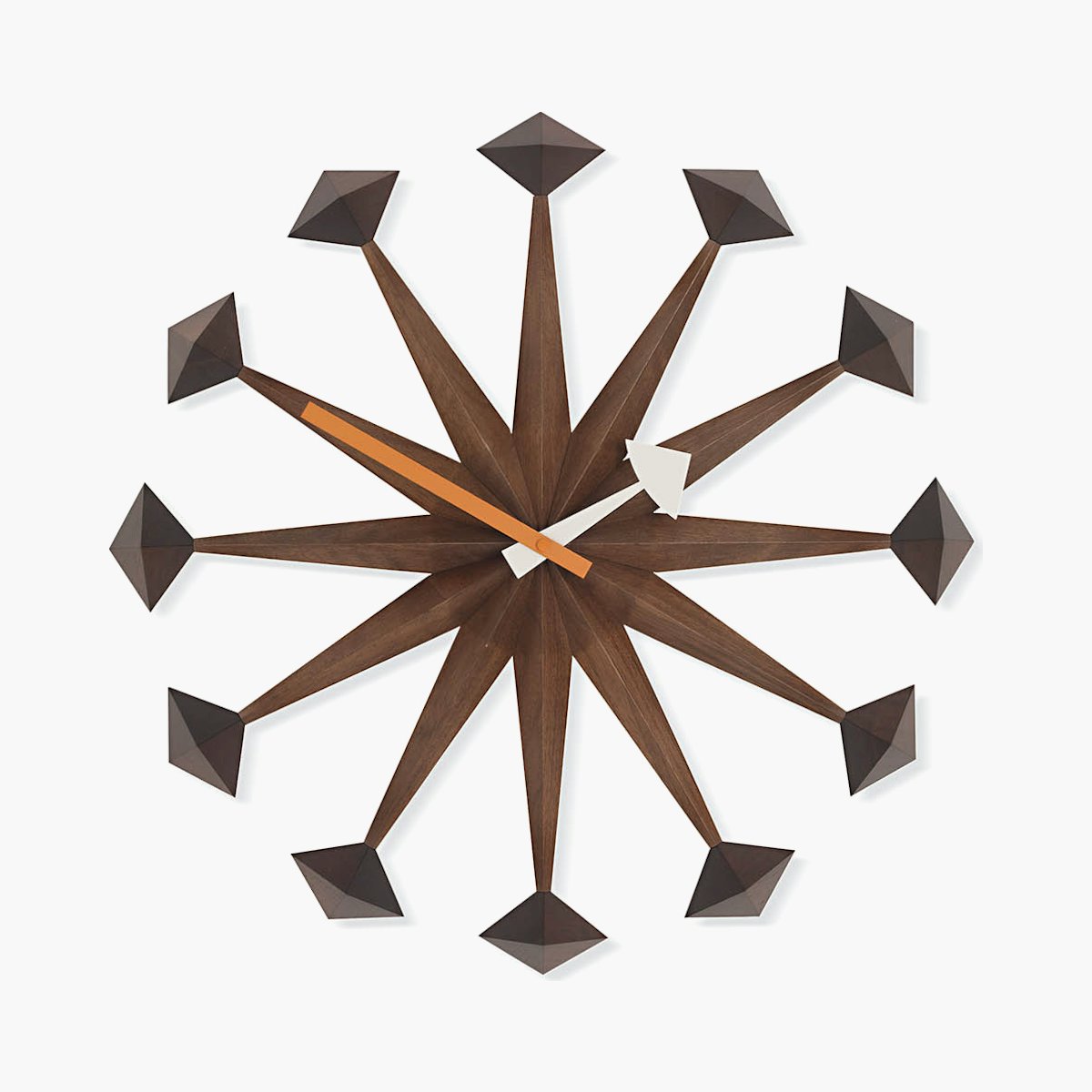


Original price: $600. Current price: $480 - 20% off
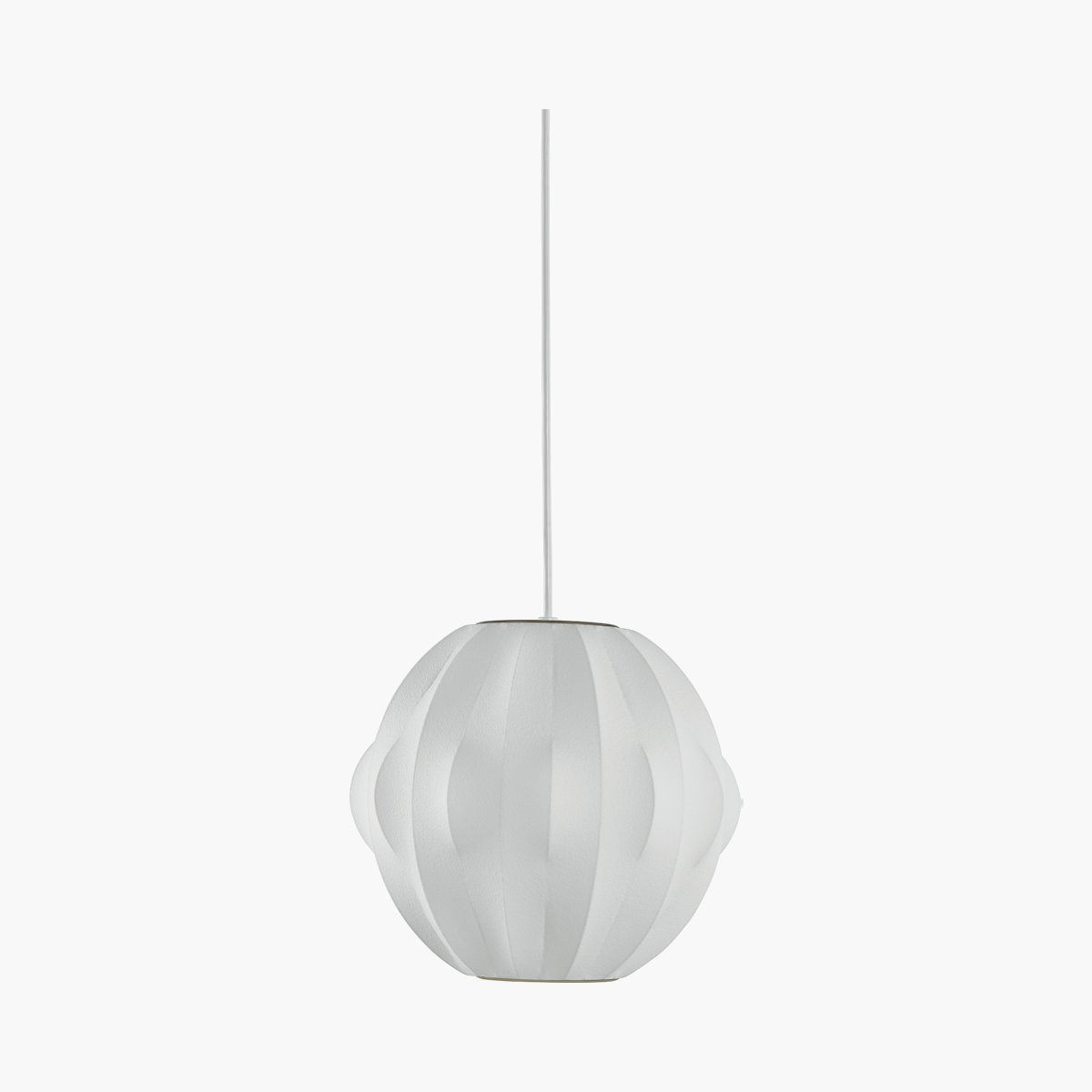

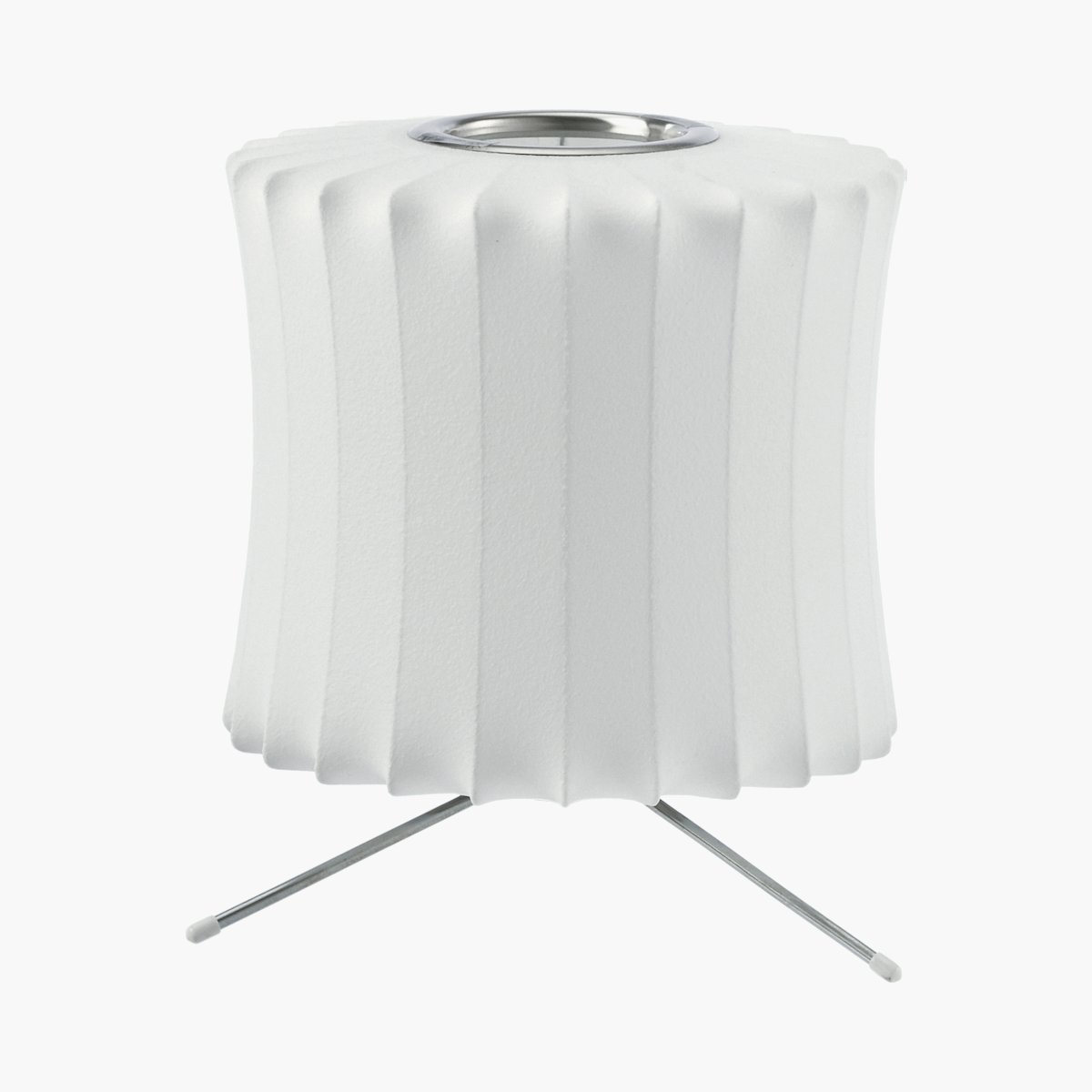

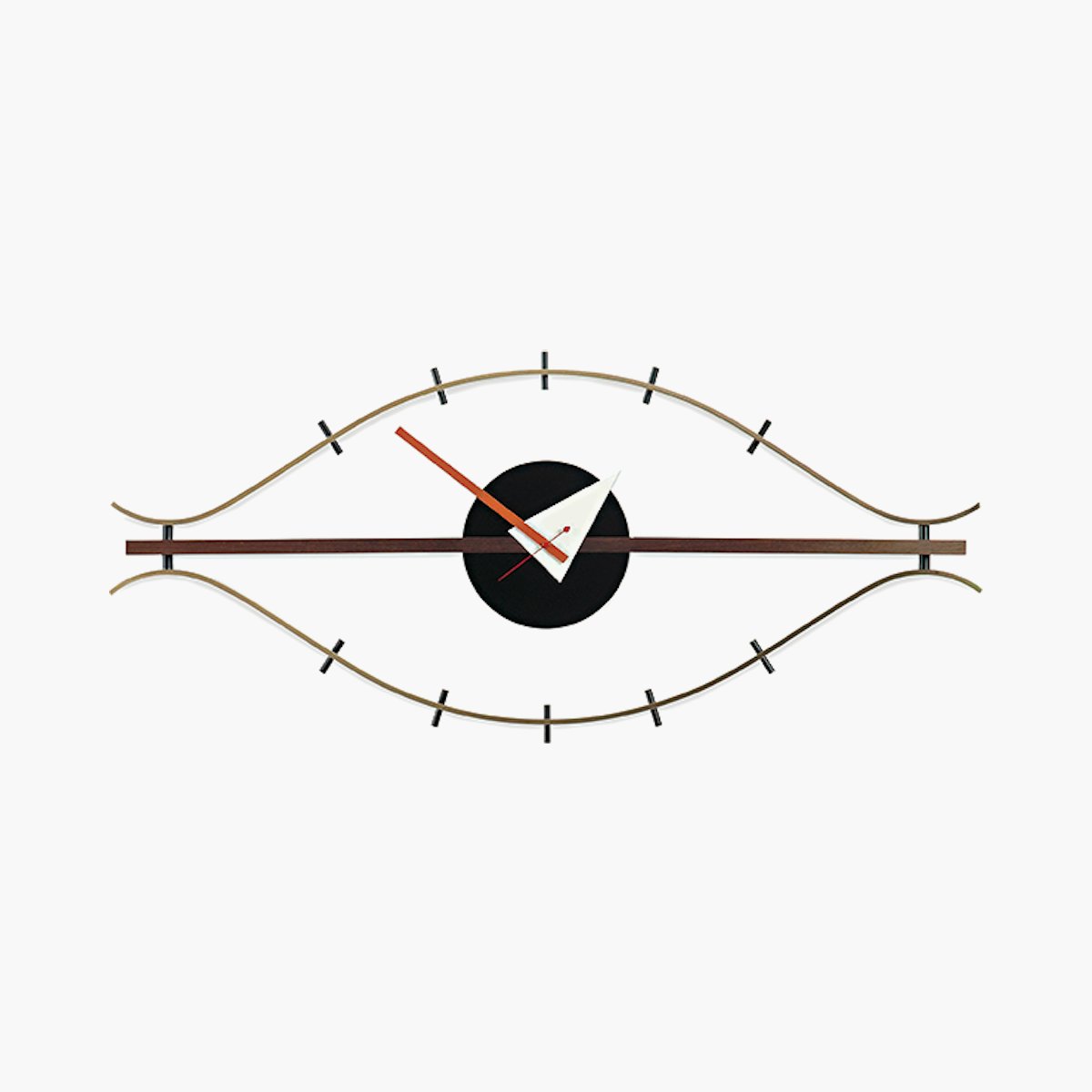



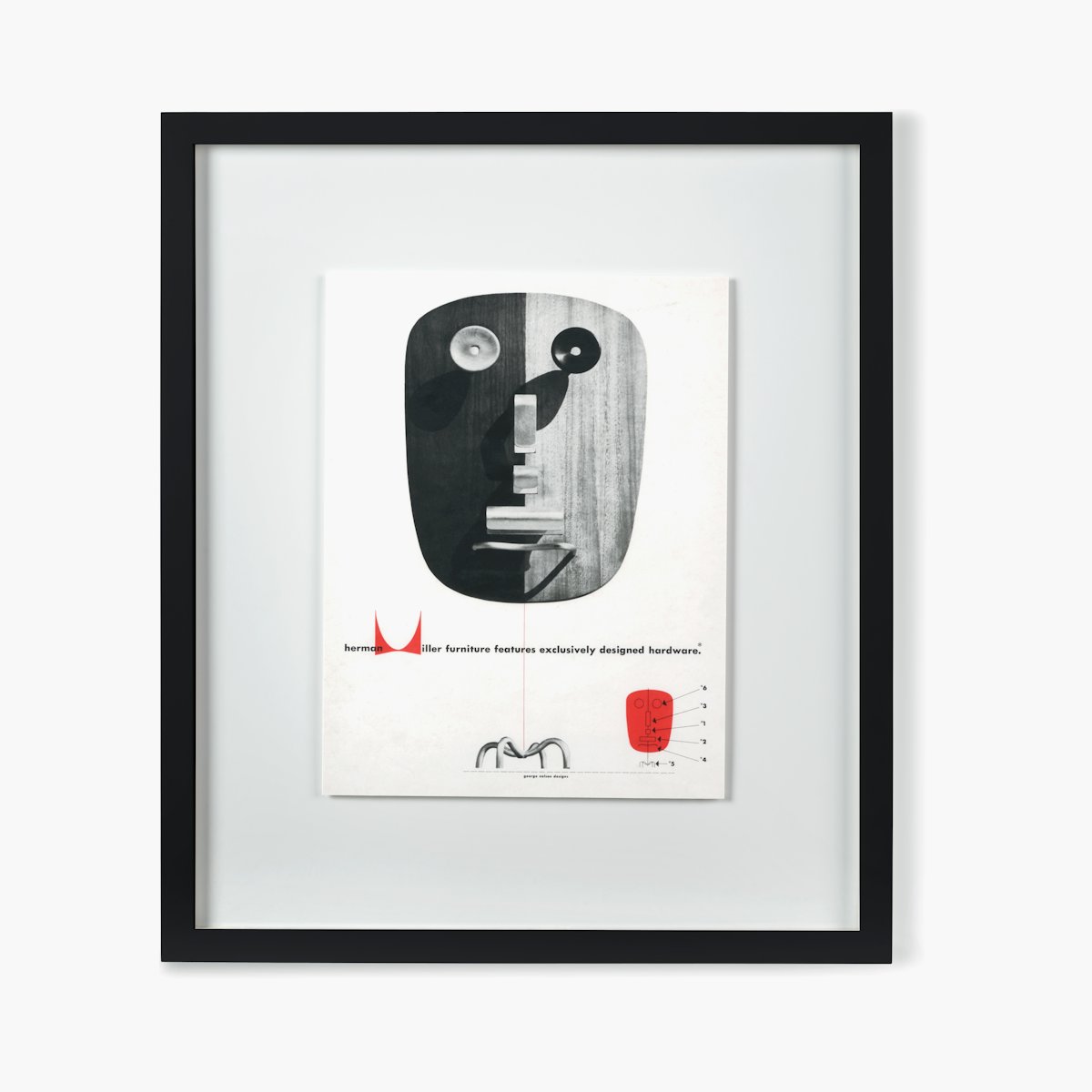

Original price: $525. Current price: $420 - 20% off
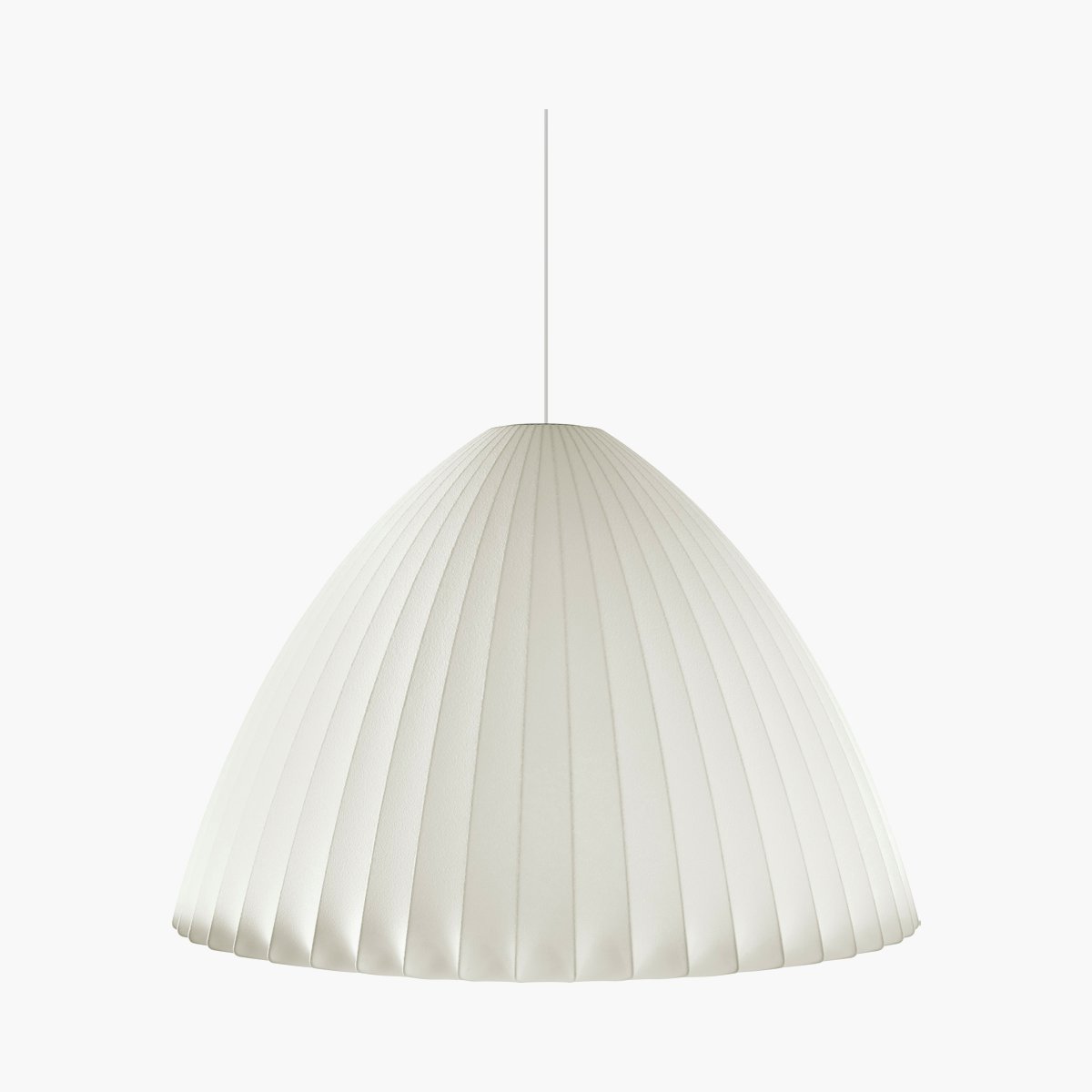

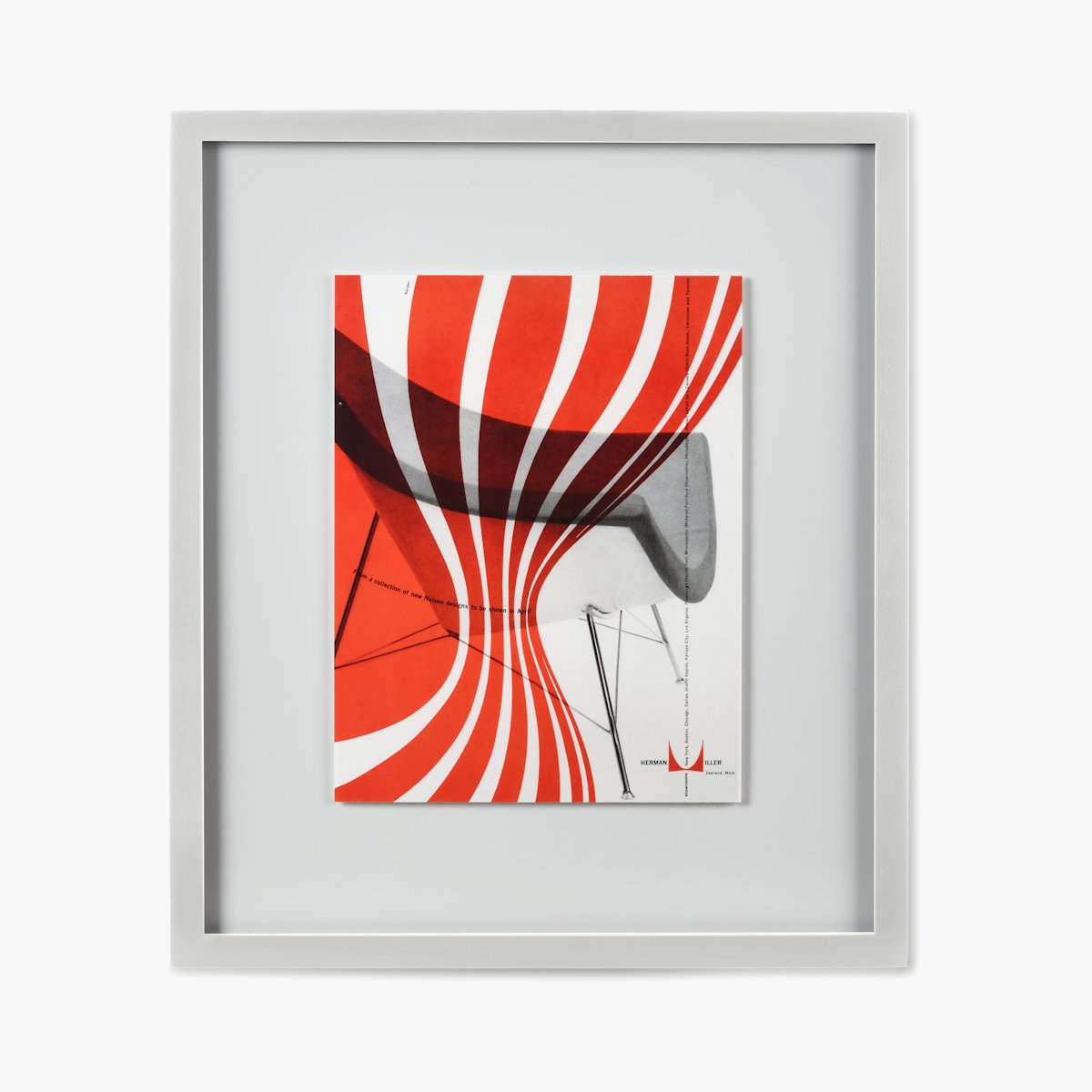
Original price: $525. Current price: $420 - 20% off
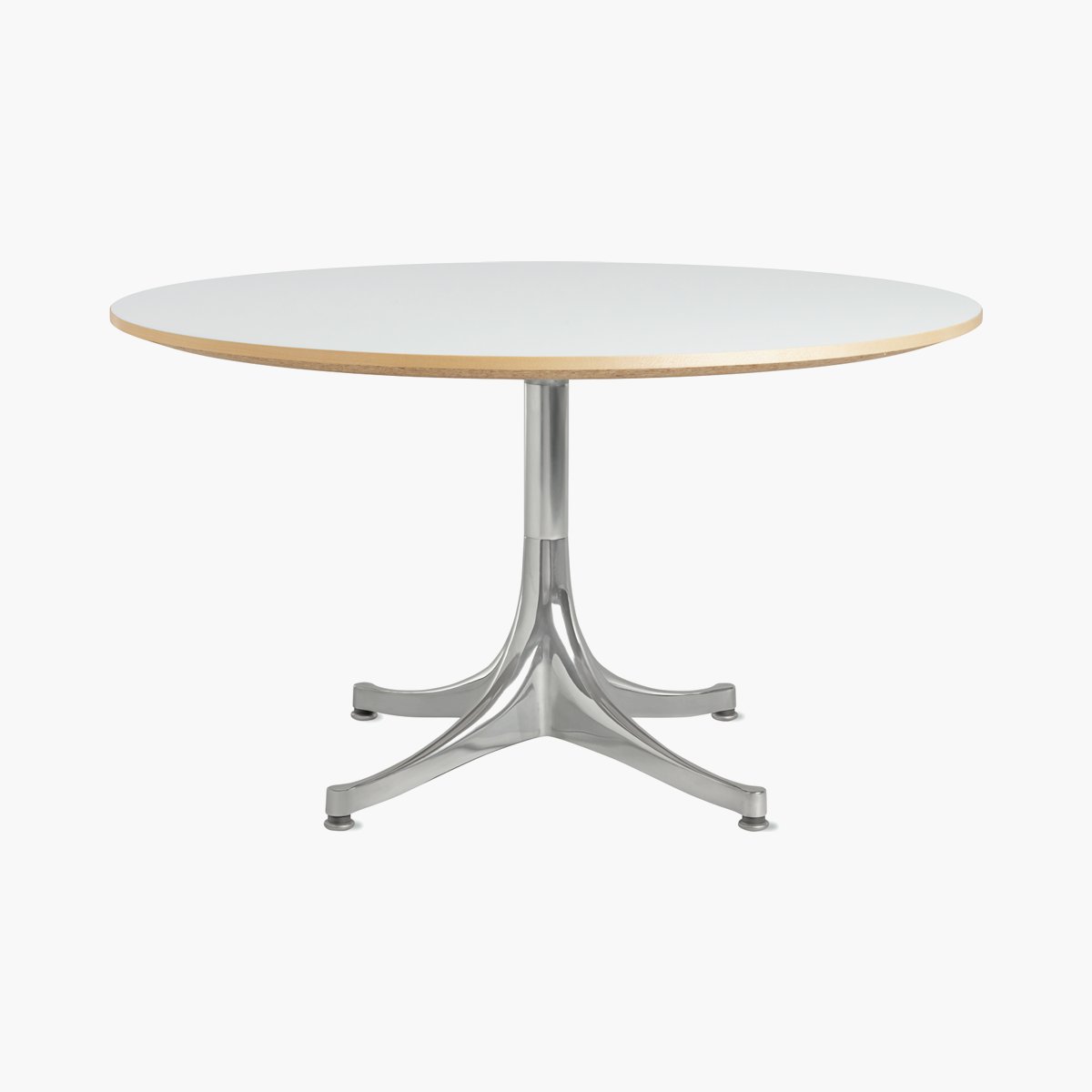






Original price:
$4,630 to $6,830. Current price: $4,184
to
$6,830 - up to 20% off
Original price: $250. Current price: $200 - 20% off
Original price: $525. Current price: $420 - 20% off