Nakashima Splay-Leg Coffee Table


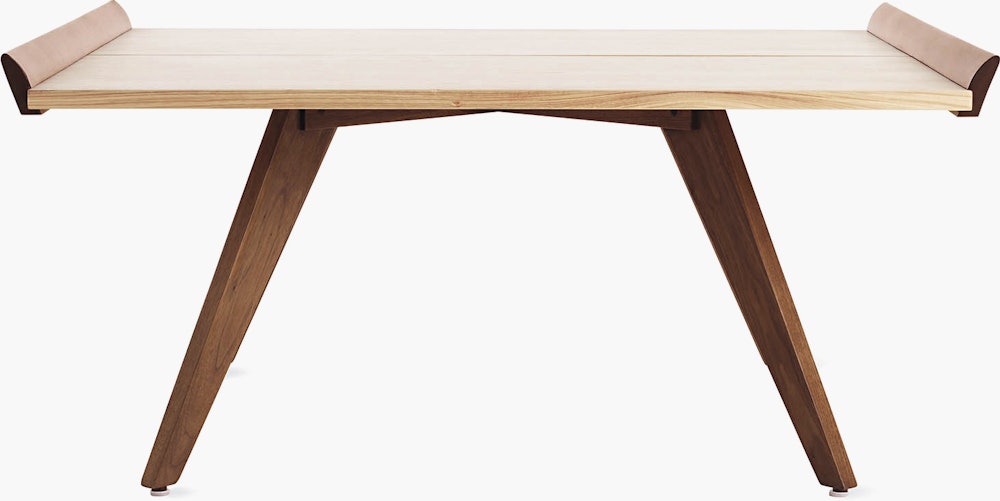
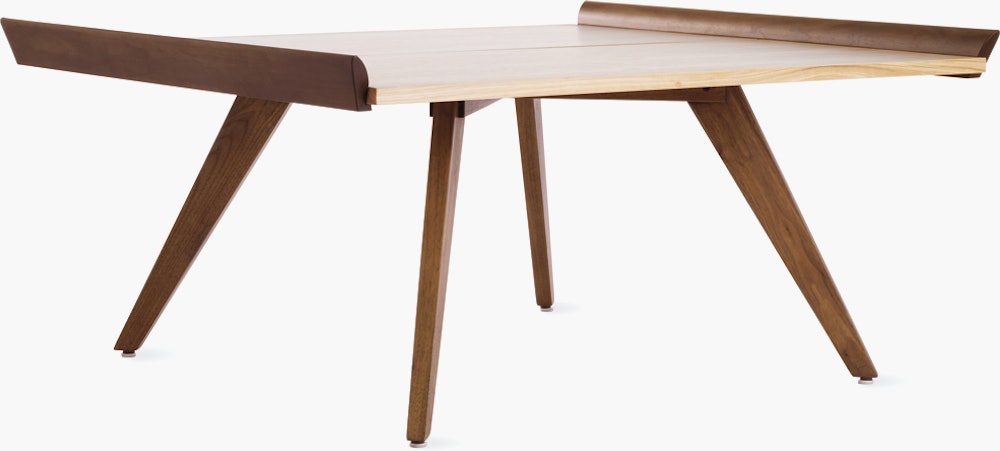
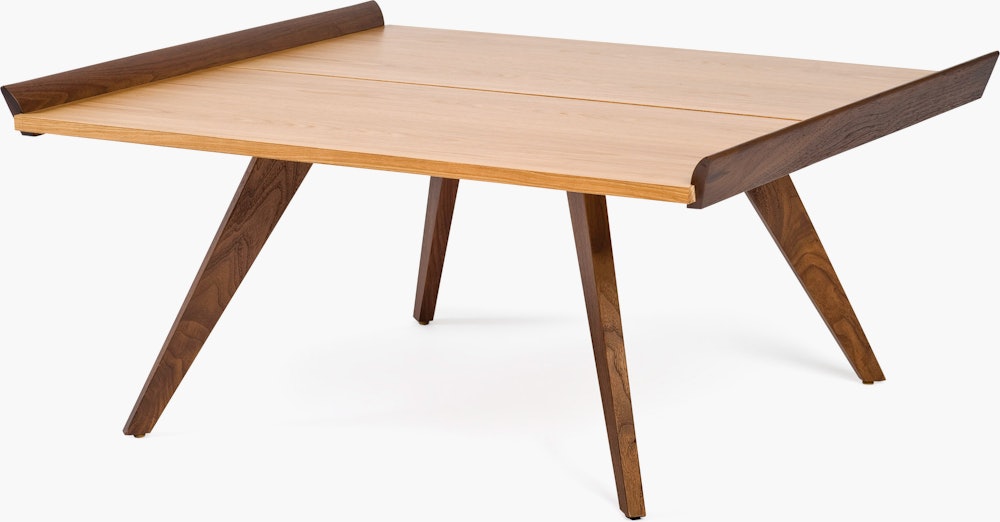
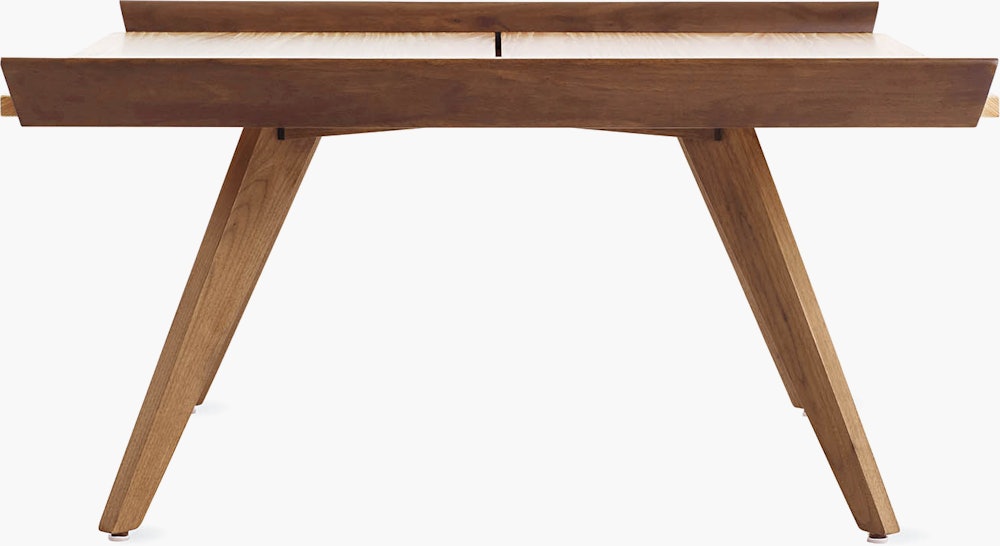


Nakashima Splay-Leg Coffee Table
Shipping + Delivery

Easy Returns
Not satisfied? Return items within 30 days. Learn More

Design Concierge
Need help designing your space? Learn more about our complimentary interior design services

Authenticity Guaranteed
This is an original, authenticated product.
Warranty
5-year warranty
Terms and conditions apply. Learn more

Nakashima Splay-Leg Coffee Table
Details
- Heirloom-quality, classic coffee table.
- Superb use of wood and joinery.
- By a legendary modern woodworking craftsman.
- Measure for a perfect fit with our delivery guide: https://www.dwr.com/furniture-delivery-guide.html
- Brand
- Knoll®
- Collection
- Nakashima Collection
- General Dimensions
-
- 17½" H 37¼" W 34¼" D
- Product Weight
- 44 lbs
- Assembly
- Comes fully assembled
- Warranty
-
5-year warranty
Terms and conditions apply. Learn more
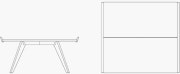
Nakashima Splay-Leg Coffee Table
- Height (in): 17½
- Width (in): 37¼
- Depth (in): 34¼
- Weight (lbs): 44
- Walnut or hickory veneer top
- Solid walnut legs
- Brass hardware
George Nakashima
Although George Nakashima held several degrees in architecture and employed himself as an architect for a period, he still took time to apprentice in Japanese carpentry during an extended stay overseas. Nakashima would eventually form a studio in Pennsylvania that allowed him to craft furniture from pieces of wood that celebrated their natural imperfections: knots, gnarls, cracks.
More on George Nakashima